Join as an NTBG Member Today!
Support NTBG by joining, renewing or giving the gift of membership today!
Membership options and renewal
.svg)
Robert Allerton, a philanthropist and heir of First National Bank of Chicago co-founder Samuel Allerton, met John Gregg, an architecture student at the University of Illinois, in 1922. Despite a 27-year age difference, they formed an immediate and enduring bond. For the next four decades, they were inseparable collaborators. Robert provided the visionary eye and the means to create fantastical garden designs while John provided the architectural expertise to turn those visions into reality.
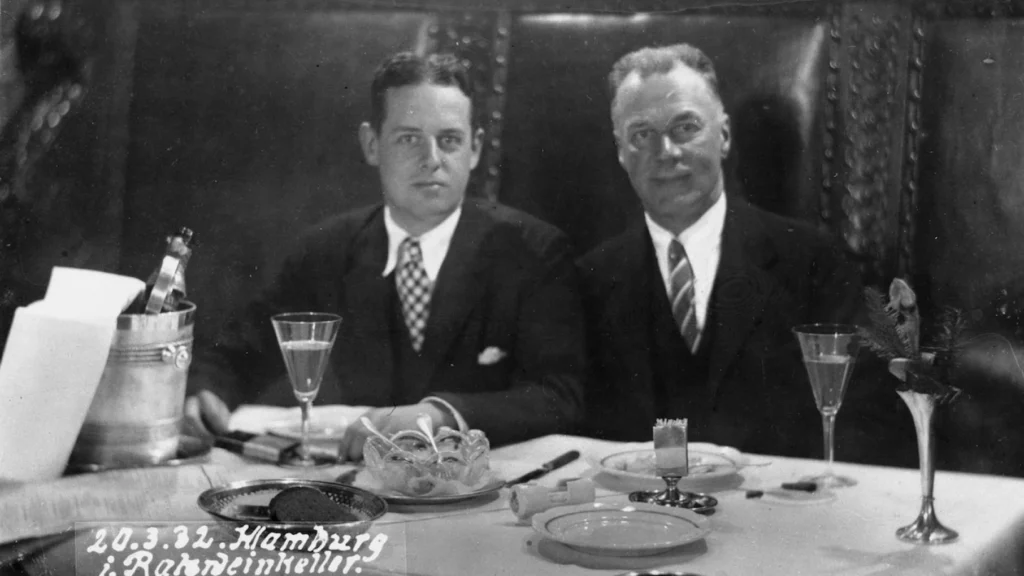
“We got together and lived happily ever after.” John Gregg Allerton
In 1960, the couple navigated the legal restrictions of their era by formalizing their bond through adoption—at the time, one of the only legal avenues available to same-sex couples to secure their estate and ensure their life’s work would remain together. While public records of the time used “father and son” terminology, they were partners who shared a life together.
In 1938, the couple visited Kauaʻi during a trip across the Pacific. Upon seeing the historic Lāwaʻi Valley—once a retreat for Queen Emma—they saw the potential to create a private sanctuary. They purchased the property shortly thereafter and began a lifelong project of transforming the valley into a series of magnificent “garden rooms.” They used their global travels as inspiration, blending European formal styles with the lush beauty of Hawaiʻi.
In 1964, Robert Allerton became a founding trustee of the National Tropical Botanical Garden (NTBG), providing a pivotal $1 million gift. Robert and John structured their estate to be held in trust, ensuring the valley would be preserved and managed by NTBG as steward. This arrangement transitioned the property from a private residence into a site dedicated to long-term botanical conservation and public education. Today, we recognize their legacy: a couple whose shared creativity cultivated a living masterpiece.
You can learn more about the Allerton’s story through the Lei Pua ʻAla Project.