.svg)
Plant Health by Diane Ragone
Dr. Diane Ragone, NTBG’s Breadfruit Institute Director
The United Nations has declared 2020 as the International Year of Plant Health. In recognition of this timely and timeless theme, and with the understanding that the health that all life on this planet is dependent on plant health, Diane Ragone discusses how NTBG contributes to protecting and advancing plant health.
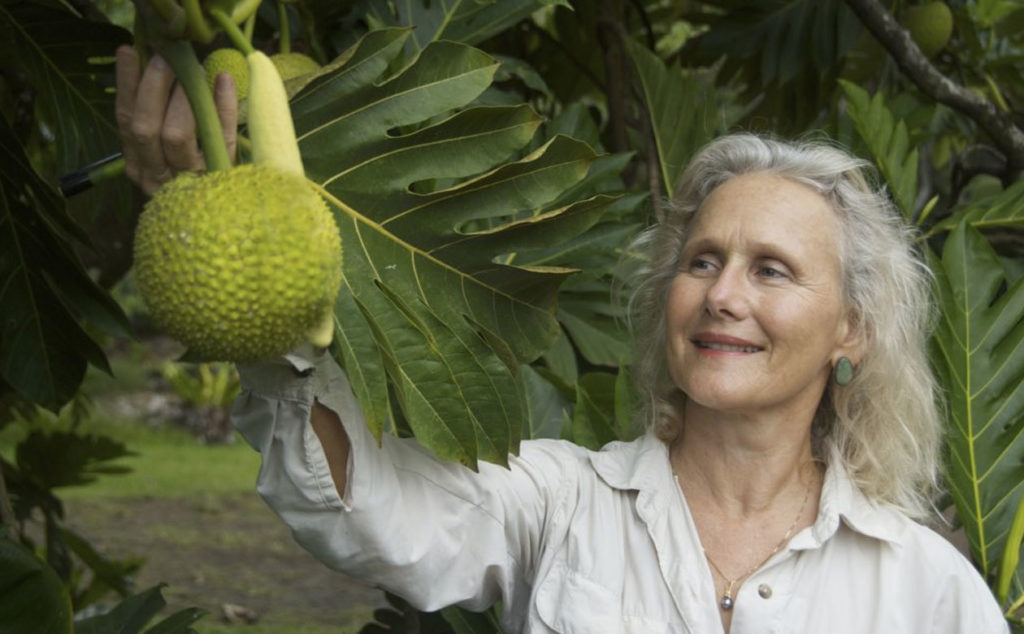
Breadfruit is a valuable source of delicious food providing many nutrients essential for human health. This long-lived tree contributes to the health and well-being of humans and the environment in countless ways. The majestic tree, with its large, glossy leaves and globular fruit, is both beautiful and calming. For many, it evokes fond childhood memories of home gardens and yards that contained but a single tree. There the families gathered in its shade, sharing meals made of this versatile fruit.
Gardens and farms planted with breadfruit benefit from lush canopies providing shade to other plantings and the ground below while producing abundant leaf litter that builds soil health and fertility. On hillsides, breadfruit trees develop dense, tangled roots that support them on slopes. Their dense canopy provides a buffer against heavy tropical downpours and, with the interlocking roots, reduces runoff and erosion while creating pockets of nutrient-rich soil where other plants thrive.
The work of NTBG’s Breadfruit Institute is the embodiment of “Protecting Plants, Protecting Lives,” the theme of the International Year of Plant Health 2020. Central to our work is the preservation of 150 varieties of breadfruit from 34 Pacific Islands, the Philippines, Indonesia, and Honduras. These trees are grown in field gene banks at Kahanu Garden on Maui and McBryde Garden on Kaua‘i. Many of the varieties we have collected were grown for centuries in their home islands, but changing lifestyles and climate change have led to dramatic declines and, in some cases, a complete disappearance.
Years of research in our conservation collection have allowed us to better understand breadfruit diversity and key characteristics such as seasonal productivity and nutritional attributes. This research informs our ongoing initiatives and international collaborations to promote the planting of high-quality breadfruit varieties around the world. Our goal is to advance greater food security, regenerative agriculture and agroforestry, and to create a source of income and financial stability that will cultivate healthy, resilient communities and environments.”
Global Strategy for Plant Conservation progress review
Nina Rønsted, Ph.D., Director of Science and Conservation
A new report on the Global Strategy for Plant Conservation (GSPC), suggests that while the 16 targets of the ambitious plan to protect global plants are unlikely to be met by 2020 as planned, countries have made considerable progress towards achieving many of them.
Plant Conservation Report 2020: www.cbd.int/gbo5/plant-conservation-report-2020

The Global Strategy for Plant Conservation (GSPC) was originally adopted by the Conference of the Parties to the Convention on Biological Diversity at its sixth meeting (COP-6) in 2002 in recognition of the critical importance of plants as the basis of all life on earth.
The Strategy’s 16 targets, organized around five objectives were the first targets for biodiversity conservation to be adopted at the global level by the international community. Through the strategy, the plant conservation community has been able to engage with and contribute to the development of the post-2020 Global Biodiversity Framework, to be agreed in 2021 in China.
The five objectives to achieve the strategy aim to ensure that (I) Plant diversity is well understood, documented and recognized, (II) Plant diversity is urgently and effectively conserved, (III) Plant diversity is used in a sustainable and equitable manner, (IV) Education and awareness about plant diversity, its role in sustainable livelihoods and importance to all life on earth is promoted, and (V) The capacities and public engagement necessary to implement the Strategy have been developed.
Successful achievements include establishment of a World Flora Online providing baseline information of the worlds 350,000 currently known species of vascular plants and mosses (Target 1 – online flora of all known plants). Significant progress has also been made through The Global Tree Assessment, which aims to have completed IUCN Red List assessments for all the world’s 60,000 tree species by 2020 (Target 2 – assessment of the conservation status of all known plant species).
Progress towards the 16 targets has been variable. Most countries report some progress towards most of the targets. Apart from Targets 1 and 2, Target 14 (public awareness of plant diversity) is the most likely target to be achieved at the national level, with Targets 7 (in situ conservation), 10 (invasive species) and 12 (sustainable use), being those where least progress has been made.
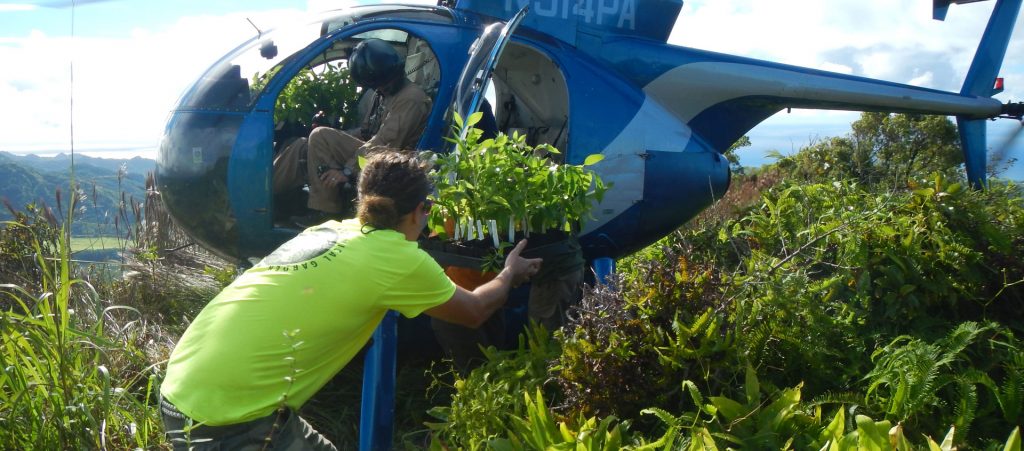
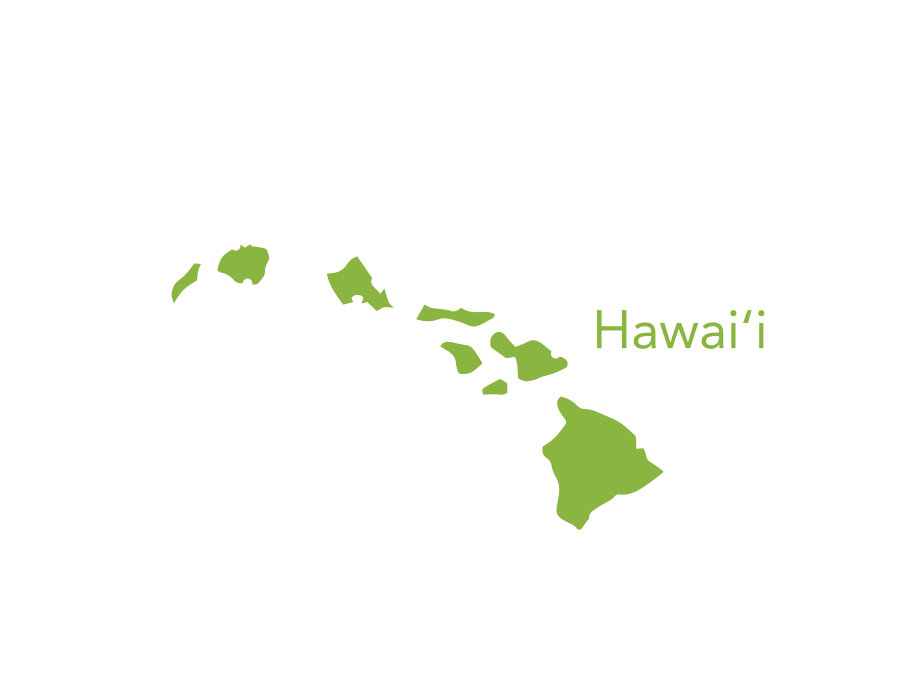
In Hawaii, conservation partners have developed the Hawaii Strategy for Plant Conservation in 2014 and established the Hawaii Plant Conservation Network, Laukahi, to more efficiently target the global strategy and specifically address the unique conservation challenges of native plants in this global plant diversity hotspot.
The mission of NTBG is well aligned with the Global Strategy for Plant Conservation (GSPC). We work with our many partners every day to increase knowledge, appreciation, conservation, and sustainable use of tropical plants. NTBG is proud to make significant contributions to several of the GSPC targets:
- NTBG and the Smithsonian help take Target 1 – online flora of all plants – from checklists to published regional Floras of Hawaii, Cook Islands, Marquesas, Samoa, and Micronesia.
- NTBG contributes to Target 2 through IUCN Red List Assessments of native Hawaiian plants including completion of assessments for over 250 endemic native plants of Kauai by 2020.
- NTBG helps to protect important areas of plant diversity and unique ecological regions towards Targets 5 and 6 through sustainable management of our preserves.
- NTBG helps address Target 7 and 8 through extensive seed banking and living conservation collections of plants in our gardens to outplanting rare plant species in our preserves on Kauai, Hawaii.
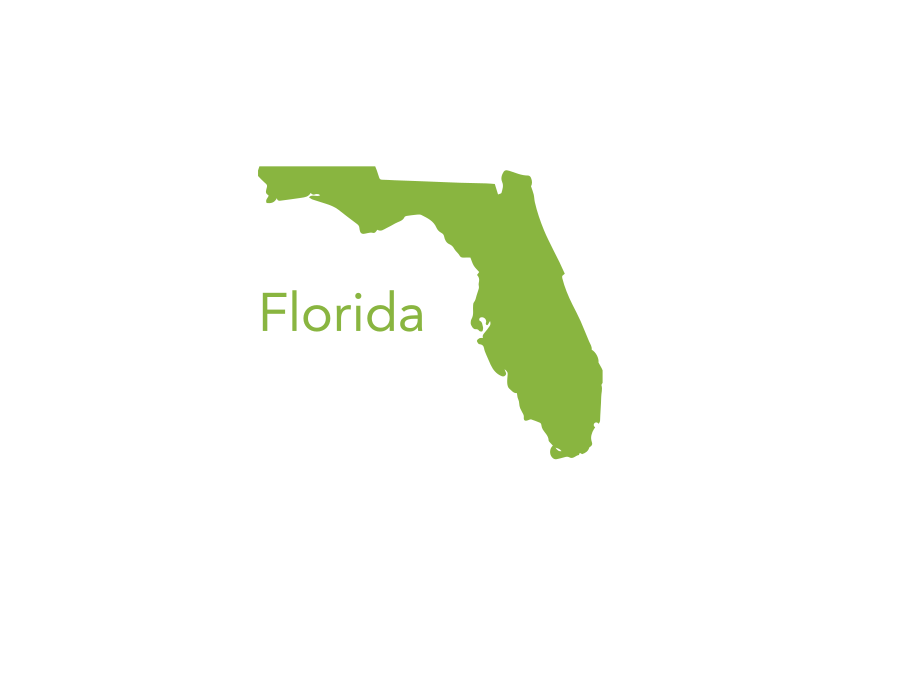
- NTBG helps address Target 9 through our living collections of Polynesian crop varieties of breadfruit, banana, & taro in our McBryde, Limahuli, and Kahanu gardens in Hawaii, and Fairchild’s global fruit tree collections at The Kampong in Florida.
- NTBG helps to protect indigenous and local knowledge of plant resources towards Target 13 through research and biocultural management of our Limahuli and Kahanu Gardens in Hawaii.
- NTBG contributes to raising education and awareness towards Target 14 through our education and communication programs.
- NTBG helps to develop capacity towards Target 15 through education of the next generation of tropical botanists including through the International Center for Tropical Botany at The Kampong, Florida.
Hawaiian Wiliwili trees flower for the first time at Kahanu Garden
Nearly 15 years ago, an invasive gall wasp (Quadrastichus erythrinae) from Africa hitchhiked to Hawaii and spread like wildfire, nearly eliminating Hawaii’s native Wiliwili (Erythrina sandwicensis) forests in just a few years. Thankfully, a specific parasitoid wasp released by the Hawaii Department of Agriculture in 2008 has helped mitigate the damage of the invasive gall wasp, and statewide Wiliwili conservation efforts are beginning to show promising results.
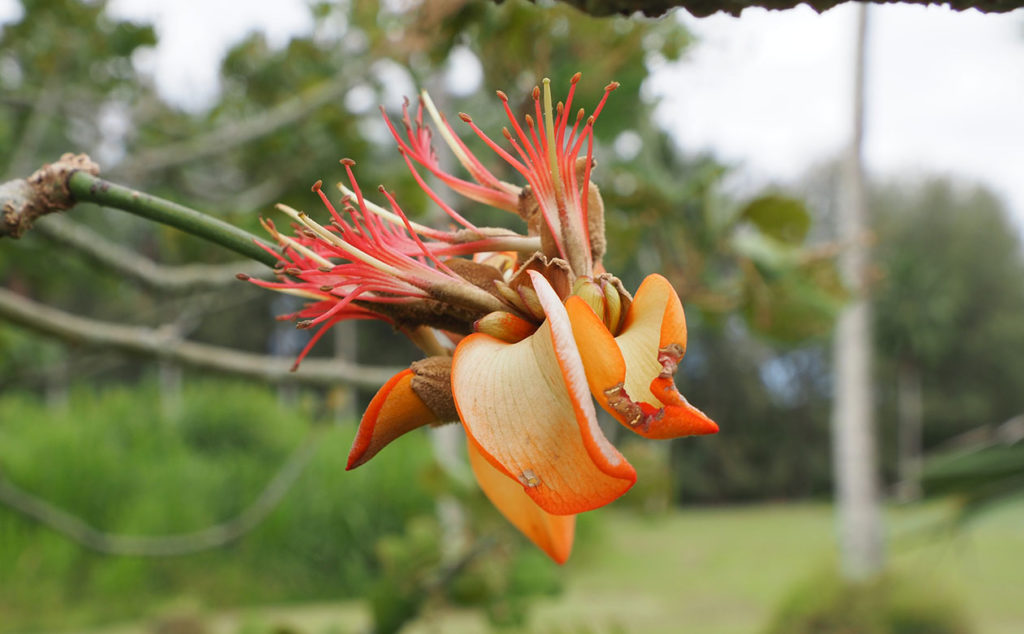
Saving Seeds
During the height of the gall wasp outbreak, NTBG Staff and conservation partners collected Erythrina sandwicensis seeds but were unsure if the trees would ever thrive again. This year, some of the seeds planted after the biocontrol have begun to show promising results, and many are thriving at NTBG gardens in Hawaii.
A 10-year-old tree at Kahanu Garden is showing its first flowers after years of careful nurturing from the garden’s horticultural staff. This beautiful example serves as a shining light that NTBG’s hardworking staff and conservation partners can turn the tide from the threats of extinction.
Key species in Hawaii
Hawaiian wiliwili trees are key plant species in dryland forests across the archipelago. The wood was famous across the Hawaiian islands for making crafts such as papa hee nalu (surfboards), ama (canoe floats), and much more. The vibrant red-orange seeds were strung into lei.
NTBG plans publication of Flora of Samoa in 2021
Regional Floras are fundamental for understanding and conserving plants and ecosystems worldwide. With the second of two volumes of the Flora of the Marquesas by Lorence and Wagner currently in print, NTBG now continues work to complete the Flora of Samoa.
Hawaiian Botanist W. Arthur Whistler (1944-2020) worked with the people and on the Flora of Samoa for nearly 50 years. A longtime collaborator and friend of NTBG since the early 1970s, Art served as the Garden’s first ethnobotanist and was also an affiliate botanist at the University of Hawaii. His collections of 4,900 flowering plant specimens are stored at the NTBG herbarium and form the backbone of the coming publication written by Whistler, Lorence, and Wagner in 2021. The Flora will include 541 native plants, 34% only found in Samoa and description of 21 new species.
Creating opportunity out of crisis NTBG team inventory lower Limahuli Preserve
For decades NTBG has worked to restore 1000 acres of native plant habitat in the Upper and Lower Limahuli Preserves. Controlling invasive species such as pigs, rats and weeds, has allowed many rare and endangered endemic Hawaiian plants to thrive.
Due to COVID-19 travel restrictions, 2020 has given NTBG the opportunity to make a detailed inventory of the 600 acre Lower Limahuli Preserve. A team of 15 staff from Limahuli Garden & Preserve, Living Collections, and Science and Conservation, led the first day of the inventory campaign on September 22, 2020. It was incredible and rewarding to see hundreds of outplanted rare plants like a 2-year old Pittosporum napaliense thriving in its new home.

Pittosporum napaliense 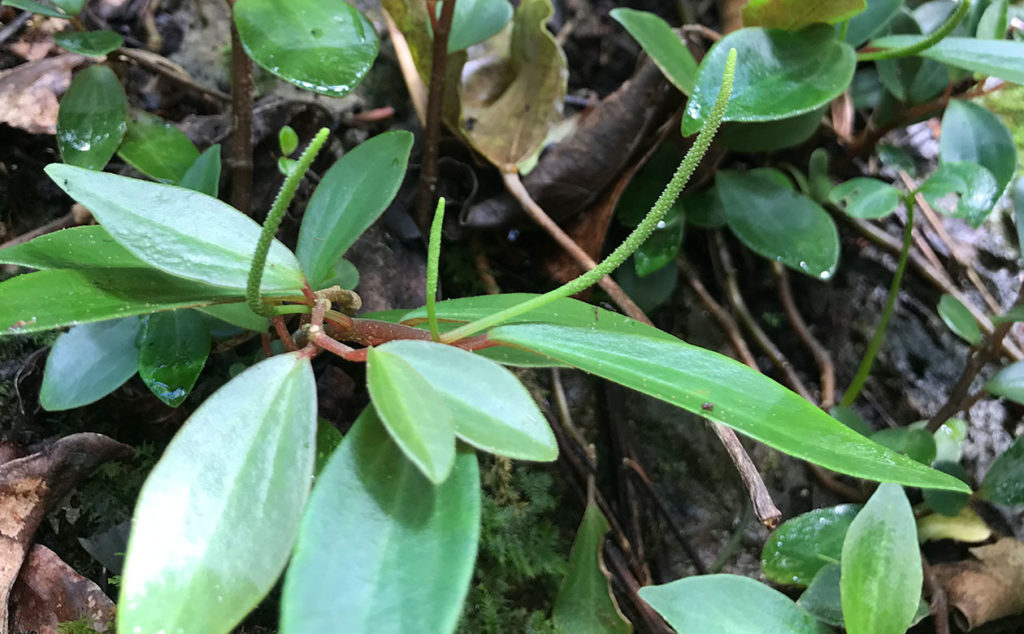
Peperomia sandwicensis 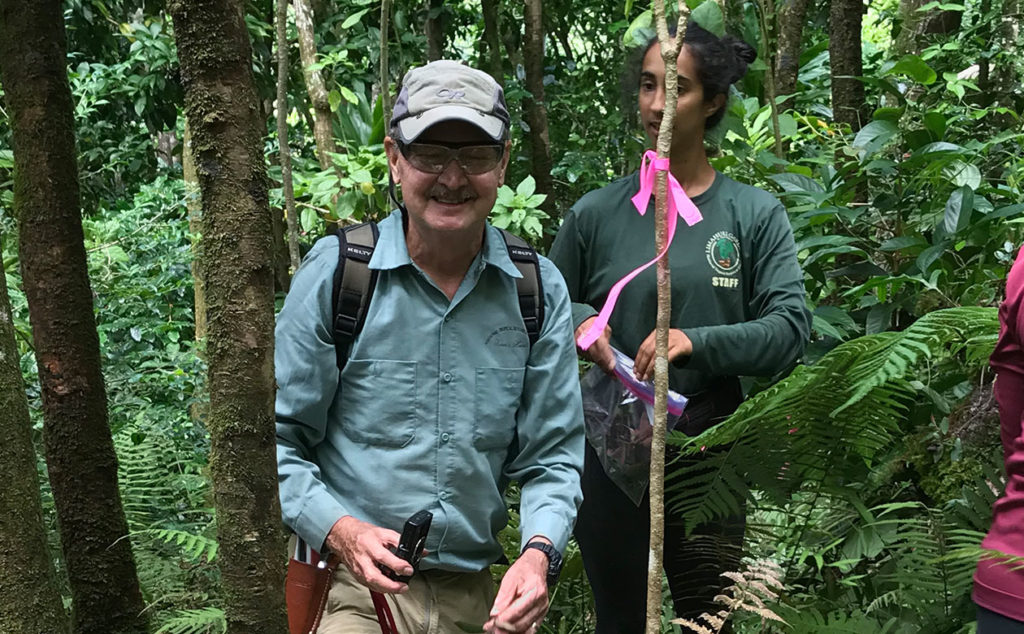
NTBG staff
As a bonus, the team was able to bring back a good collection of Peperomia sandwicensis for propagation in the nursery. The next planned inventory day will be in October.
New hope for recently rediscovered Melicope nealae
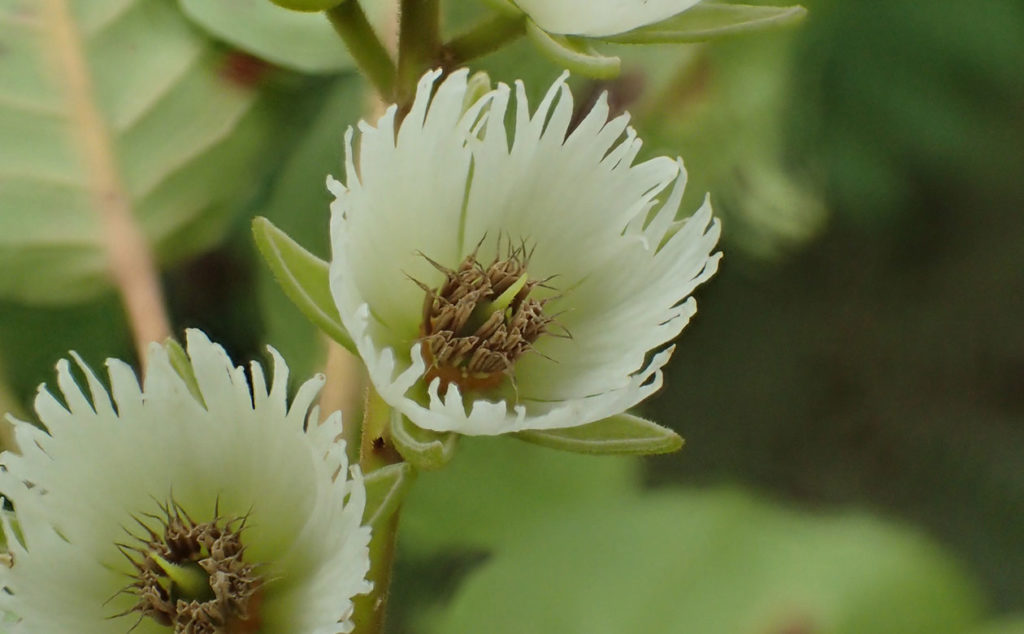
Melicope nealae (Rutaceae or orange family) was considered possibly extinct and was only known from two previous observations on the floristically diverse island of Kauai, Hawaiian Islands. This extremely rare tree species was originally discovered in 1909 around Kauai’s Kaholuamanu region, and observed on a second occasion 60 years ago in the Kauai mesic forests of Kumuwela. It is with renewed hope for the survival of Melicope nealae that the NTBG Science staff reports the recent rediscovery of one lone tree in the Kokee forests of Kahuamaa, Kauai.
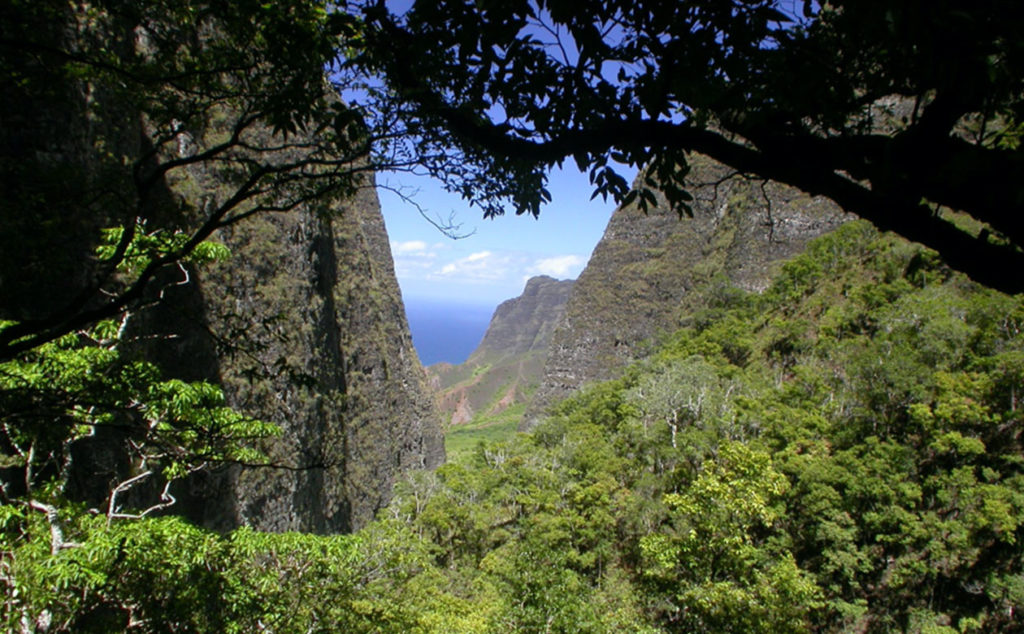
Supporting Rediscovery
Over the past few decades, the NTBG Science Department has facilitated the rediscovery of four other species of Melicope with funding assistance from federal, state, and private sources. With this support, we have been successful in making conservation collections to perpetuate their unique evolutionary history and reintroduce them into restoration sites. In partnership with others, NTBG has also discovered and taxonomically described four additional species new to science from the Hawaiian Islands and French Polynesia.
Species of Melicope range from Malagasy and Indo-Himalayan regions, through Southeast Asia, Australasia, and across the Pacific Islands. The Hawaiian Islands is one of the centers of diversity for Melicope with 54 species. NTBG has teamed up with researches from the University of Gottingen, Germany, and the Smithsonian Institution to study the phylogeny and biogeography of Melicope, in addition to a recently submitted paper with researchers from the Heinrich-Heine-University, Duesseldorf, Germany, looking at molecular compounds in the leaves of the Kauai endemic Melicope barbigera. Culturally, species of Melicope are significant to the Hawaiians who gave them numerous names, including: alani kuahiwi, kukaemoa, piloula, and mokihana. In fact, the traditional lei (garland) of Kauai, mokihana, is a species of Melicope prized for its intriguing anise-like fragrance and beauty.
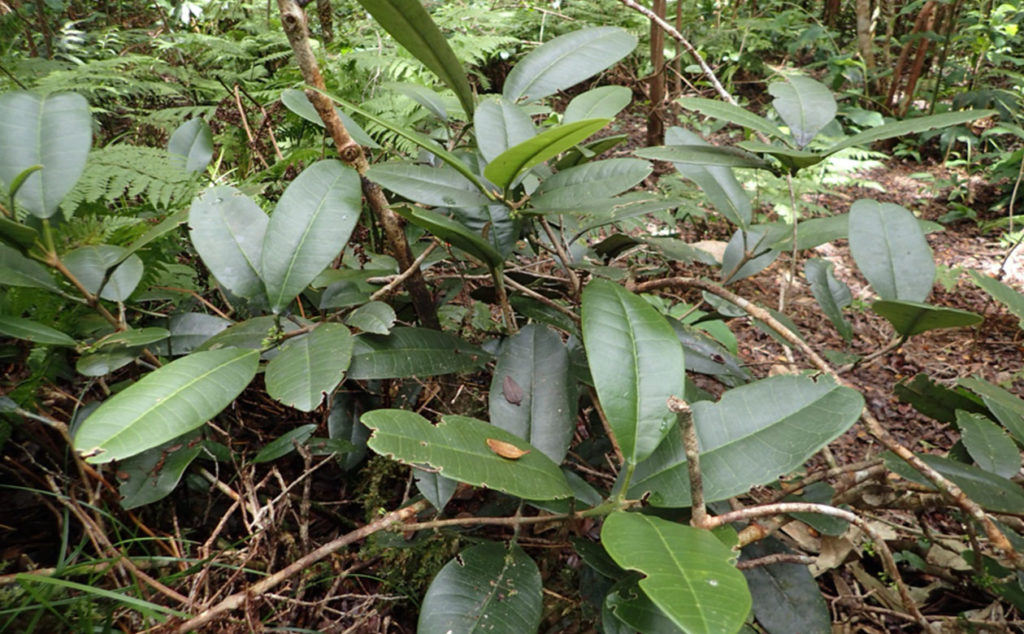
Propagating Melicope nealae
Last week, NTBG Science staff partnered with the Hawaii State Plant Extinction Prevention Program (PEPP) to facilitate an air-layer on one of the branches of the newly rediscovered Melicope nealae. Many of Kauai’s rarest trees have been successfully propagated and cultivated by this technique. We are grateful for the ongoing support from many of you to continue this research during such difficult environmental times and to be given the opportunity to bring back this species from the brink of extinction.
Image texts, photos: Ken Wood
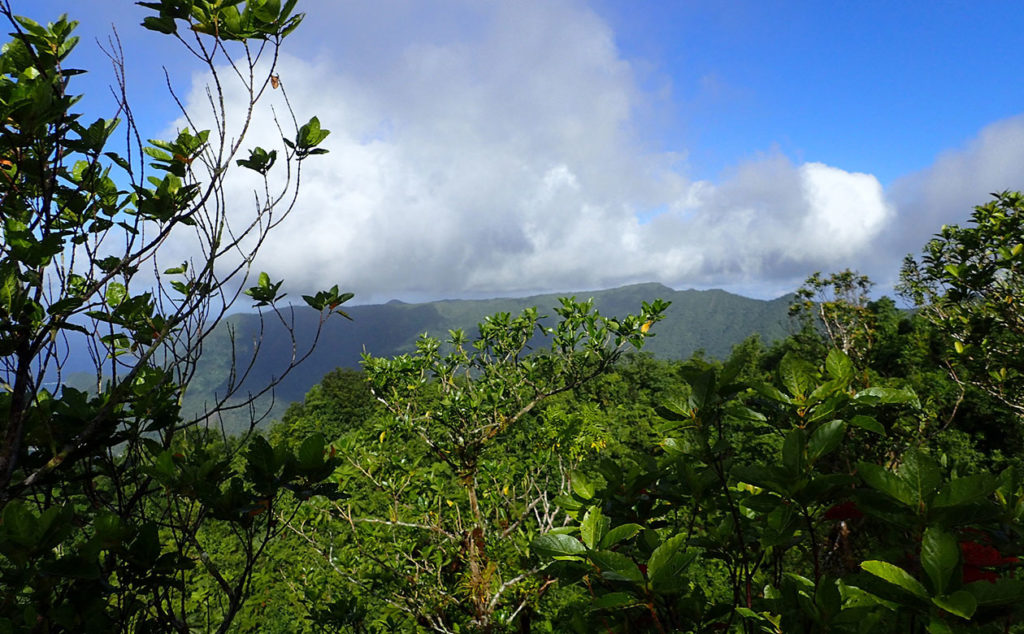
Mesic forest habitat, northwest Kauai, Hawaiian Islands.
Melicope nealae, recently rediscovered on Kauai, Hawaiian Islands.
Going Native in South Florida
By Craig Morell, Kampong Director
NTBG’s garden in Florida, The Kampong, is home to over a century’s worth of horticultural history and exotic plant collections. What began as a pioneer doctor’s farm in 1885, was transformed by botanist and plant explorer Dr. David Fairchild after he and his wife purchased the narrow strip of land fronting Biscayne Bay in south Miami in 1916. Over the nearly four decades Fairchild lived at The Kampong, he planted the property with many of the fruit trees, medicinal plants, and tropical ornamentals that he so famously collected from around the world during his tenure as the U.S. Department of Agriculture’s chief plant collector.
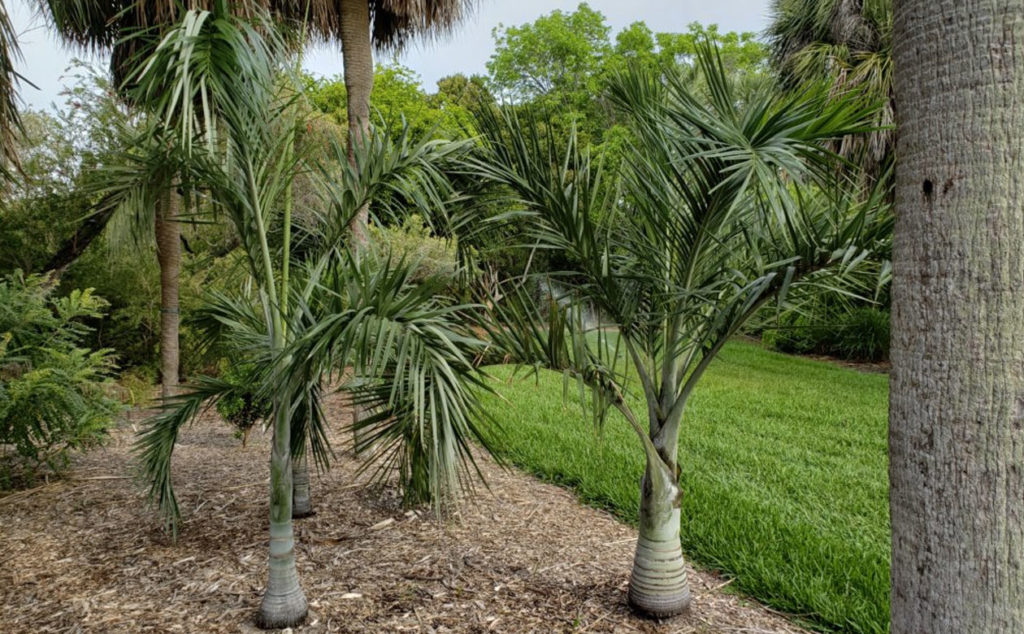
Today, many of Fairchild’s collections survive and have been augmented by hundreds of other plants introduced by successive directors and curators. With over a thousand species and varieties, The Kampong is Miami’s garden oasis, a museum of exotic flora in the heart of Coconut Grove.
Horticultural Heritage
Much of our focus at The Kampong is caring for David Fairchild’s heritage collections and preserving his horticultural legacy. Less well known, however, are our efforts to grow plants native to Florida, some of which are endangered. In doing so, we fulfill a dual role: conservation of native flora and public education.
Confined to a long, narrow eight-acre site already filled with mature plantings, limits what we can do, but we have chosen around ten species of endangered native Florida species to demonstrate the importance of local conservation. Our primary goal is to cultivate endangered species in a way that will inspire Kampong visitors and members of the community to practice plant conservation at home.
With the right education and resources, conservation can be done on a small scale in a botanical garden as well as in your own backyard. Our native conservation efforts began by working with the Institute for Regional Conservation, a local group of botanists, ecologists, and policy makers who understand how habitat loss has driven many species native to South Florida to extinction, leaving others with fewer than 50 individuals in the wild. In one notable case, the crenulate lead plant (Amorpha crenulata), a perennial shrub, has only five known wild specimens. Fortunately, several hundred exist in nurseries, available for replanting.
It’s important to note the difference between conserving plants cultivated from wild-collected stock versus cultivated stock. Classic methods of conservation call for a plant collector to gather seeds from plants in their native habitat. The collector also records details of location, soil type, altitude, and nearby plant types. That information is then databased and can be shared globally.
Ideally plants are grown and repopulated into the wild. Seed is often stored for a long time so that wild genetic material is available to other gardens or for future outplanting.
Wild Collected
Conservation using cultivated plants from wild collected seed is a newer tactic often practiced in areas where ethical and permitted nursery growers rescue seed of plants threatened by development and habitat loss. In Florida, this is sadly very common. Nurseries which specialize in native plant culture do a great job of introducing very rare native plants into local cultivation. Cultivating very rare species in nurseries also reduces the poaching of wild plants by offering an alternate source of planting material.
The prevention of poaching is one of the main reasons we chose to grow particular species of Everglades orchids. There’s a mystique associated with the dark, dense flooded cypress forests of the Everglades that seems to fuel the poacher’s hunger for orchids. As an avid orchid grower myself, I can testify to the interest orchid growers have in certain native species and the extraordinary demand they draw.
Orchids Acquired
With advice from the Naples Botanical Garden and help from the Florida Fish and Wildlife Commission, we acquired half a dozen healthy cowhorn orchids (Cyrtopodium punctatum), one of our region’s most heavily-poached native species. Seeds were legally collected from wild specimens in the Fakahatchee Strand Preserve State Park, sent to the Atlanta Botanical Garden to grow to near-adult plants, and then shipped back to the Commission staff in Naples.
Commission staff then climbed thirty feet into native trees to mount the orchids securely, beyond the reach of poachers. The Kampong now has a small population of this species as well as four other native Florida orchids mounted in carefully monitored locations where we use them for native conservation education and outreach. One of our newest acquisitions is a rare leafless vanilla orchid (Vanilla barbellata), native to a small area in the heart of the Everglades.
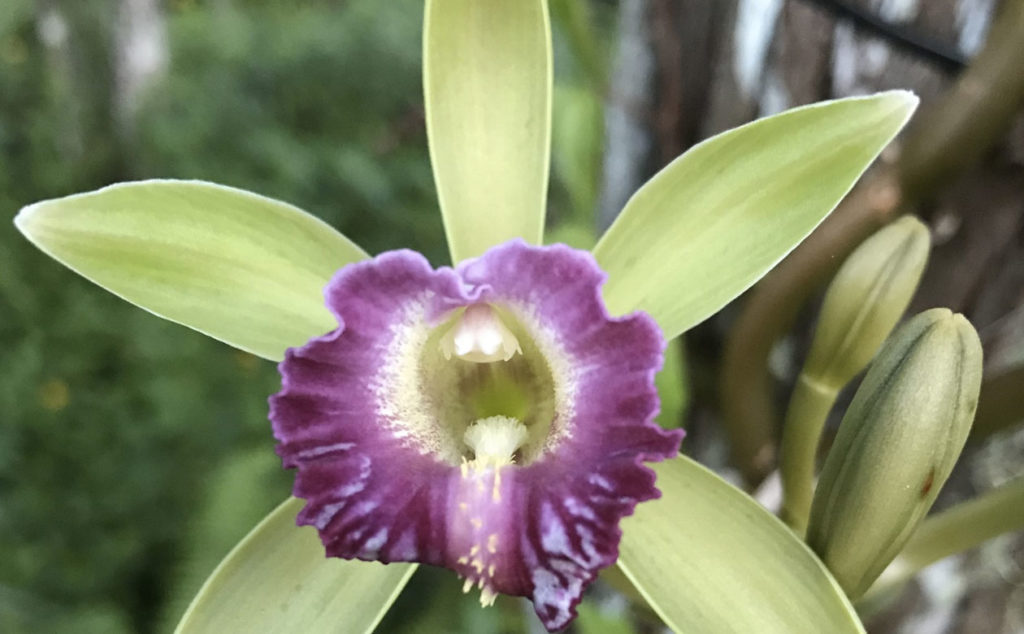
Orchids can be hard to grow from seed, but there are expert facilities and laboratories throughout the country which do so commercially. One of our goals is to show how easily these orchids can be acquired from cultivated sources and grown at home. We emphasize the point that endangered plants are not necessarily difficult to grow, just hard to find in their habitats.
One of our best examples of a South Florida native is the red stopper tree (Eugenia rhombea) which is quite rare in the wild, but common in landscaping. Easy to find, grow and maintain, it is a superior landscape plant for a wide range of conditions, both commercial and residential, as a stand-alone or hedge. Slow growing, pest free, and suitable as wildlife habitat, red stopper is a perfect example of the conservation-by-cultivation concept.
Plant Native, Save Money
Educating our community about spending a little extra for the right plant can help save time and money later. Using endangered native species, either as an accent or as foundation plantings, can accomplish many goals at once. We strive to help visitors understand not only conservation on a regional scale, but in their home gardens as well.
One of our biggest challenges in promoting local landscaping conservation is the lack of knowledge of using the right native plant for the right location and where to find native plants.
As a small garden filled with a century’s worth of mature heritage collections, we don’t have the space for larger, more ambitious conservation efforts. What The Kampong does have is a dedicated staff who know how to incorporate native flora into appropriate parts of the garden. Taking advantage of our monsoon-Arizona climate extremes, and working with local native plant nurseries, we have been successful with our efforts in Florida horticultural conservation .
Connect with Nature at the Kampong
While NTBG’s staff in Hawai‘i carry out their own horticulture and conservation of the most endangered plants in the Pacific, here at The Kampong we practice native conservation on a scale commensurate with our size. In our urban setting, we provide a peaceful oasis where visitors can connect with nature, contemplate wildlife, and learn how to counter habitat destruction, invasive species, plant disease, and the loss of biodiversity. Our goals are modest, attainable, and usable by every visitor.
At The Kampong, even as we preserve the heritage collection of the botanist who introduced many of America’s favorite edible and ornamental plants, we also understand how native plants form the backbone of ecology and the importance of conserving and appreciating them. Ensuring the survival of native plants, whether in Florida, Hawai‘i, or elsewhere is a critical task and an effort worthy of support.
NTBG finds new stand of rare carnation Schiedea viscosa in the interior forests of Waialae Canyon
Nina Rønsted Ph.D., Director of Science and Conservation
Schiedea is an endemic Hawaiian plant lineage related to carnations and the fifth-largest plant radiation in Hawaii with 34 species (3 currently considered extinct). It has evolved in habitats ranging from exposed sea-cliffs in salt-spray to remote subalpine cliffs and also in dry to wet shrublands and forests.
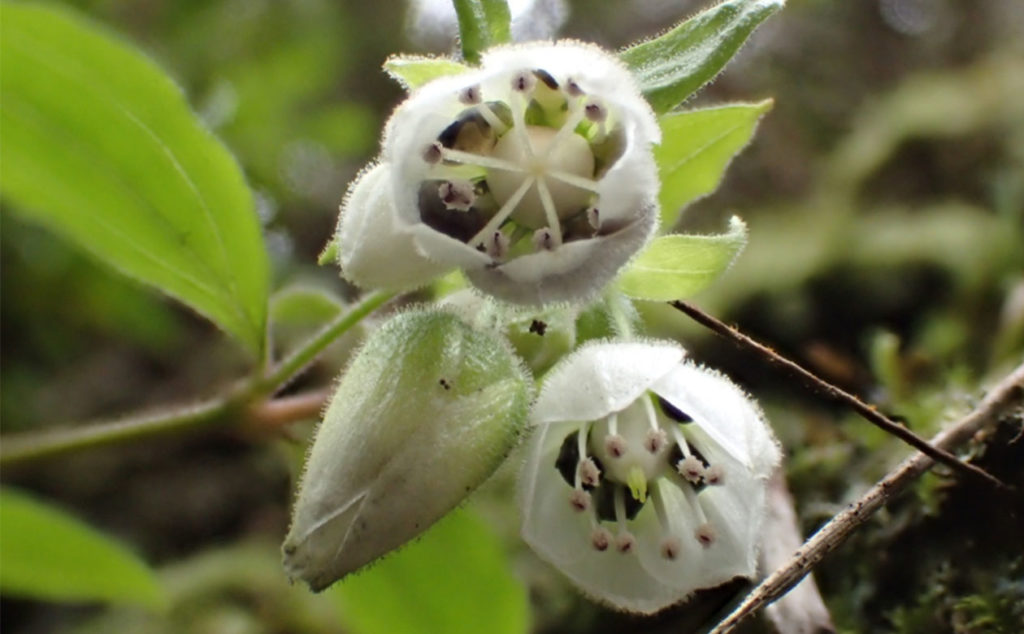
Species of Schiedea are also renowned for their diversity in breeding systems. NTBG is partnering on an NSF grant to study molecular markers within Schiedea to better understand trait evolution, including habitat shifts, breeding systems, pollination biology, and reproductive isolating mechanisms. Since the publication of the Manual of Flowering Plants in 1990, NTBG Science Dept. had rediscovered four species previously thought extinct and discovered a new species deep within the remote cliffs of Kalalau, Kauai.
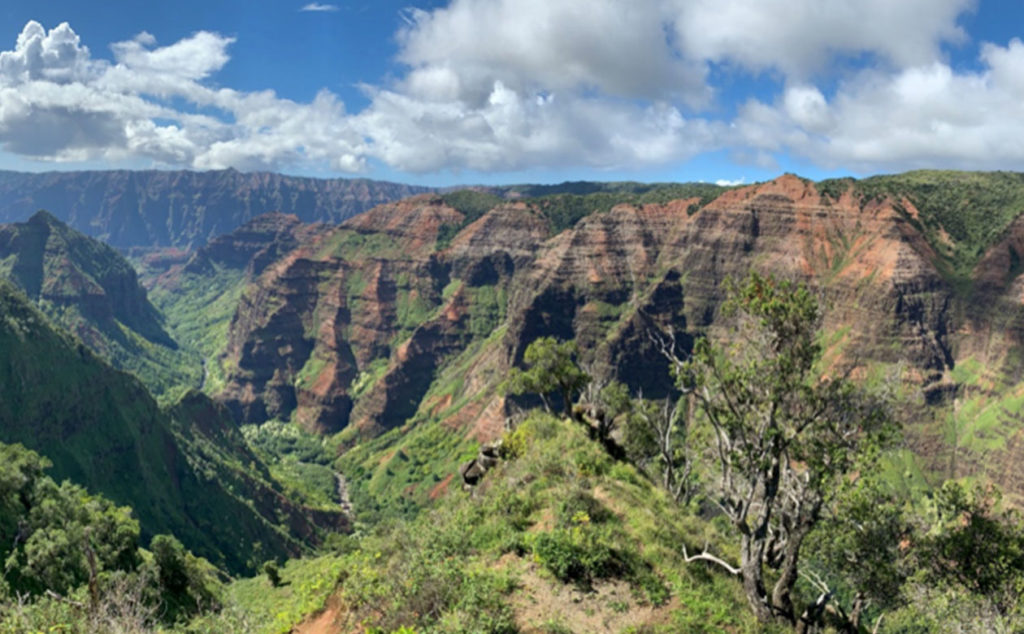
One rediscovered Kauai species, Schiedea viscosa, is now known from around 100 plants occurring in nine subpopulations. In early August 2020, NTBG Science staff recently located ten additional individuals while conducting research in the interior forests of Waialae Canyon. Conservation collections were made from seven separate individuals and included more than 4,000 seeds.
Regenerative Organic Breadfruit Agroforestry Demonstration Celebrates Third Anniversary
Diane Ragone, PhD. Director, Breadfruit Institute
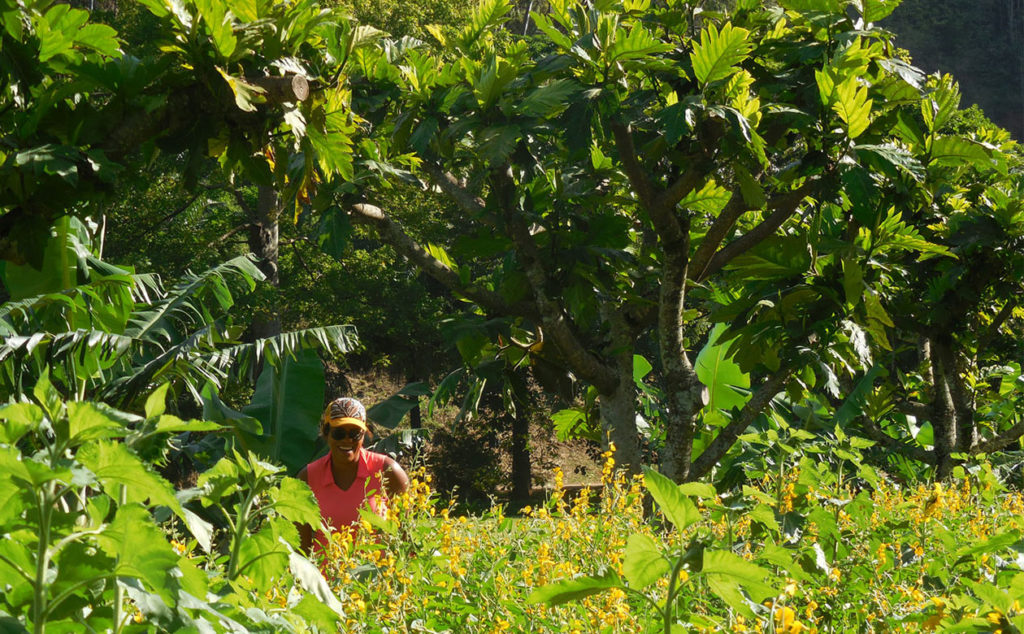
The Regenerative Organic Breadfruit Agroforestry demonstration in McBryde Garden on Kauai celebrates its Third Anniversary this month. This project transformed the Breadfruit Research Orchard of 24 accessioned breadfruit and breadnut trees into a biodiverse, multi-layered, productive agroforest that changes over time and space.
Four Agroforestry Themes
Shade-Grown, Heritage, Contemporary, and Regenerative, are the four agroforestry themes with the latter encompassing the entire 2-acre area. The primary goals of regeneration are improving soil health and structure and increasing carbon storage and biodiversity, which in turn advances plant health and resilience. The demonstration is actively managed and monitored. Data are recorded to quantify productivity and yield of plants as well as soil sampling to monitor carbon storage, soil biodiversity, and fertility. Noel Dickinson, Breadfruit Institute Research Technician & Agroforestry Project Manager, is responsible for oversight and direct maintenance of the demonstration. Since November 2019, she has been assisted by Graham Talaber, who participated in NTBG’s 2019 Fall Intern Program.
Working Farm
The demonstration is a dynamic, productive system, and must be managed as a “working farm” with year-round growth of plants and production of crops that must be regularly harvested. The regenerative practices implemented since the onset of the project have resulted in increased productivity of breadfruit and other crops with a commensurate increase in labor required to harvest and document yields (counts and/or weights).
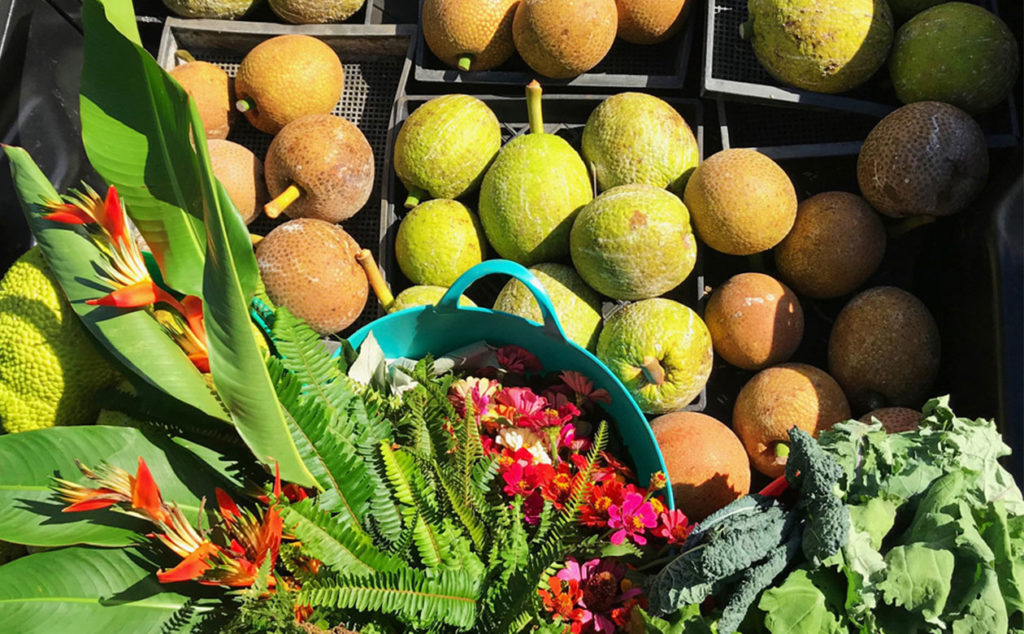
Labor-intensive, short term, vegetable, and other crops are being replaced with longer-term high-value crops and plants for biomass. Every plant in the agroforest, especially fast-growing woody and semi-woody species are specifically grown to be “cut and dropped” in place, and so-called “weeds” contribute to soil regeneration by contributing biomass that is re-used as mulch. New species added to the agroforest are carefully selected using the criteria of: will they yield income for producers, enhance soil health, and/or produce labor savings?
Since August 2017, more than 100 species of short- and long-term crops and other plants have been planted. Nearly 9,000 lbs. of breadfruit, 7,000 lbs. of 55 species/varieties, and 1,300 ornamentals, have been given to staff, volunteers, interns, and students at NTBG. These harvest totals include 2 tons of breadfruit, bananas, and papayas donated to Kauai Food Banks.
Living Laboratory
The demonstration serves as a living laboratory for producers, agriculturists, chefs, entrepreneurs, home gardeners, community organizations, researchers, students, visitors on tours, and others interested in learning about breadfruit, breadfruit agroforestry, and regenerative organic agriculture. Since March 2020, adopted appropriate measures to respond to the realities of COVID-19 with health and safety of staff and plants foremost, and on-site educational activities have been limited. Outreach via social media has increased to continue to reach and serve this audience.
Information Resources produced to complement the demonstration—Breadfruit Agroforestry Guide, Fact Sheet, and Agroforestry Standards published in the open-access journal Sustainability—are all available as downloadable PDFs here and widely disseminated. We are grateful to the Hawaii Department of Agriculture (Year 1) and Patagonia Provisions through Patagonia’s Environmental Grants Program (Year 1-on-going) for their financial support. This project owes its success to the hard work of the Breadfruit Institute team (Noel Dickinson, Juliana Prater, Graham Talaber) and the scores of staff and volunteers who have helped in so many ways.
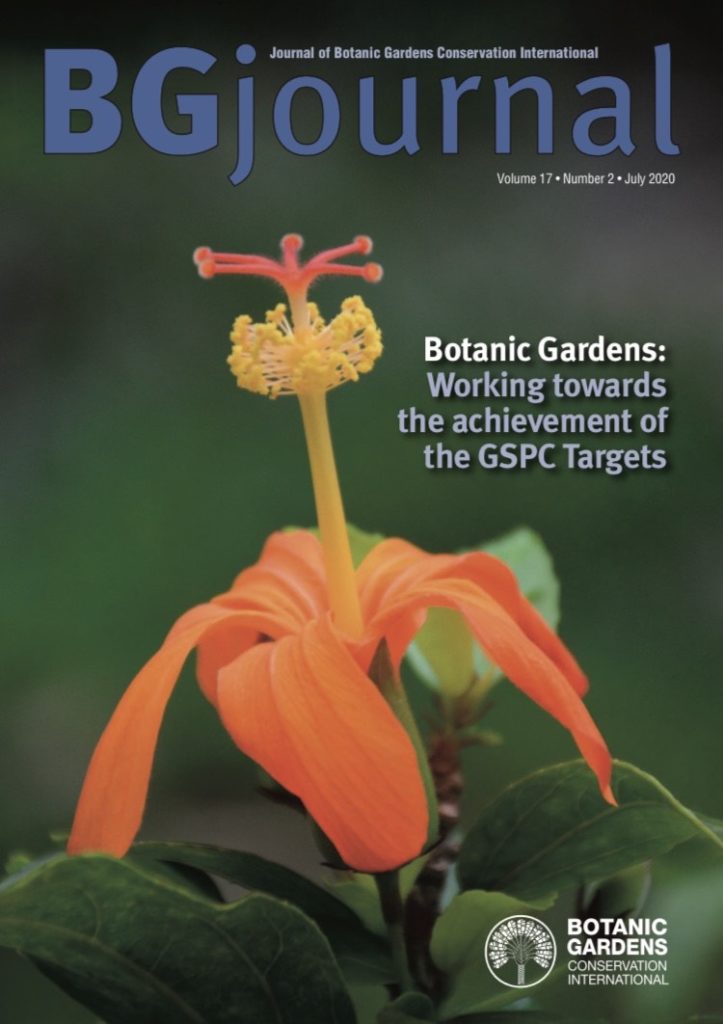
NTBG featured as cover story in BGjournal’s July 2020 issue
Botanic Gardens Conservation International (BGCI)’s July 2020 issue of BGjournal includes extensive coverage of NTBG’s work with drones in rare plant conservation, support for the IUCN Seed Conservation Specialist Group’s new website, and interview with NTBG President Chipper Wichman, and more. Read the new issue here: https://www.bgci.org/wp/wp-content/uploads/2020/08/BGjournal17.2.pdf