.svg)


Images by Jacob Bettencourt
Text by Jon Letman
Plant conservation is practiced in two broadly defined settings: in situ, meaning in a plant’s natural habitat, often described as “in the wild” and ex situ, sometimes called “off site,” in reference to a controlled or managed setting such as a plant nursery or botanical garden.
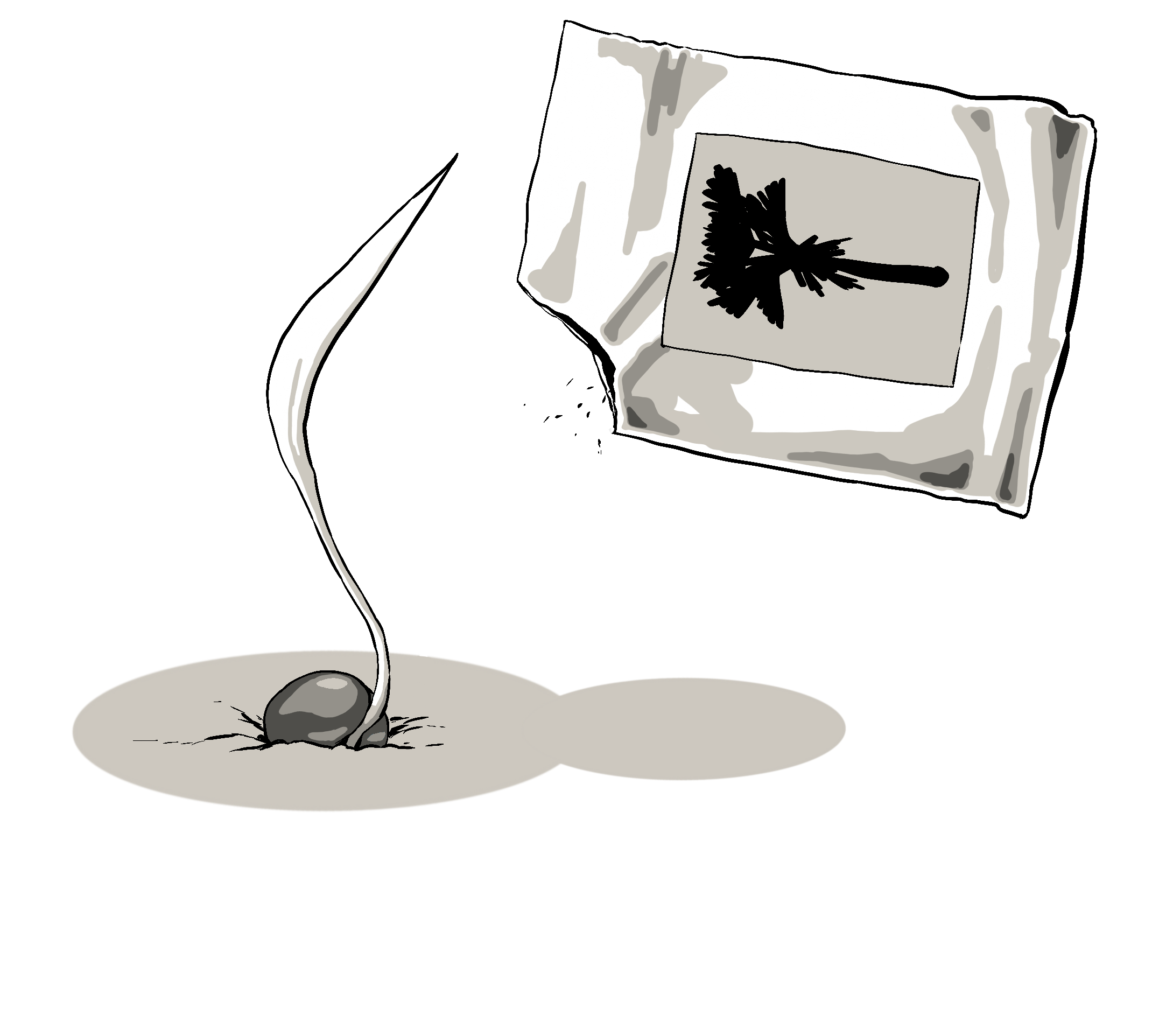
One example of ex situ conservation is seed banking which involves drying and cooling seeds for later use. NTBG has been banking seeds for more than 40 years, but recently we’re investing time and effort in another kind of ex situ conservation — pollen banking — a technique that follows the seed banking model with some significant differences.
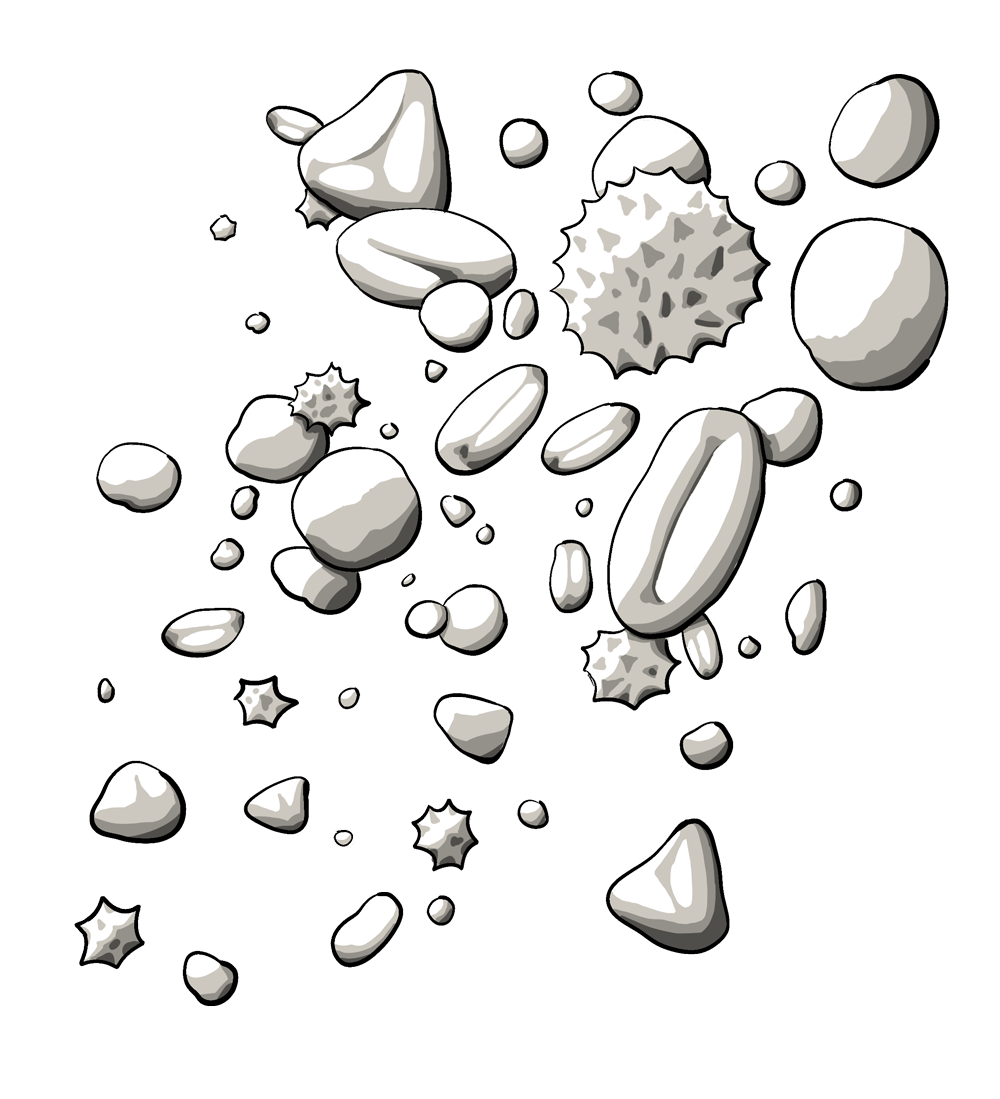
Pollen, a plant’s microscopic powder-like substance that holds the male reproductive cells, contains half of a plant’s unique genetic composition. Banking pollen offers another tool for safeguarding genetic diversity and preventing extinction. The pollen of agricultural crops like corn, wheat, and almonds has been studied for decades, but employing similar techniques for wild plant species is still new and remains an under-utilized conservation practice.
Currently, NTBG is one of the few organizations in the world that is banking pollen. Despite the many challenges to overcome unanswered questions, NTBG scientists recognize the extraordinary opportunities pollen banking presents in protecting endangered species and helping stem the loss of biodiversity.
Why bank pollen?
In extreme scenarios, even if the last known individual plant and its seeds are lost, pollen banking allows genetic material to be perpetuated. Increasing threats such as fragmented plant habitats and phenological shifts (i.e. the timing of when a plant blooms) knock plants out of synch with their natural pollinators and with each other. Pollen banking can help bridge the gap between time and space, allowing scientists the opportunity to make strategic crosses and thus perpetuate genetic diversity.
Pollen banking offers botanical institutions the ability to share pollen with partner organizations around the world and make informed conservation decisions about endangered species in a manner similar to how zoo breeding programs preserve and perpetuate animal genetic material using a breeding registry called a stud book.
Like seeds, pollen has varying conservation needs. Some pollen can be dried, frozen, and kept in storage for years, others cannot. When seeds are inaccessible, recalcitrant (meaning they cannot be dried and stored in conventional ways), or are exceedingly difficult to germinate, pollen banking offers an alternative means of preserving plant genetics.
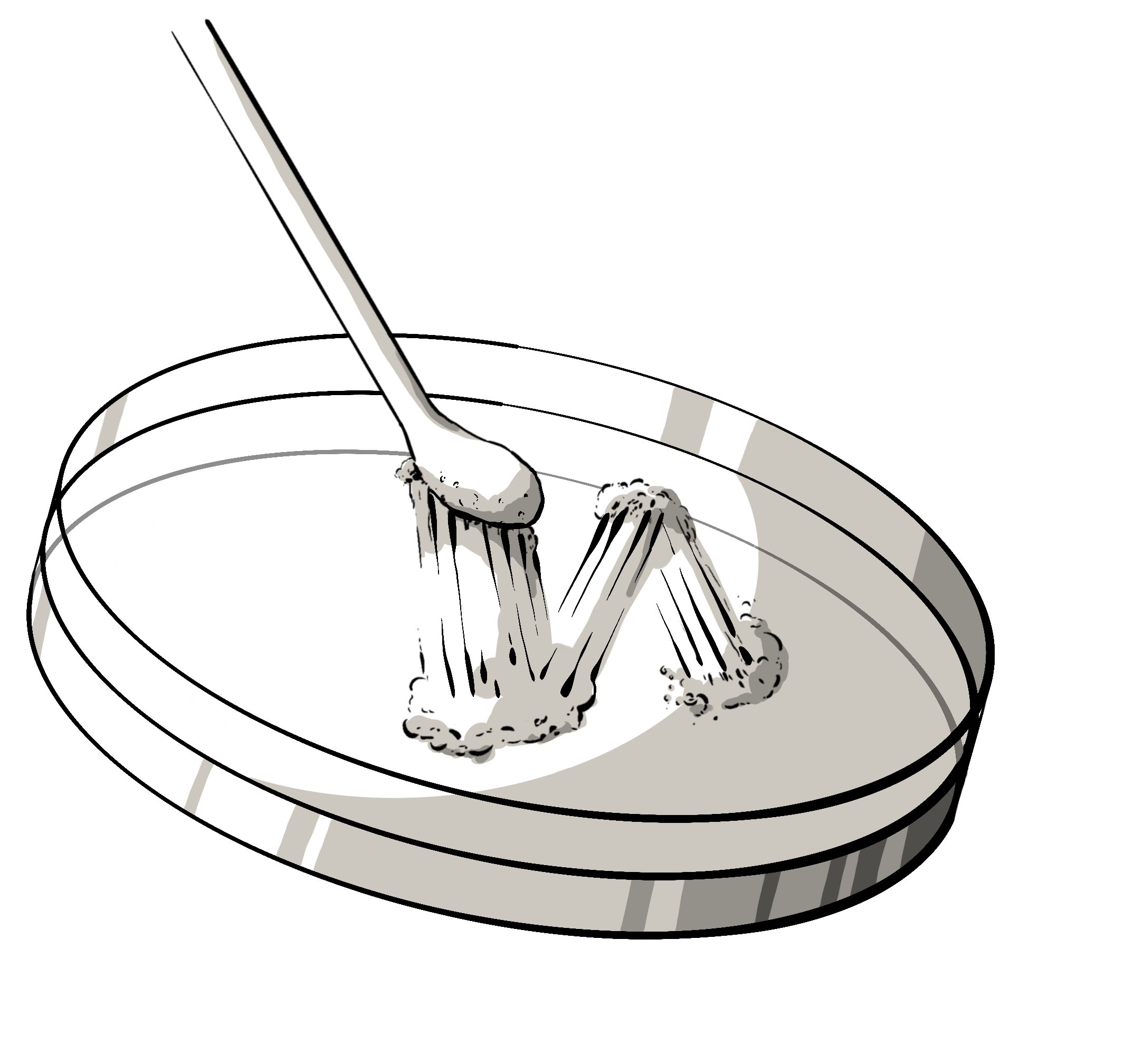
Because so much remains unknown, NTBG staff and specially trained volunteers are conducting painstaking, time consuming viability trials to learn the best methods for storing different pollen types. Something as seemingly simple as how to extract miniscule amounts of pollen from a flower requires extraordinary patience and focus.
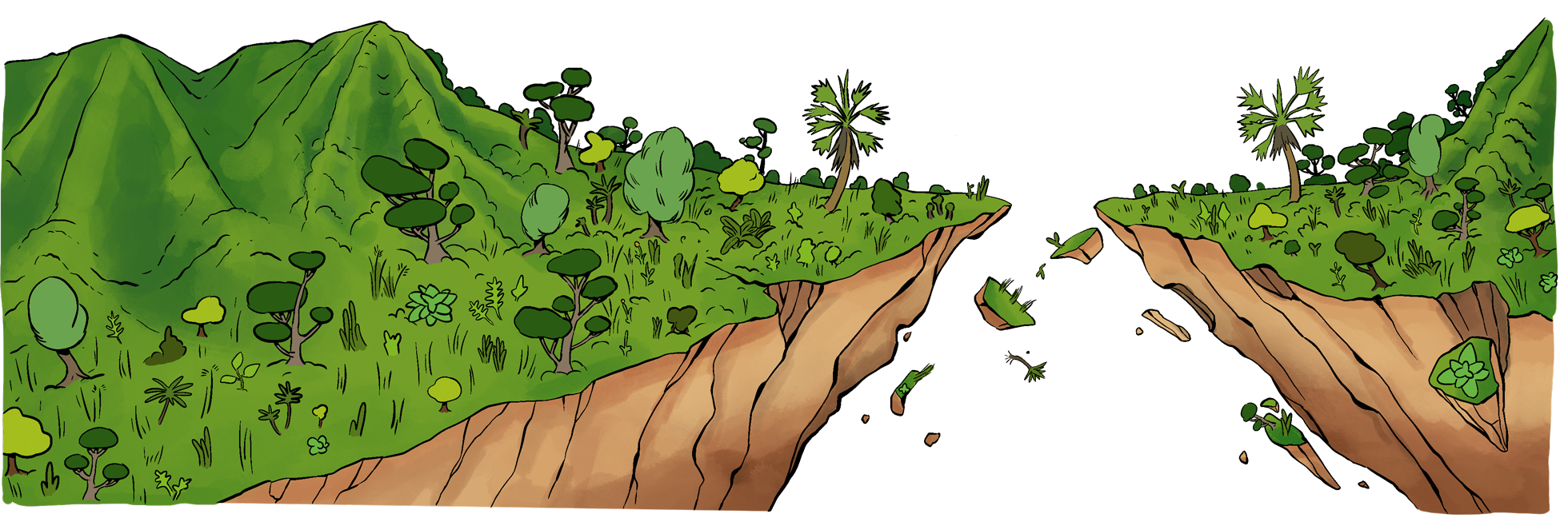
“Genetic bottlenecking” is a term describing how population loss leads to reduced genetic diversity. This can occur when greatly diminished plant populations are isolated from one another, for example restricted to different valleys, preventing cross pollination and the production of seeds. Pollen banking allows humans to bridge that gap through hand pollination of diverse individuals and populations.
How is pollen stored? Scientists visit target species where they collect pollen which is brought back to the lab at NTBG’s Botanical Research Center where the pollen samples are checked for initial viability in a nutrient rich agar gel in a petri dish. Pollen is incubated then observed under a microscope.
After 72 hours, dried pollen can be hermetically sealed and stored in a foil packet and deposited in a freezer at minus 18c or minus 80c for storage. Ongoing viability tests are conducted at intervals. Scientists are still studying how viability changes when pollen is first collected and how it is affected by drying and freezing.
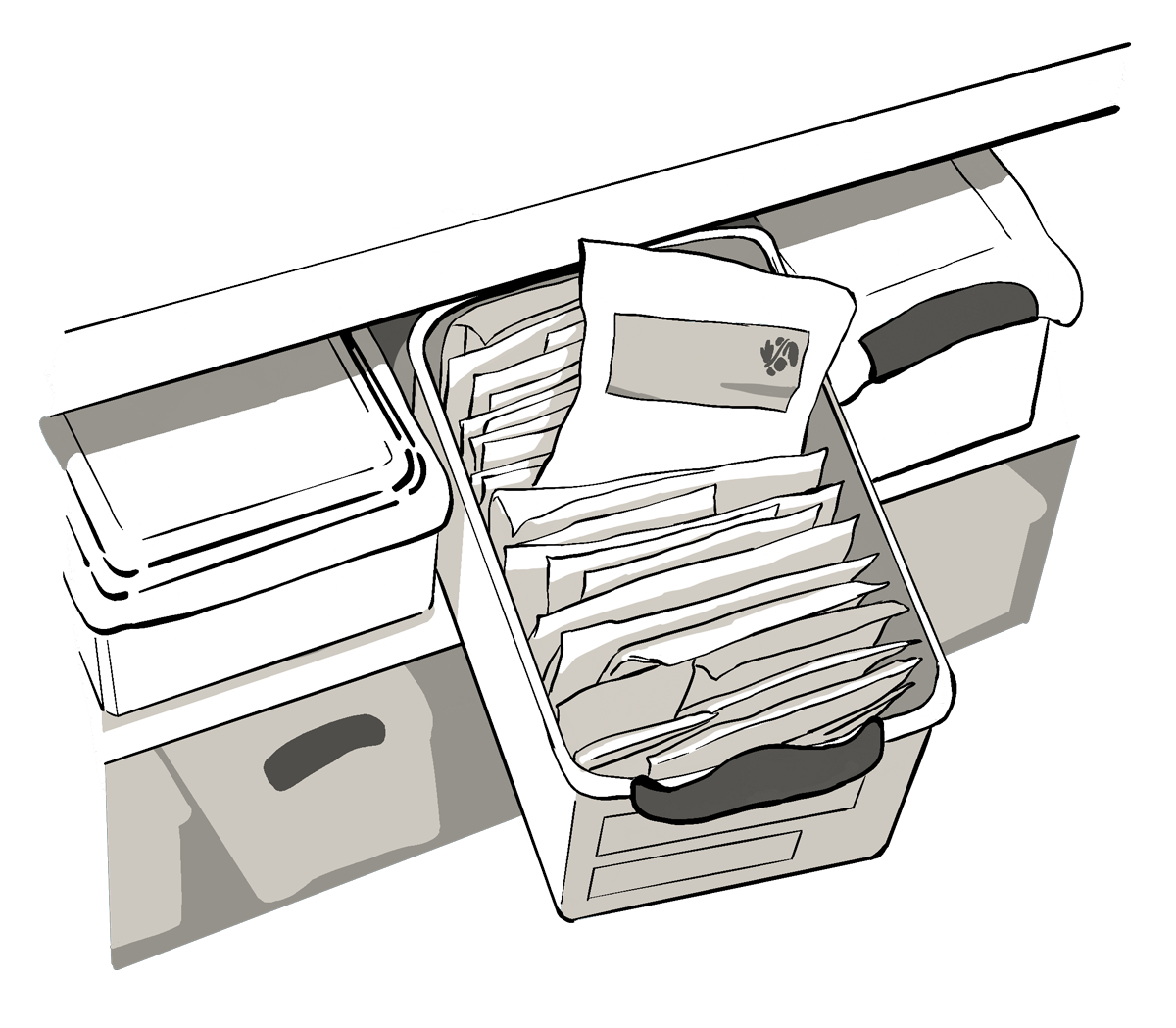
How is pollen stored? Scientists visit target species where they collect pollen which is brought back to the lab at NTBG’s Botanical Research Center where the pollen samples are checked for initial viability in a nutrient rich agar gel in a petri dish. Pollen is incubated then observed under a microscope.
After 72 hours, dried pollen can be hermetically sealed and stored in a foil packet and deposited in a freezer at minus 18c or minus 80c for storage. Ongoing viability tests are conducted at intervals. Scientists are still studying how viability changes when pollen is first collected and how it is affected by drying and freezing.
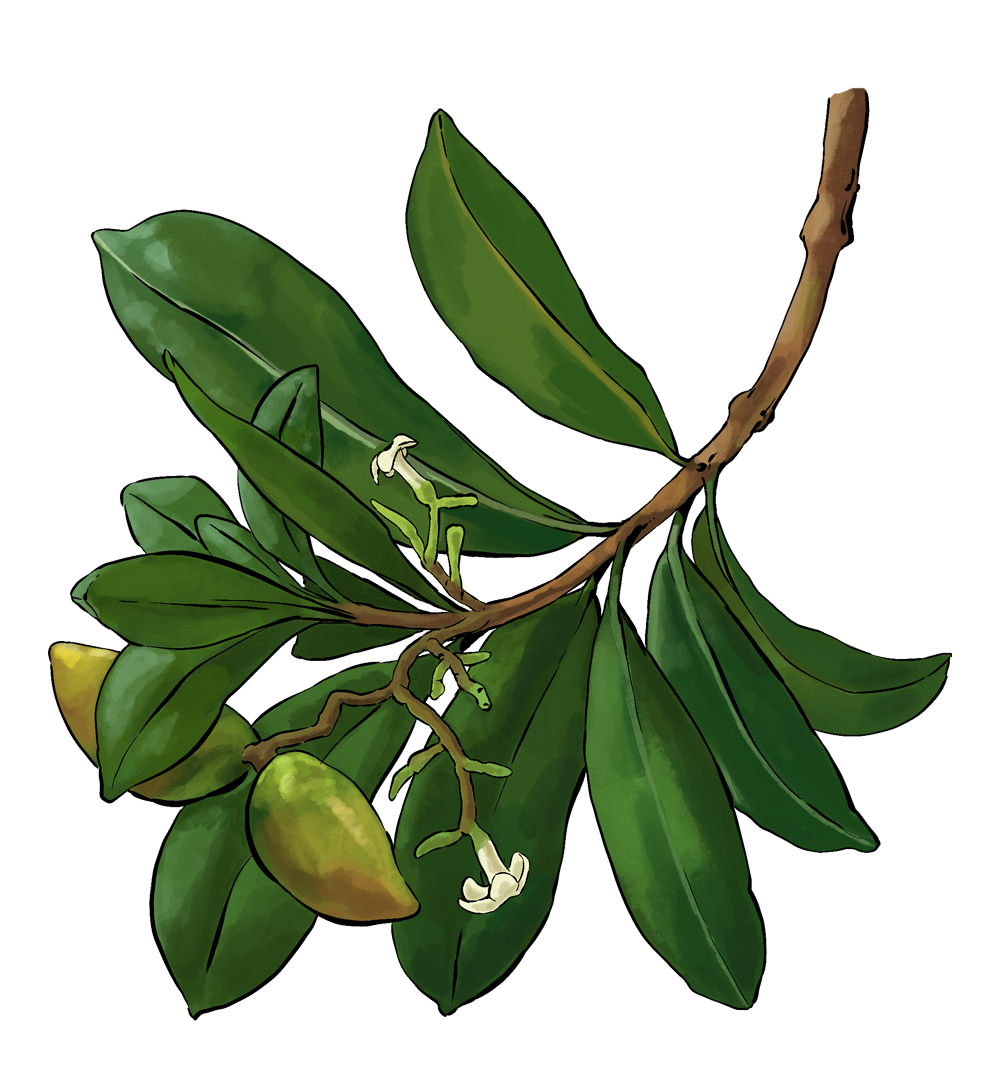
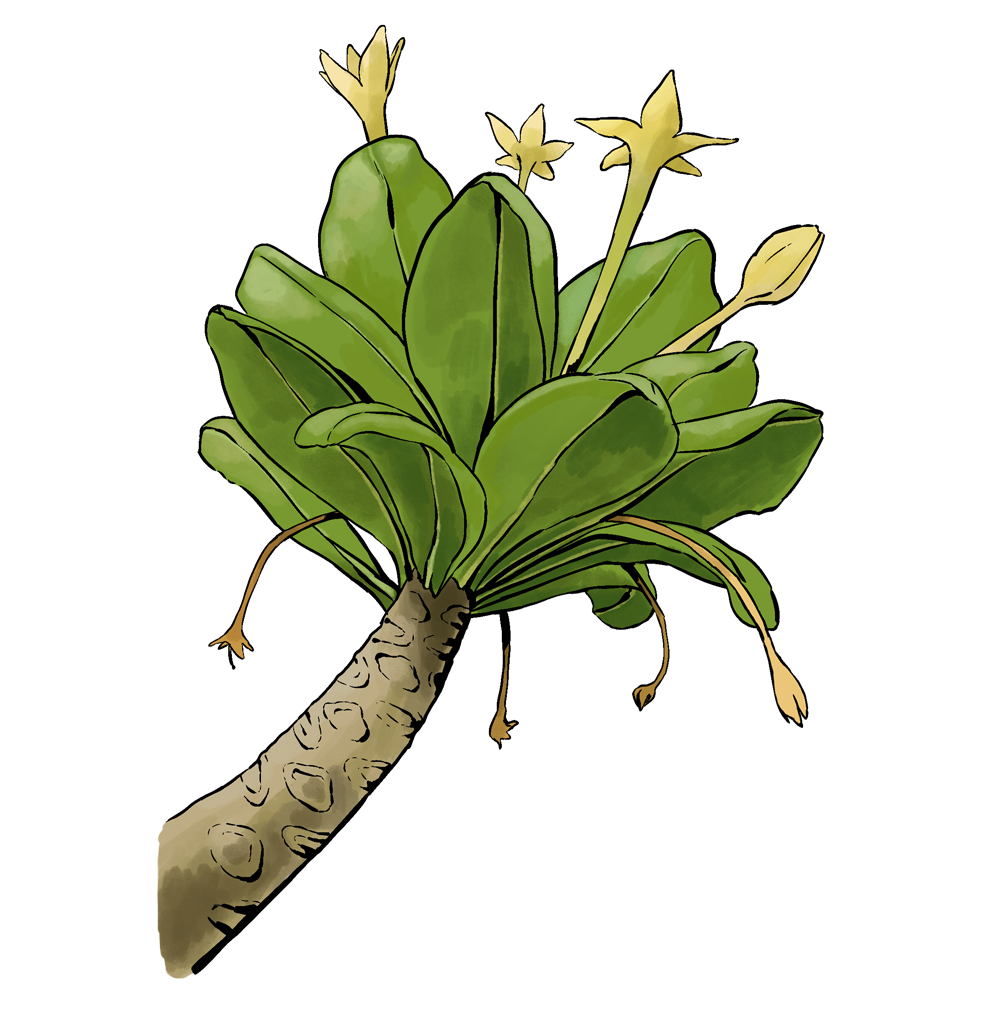
NTBG has found that pollen is highly variable. Unlike some Hawaiian plant pollen which dies within hours of being collected — native hibiscus, for example — loulu (Pritchardia palm) viability remains high even after the pollen has been dried and frozen, offering a new conservation technique for a genus whose seeds cannot be conventionally stored.

In partnership with Chicago Botanic Garden, and researchers in Spain, Ecuador, and elsewhere, NTBG is working to improve awareness and understanding of the value of pollen banking. NTBG’s seed bank manager Jena Osmani says pollen banking is an effective way to preserve a plant’s basic genetic information when we can’t store the seeds.
Building on all we have learned so far, NTBG hopes to establish a framework for banking rare and wild plant pollen that will not only shed light on vital conservation methods but also serve as a model for other institutions and places which have high rates of endemism and endangered plants.
NTBG seed bank manager Jena Osmani and botanist Dr. Dustin Wolkis contributed technical details for this story.