.svg)


By Charlie Harrison
Seeds come in an incredible array of shapes, sizes, and forms, each with its own story to tell. In this photo gallery, we take a closer look at a selection of seeds—from Hawaiʻi’s endemic pua kala to jackfruit, cacao, and other tropical plants, as well as rare seeds preserved through conservation efforts. Each image is a close-up of seeds drawn by our NTBG Florilegium Society artists over the years, taken from detailed illustrations of the entire plant, and accompanied by photographs of the living plants themselves. Together, the illustrations and photos invite us to reflect on the beauty of plants and the essential role seeds play in their life stories.

By Harriet OʻDonnell
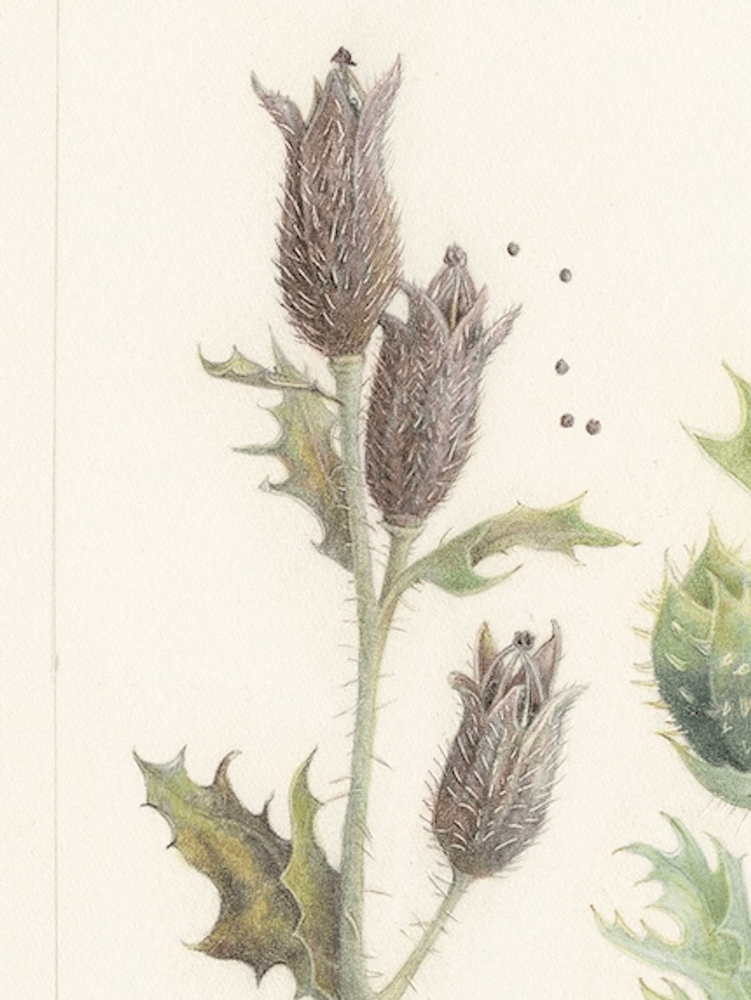
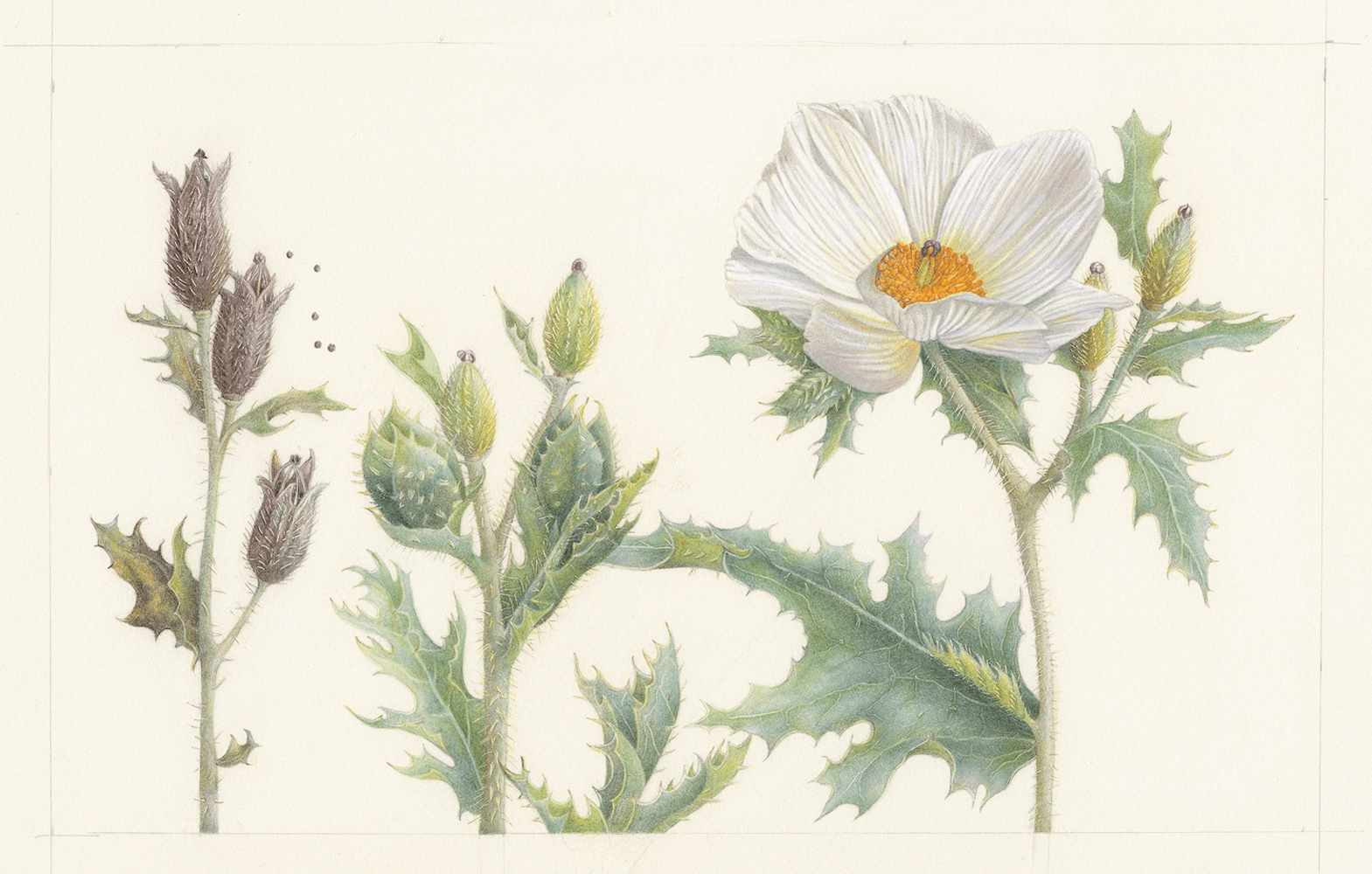
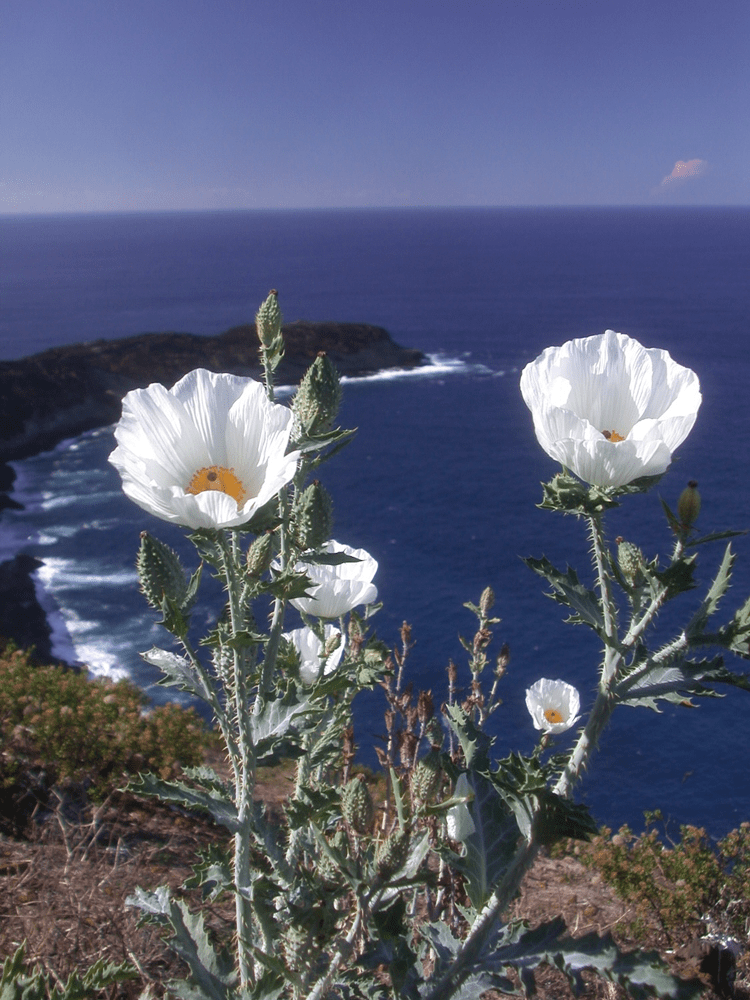
Pua kala is the only poppy endemic to Hawaiʻi. The prickly stem and pod that hold its seeds is a rarity — most Hawaiian native plants don’t have thorns, prickles, or other physical defenses. Pua kala is also one of the first flowers to come back after a wildfire.
By Rosemary Donnelly
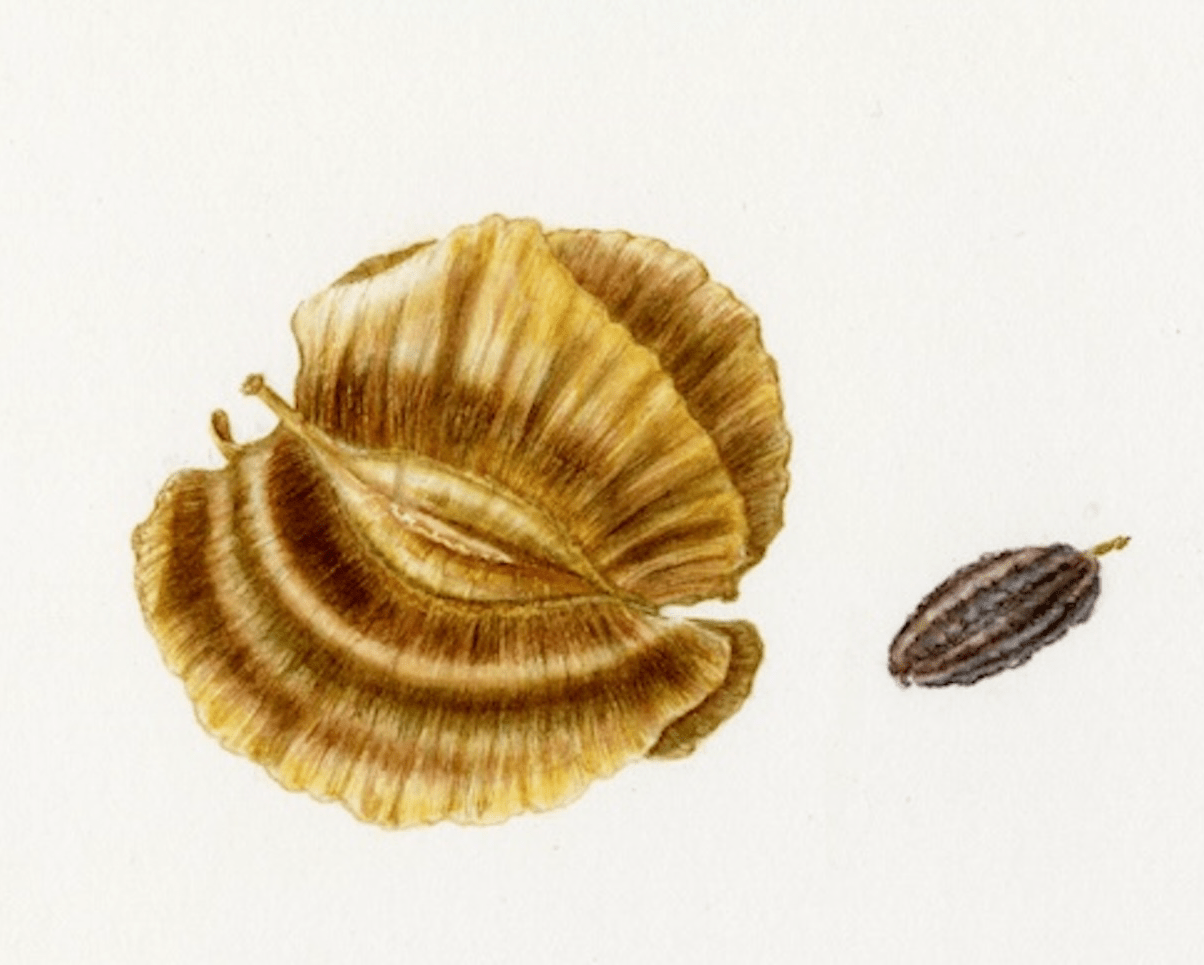
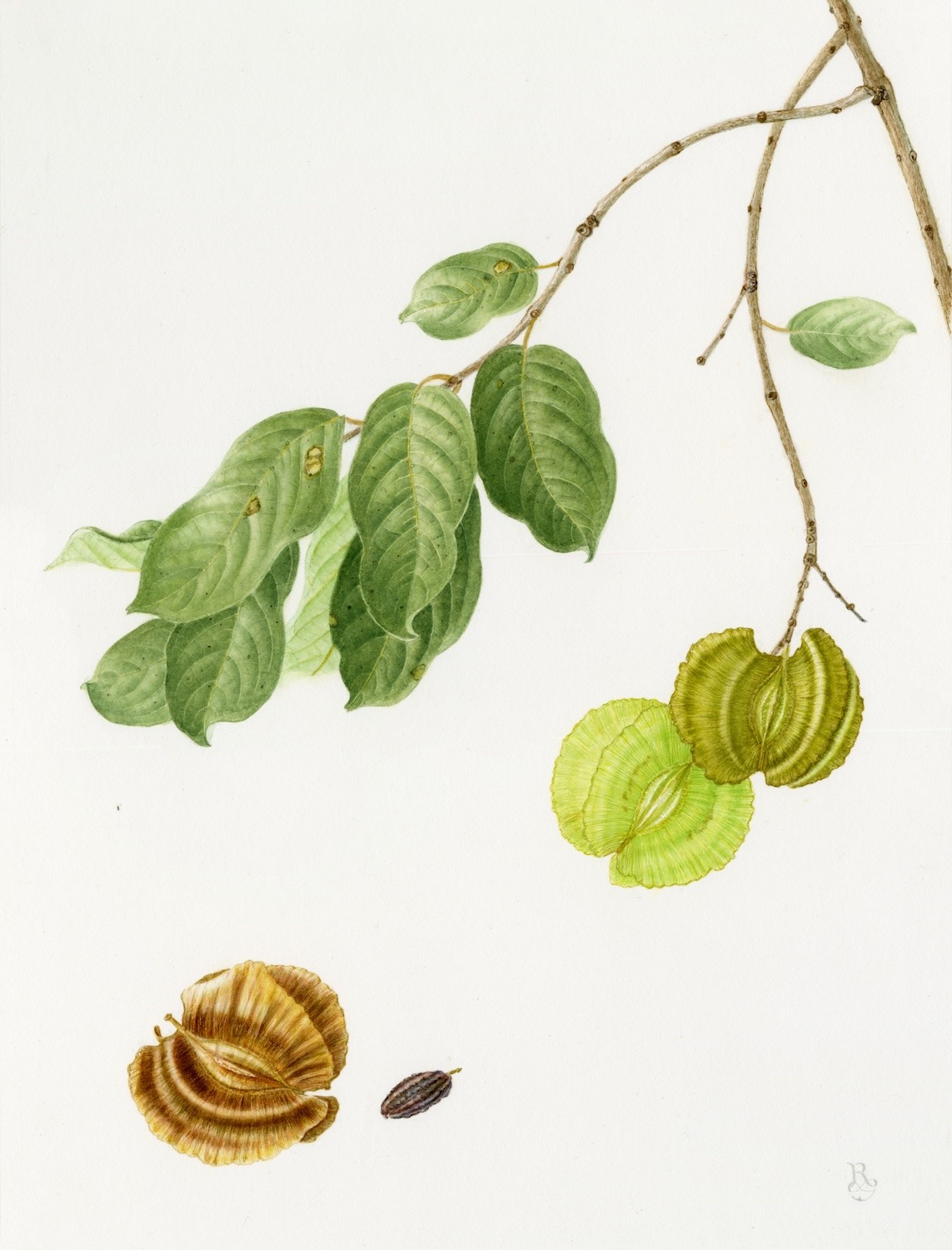
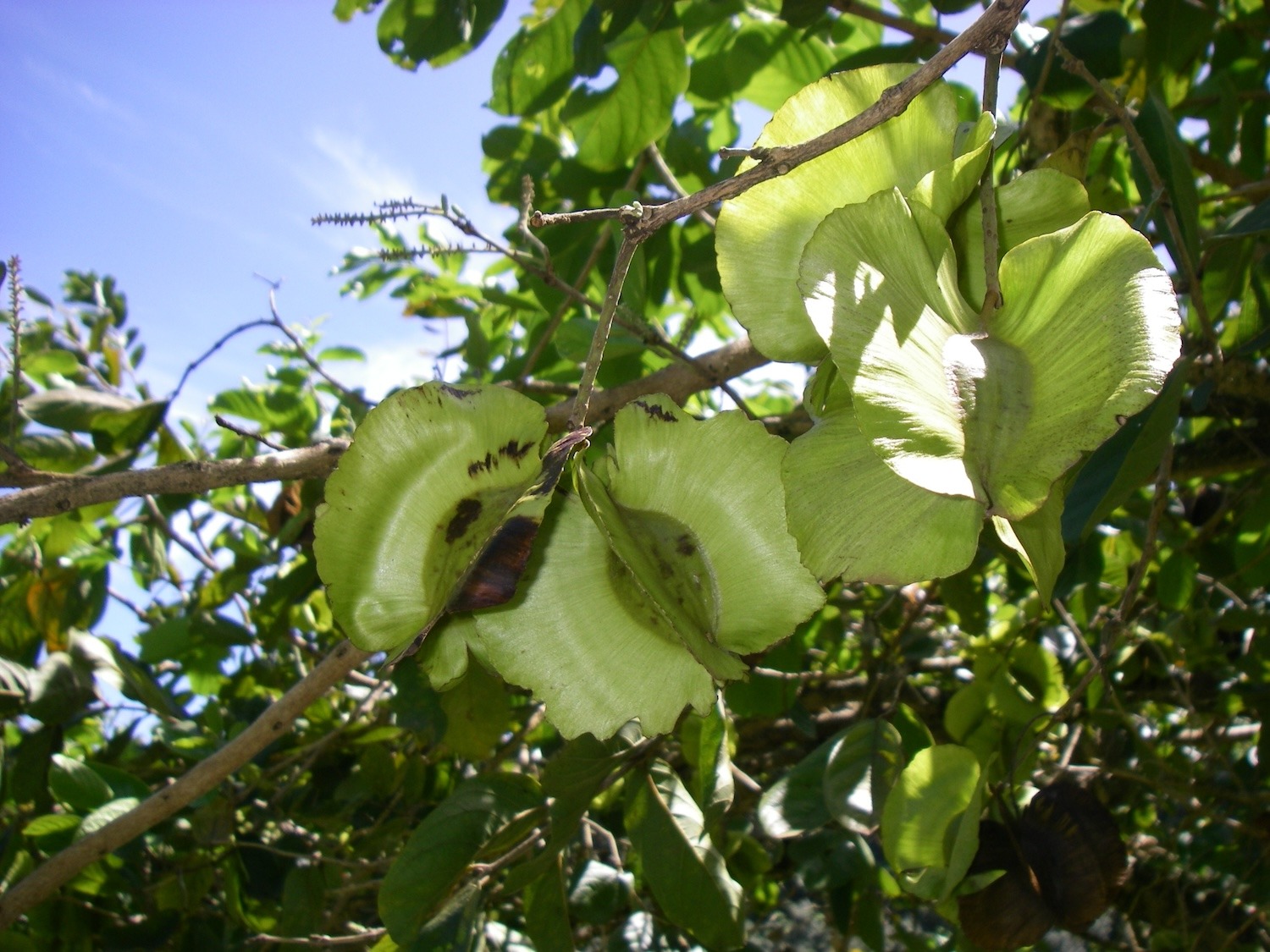
The bushwillow in the garden is originally from the Universidade Eduardo Mondlane in Mozambique but grows well here on Kauaʻi. In Afrikaans, the bushwillow is referred to as raasblaar, which translates to ʻnoisy leafʻ as the leaves rattle with the seeds inside in the wind.
By Asuka Hishiki
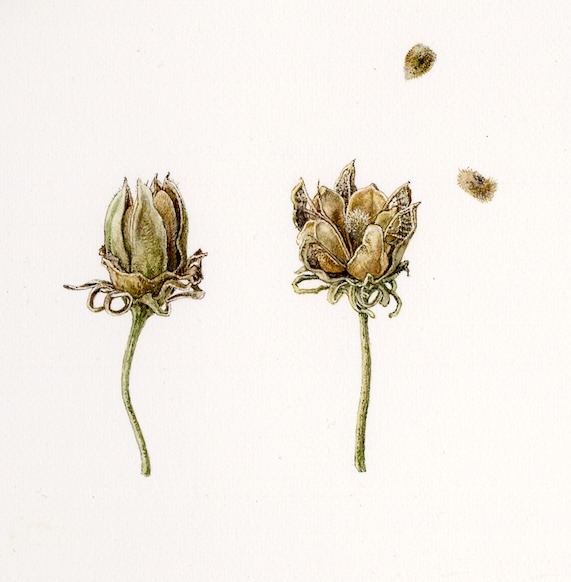
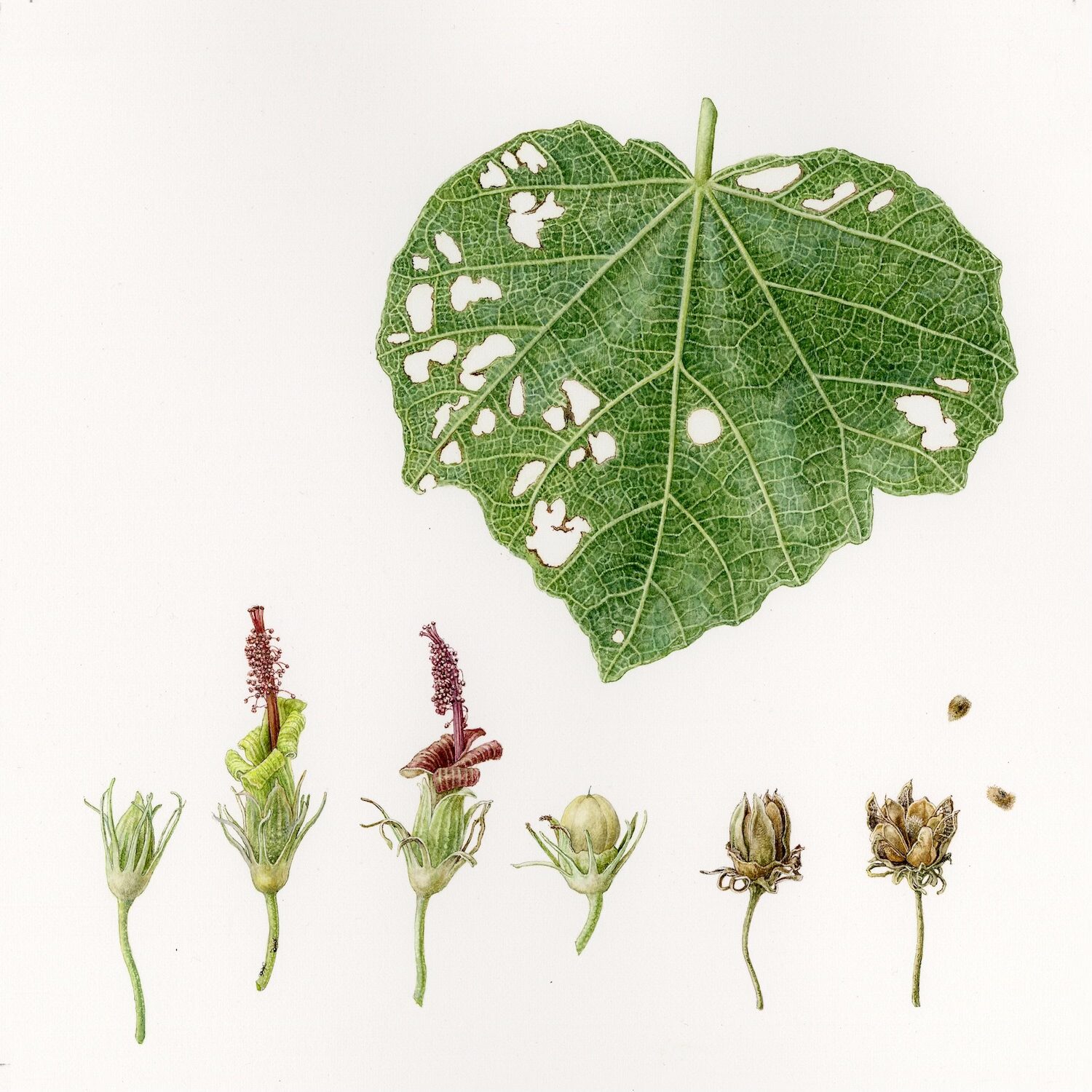
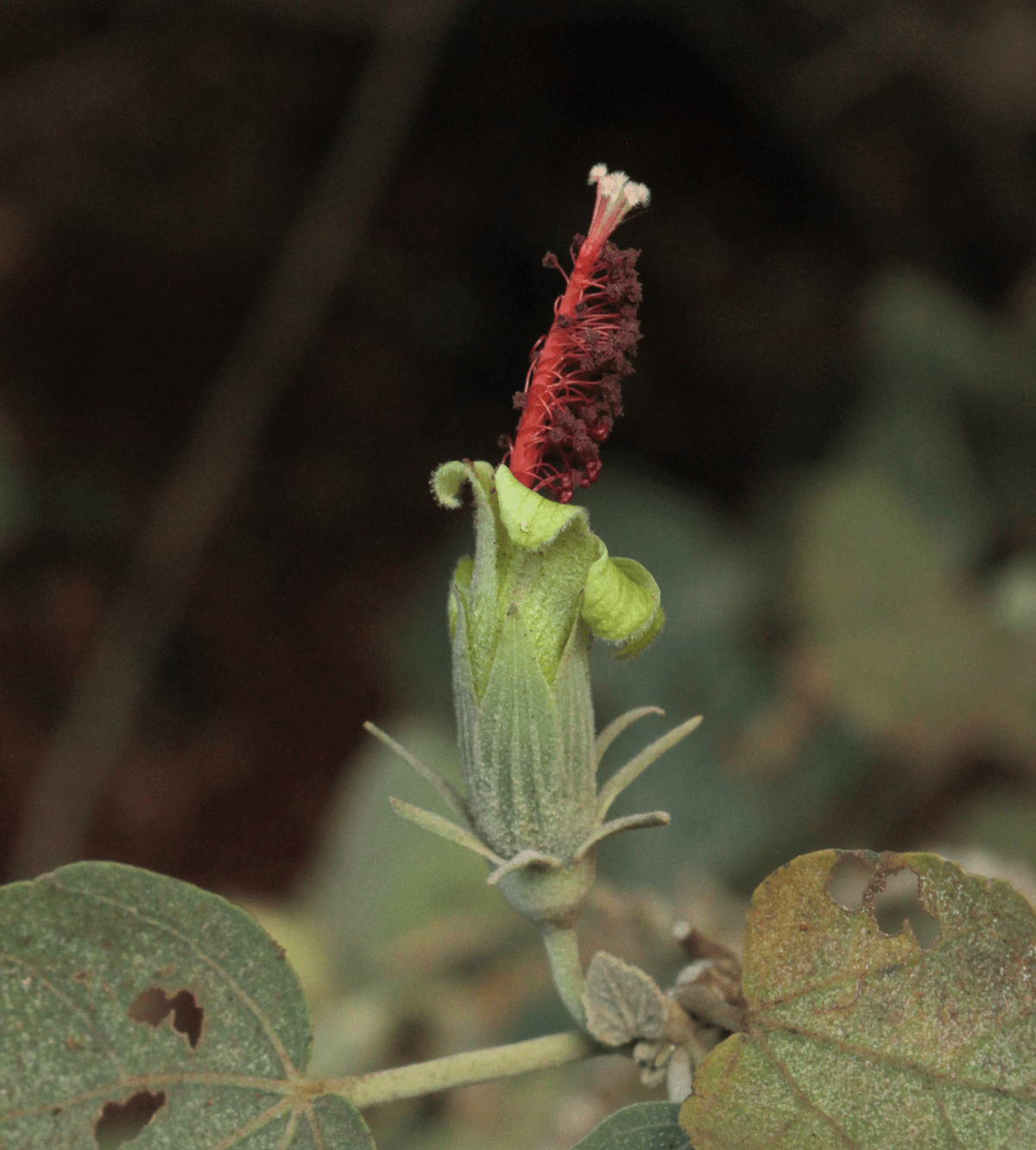
Hau kuahiwi is an endangered plant endemic to Kauaʻi. Conservation efforts have kept this hau kuahiwi from going extinct through cultivated plants in our living collection and through conservation seed banking. We currently over 2,500 hau kuahiwi seeds in our seed bank and over 20 plants in our living collection.
By Wendy Hollender
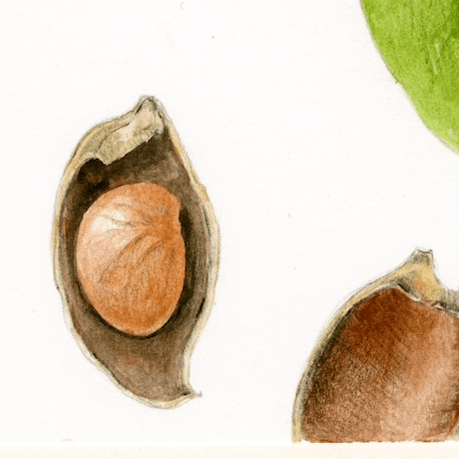
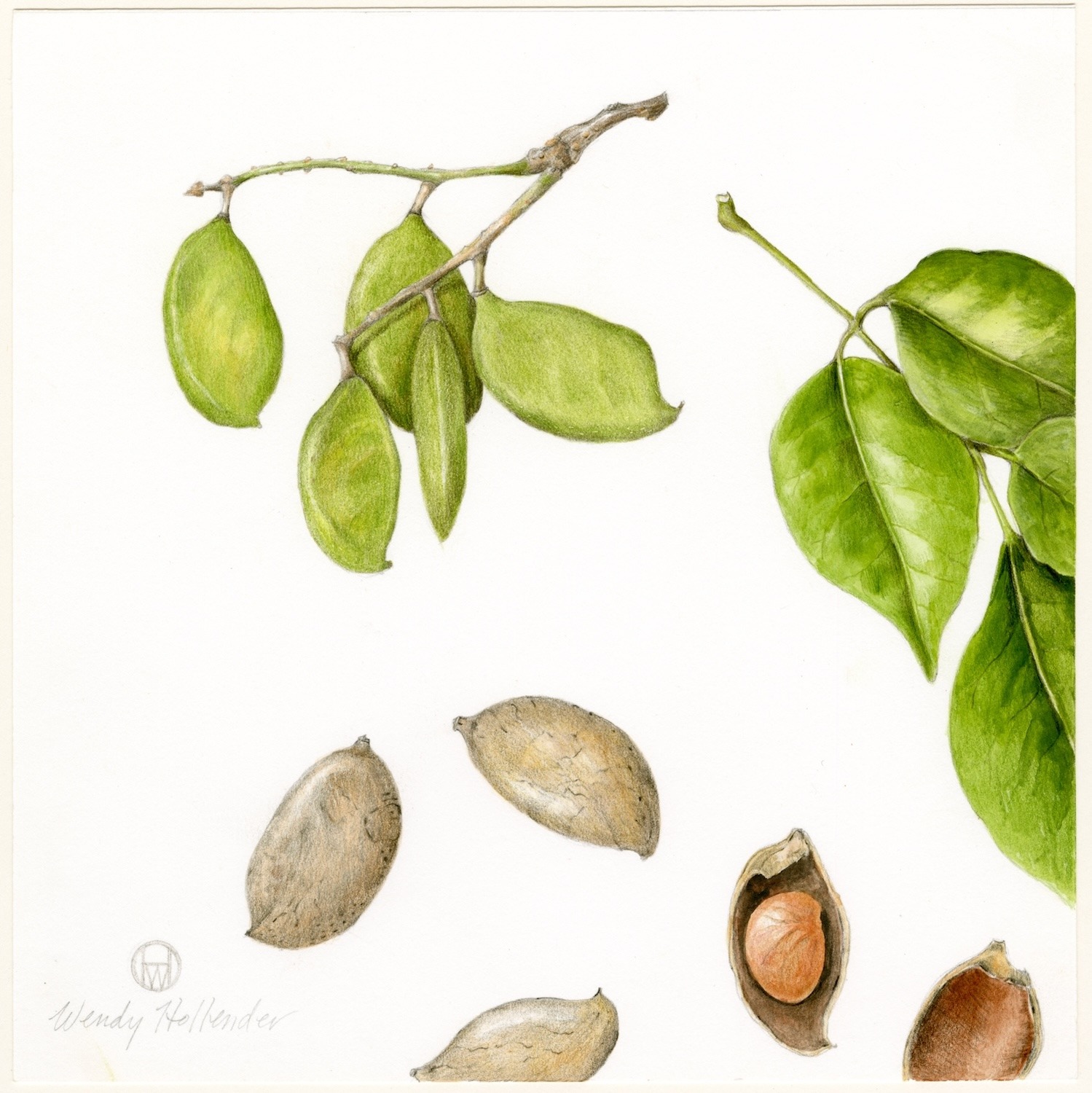
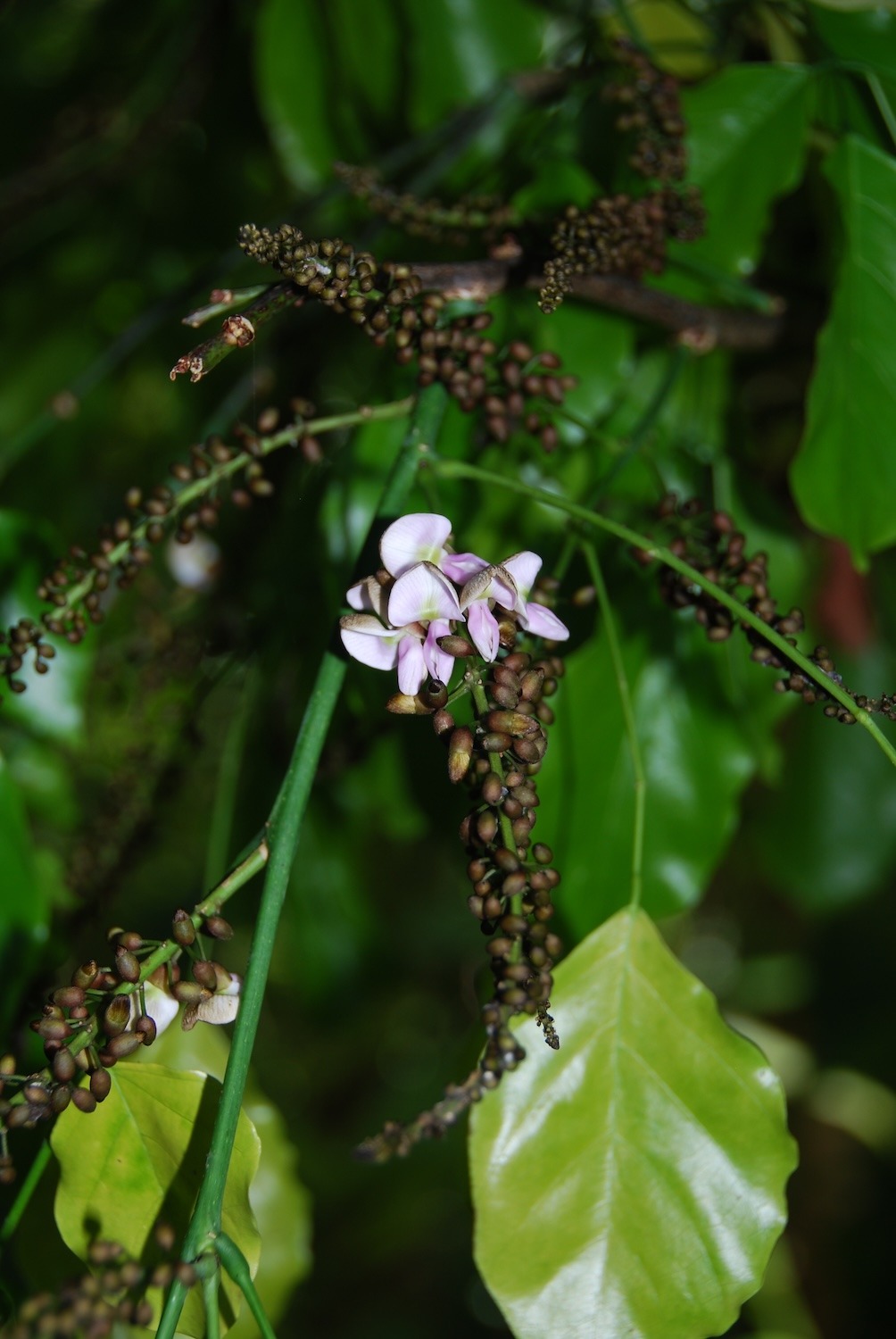
Pongamia is an incredibly versatile plant, and is the only member of the genus Pongamia. The seeds can be used to make oil, the leaves can be used to make herbal medicines, and the wood can be burned and used as fuel or the ashes as a dye. Also known as the malapari tree, it is drought resistant, making it suitable for helping reforest land in its native range of tropical Asia, Australia, and some Pacific islands.
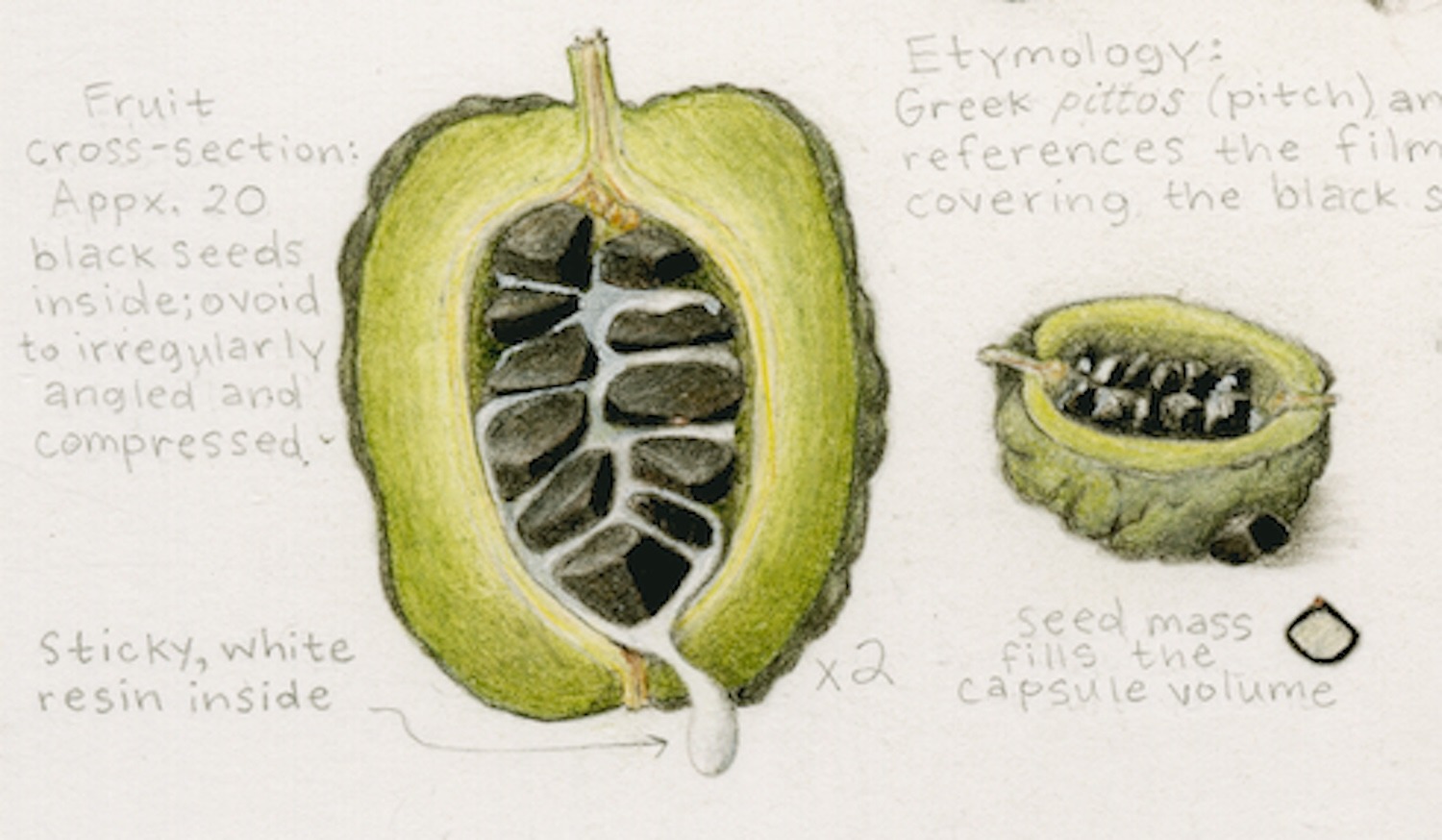
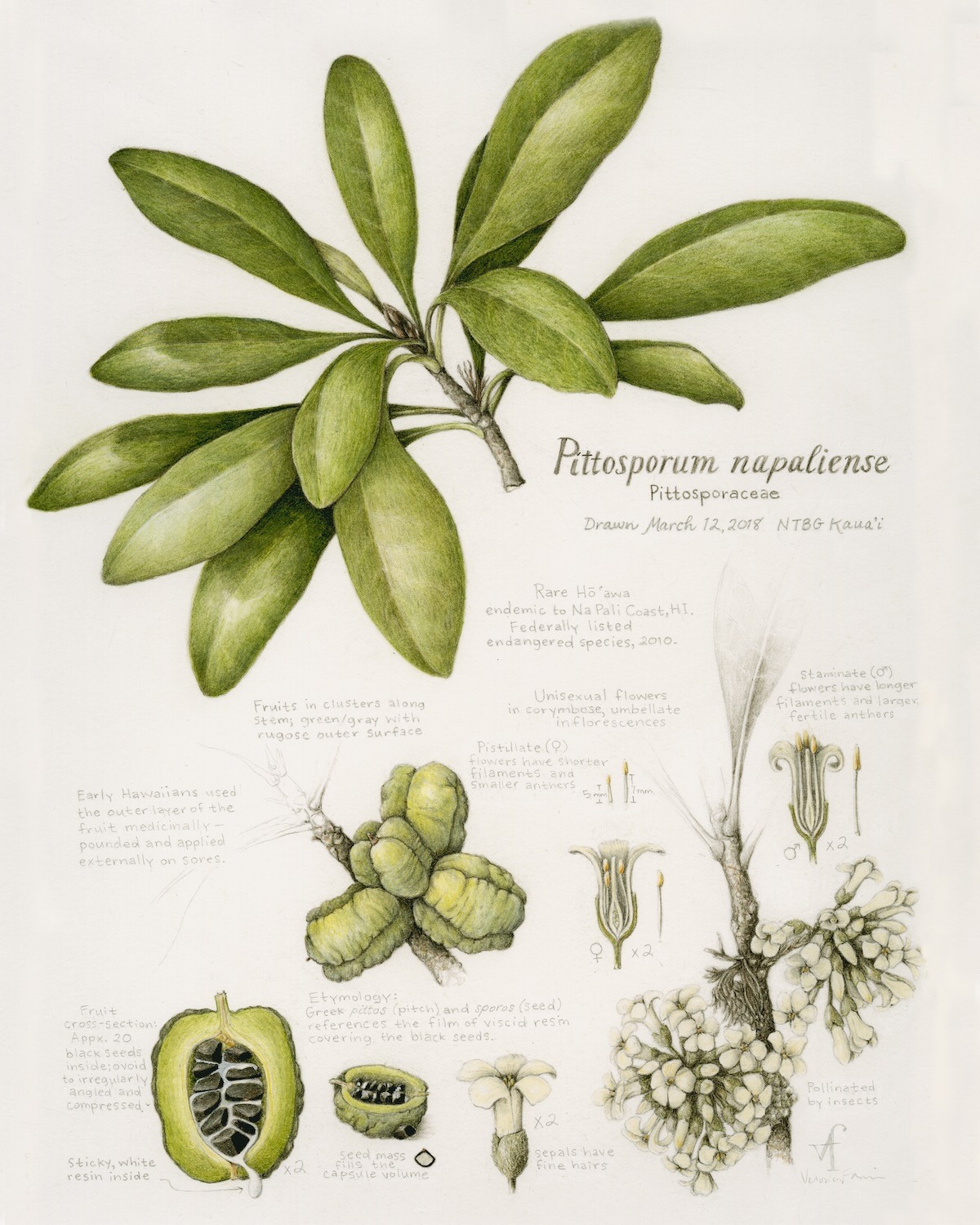
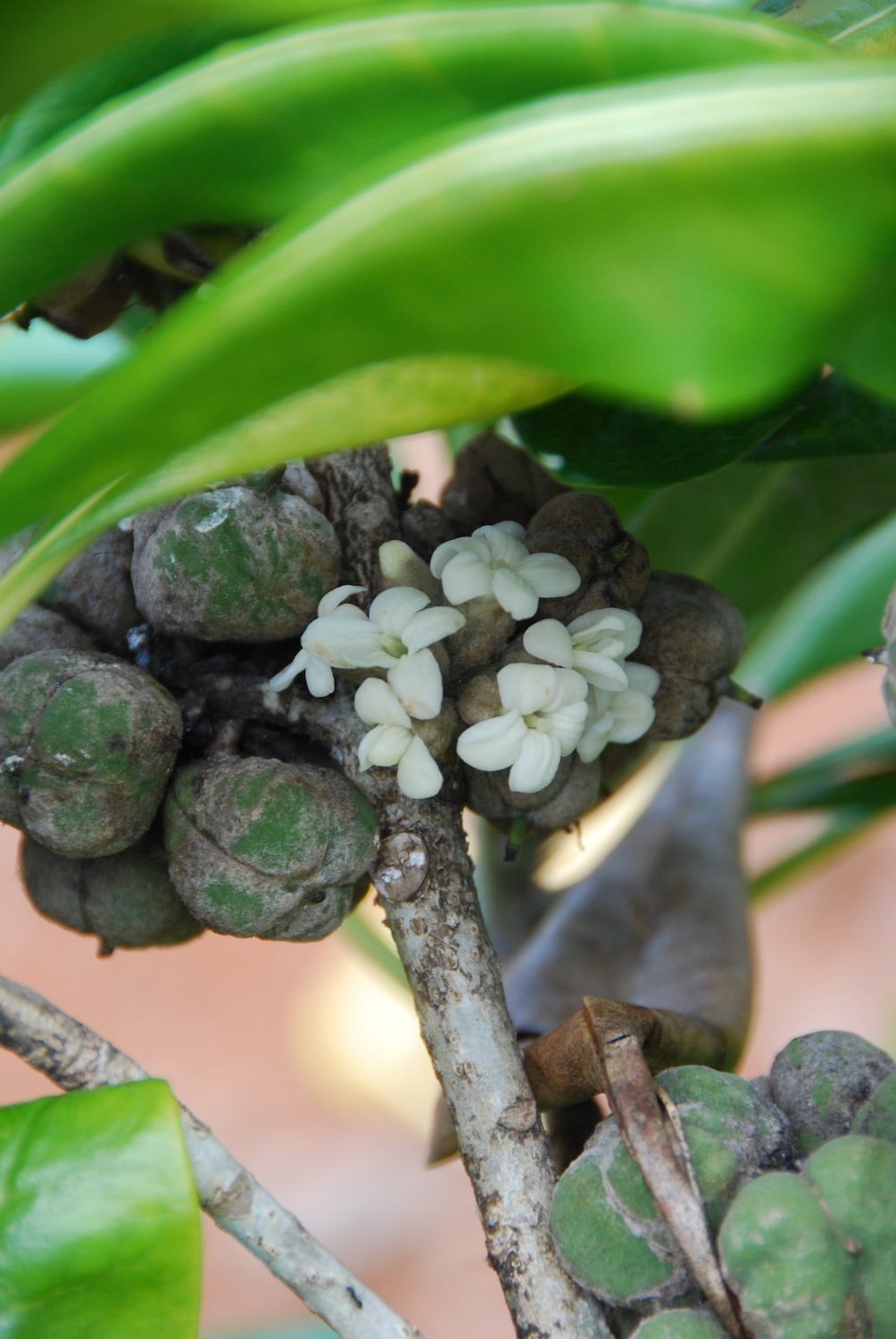
By Vern Fannin
In traditional Hawaiian canoe making, the wood of the hōʻawa has been used for gunwales. Additionally, the hōʻawa nut, where the seeds of the plant can be found, are known to be a favorite food of the ʻalalā, the Hawaiian crow.
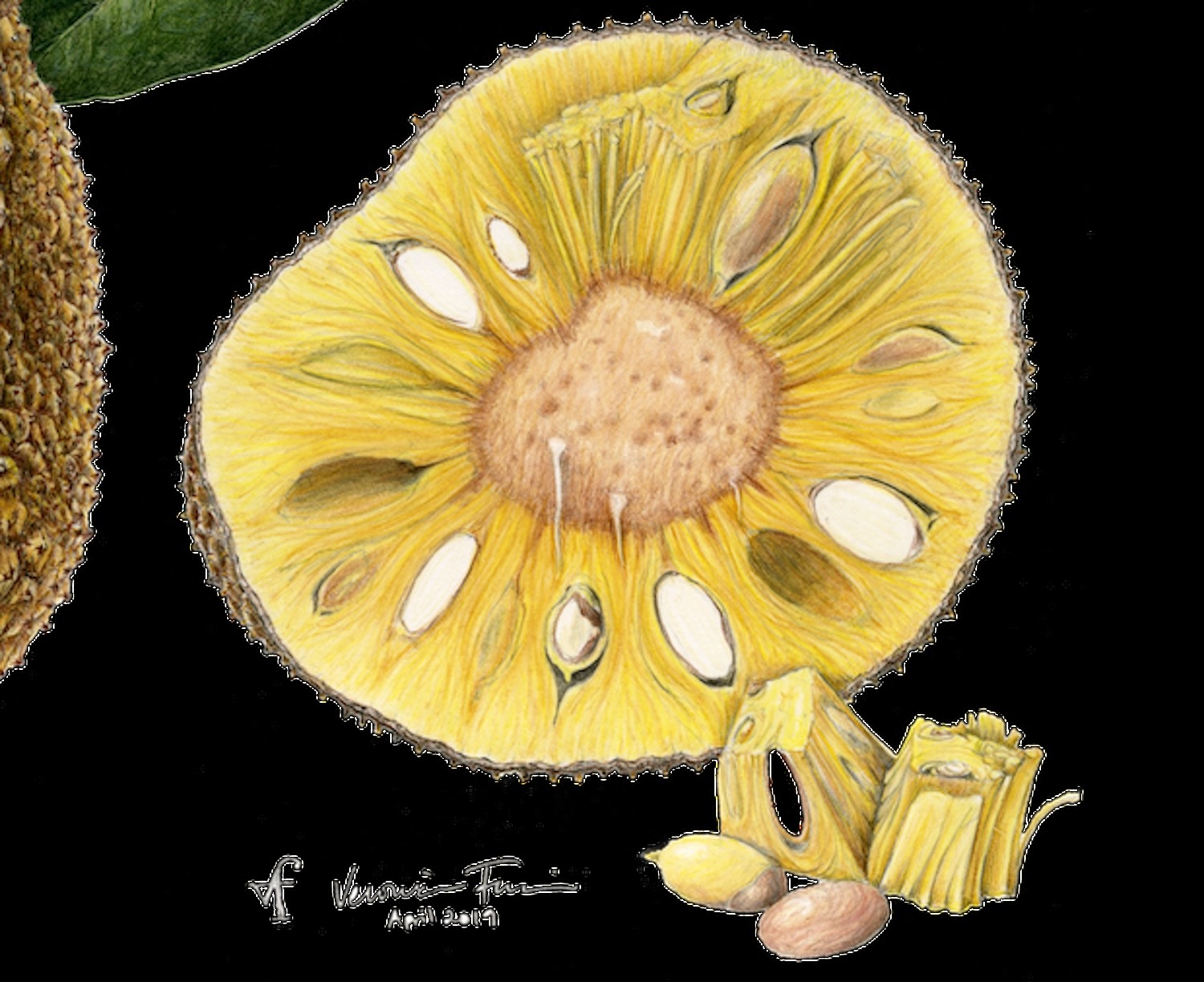
By Vern Fannin
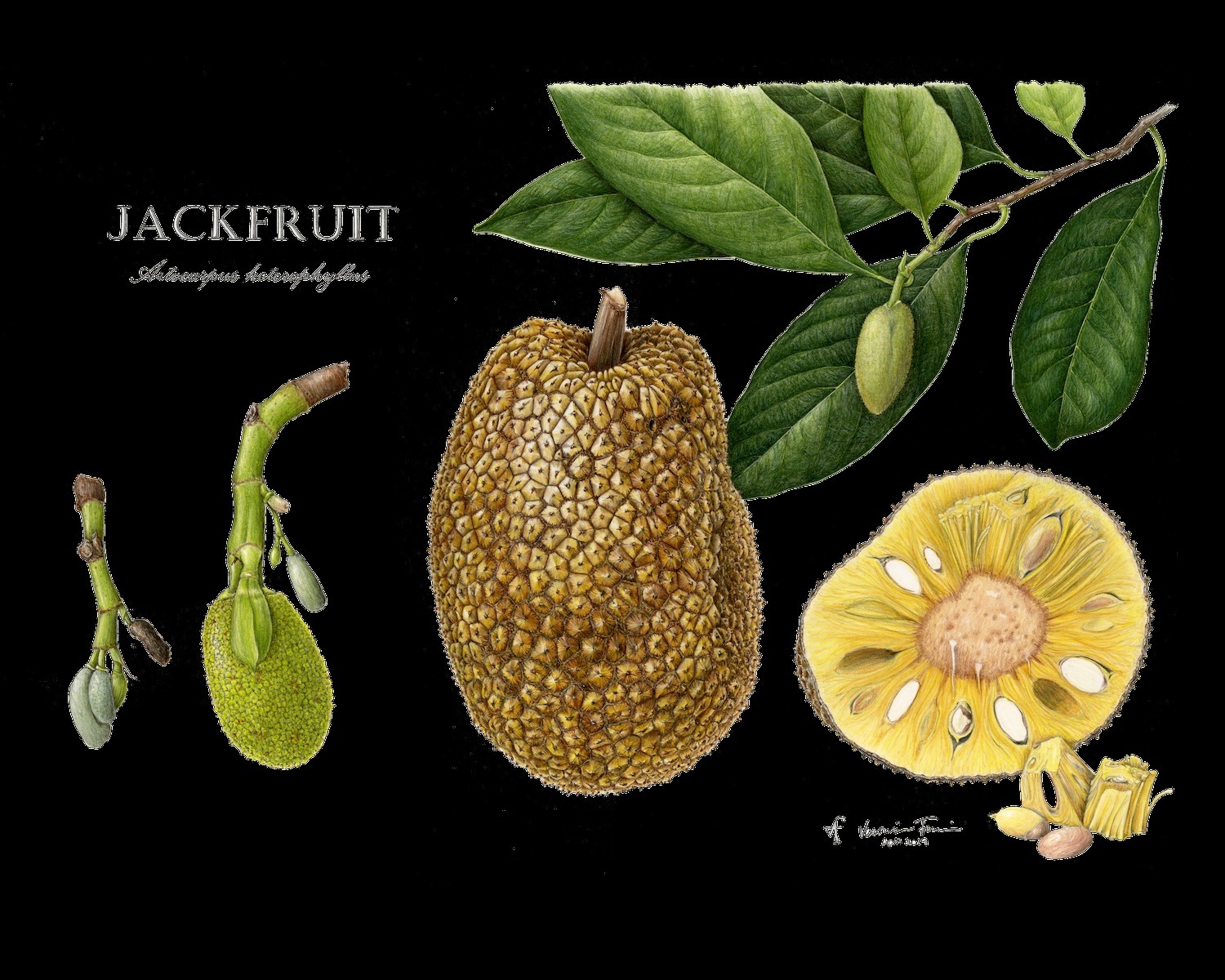
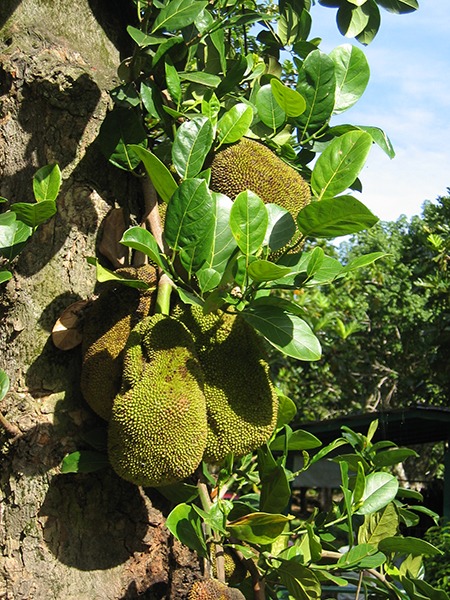
Jackfruit is an incredibly nutritious food, being sweet enough to be eaten as a desert when ripe, or even used as a meat replacement. The jackfruit can weigh up to 120 pounds and a single tree can produce up to 200 jackfruits a year, making it a great source of food.
By Esther Carpi
Entada reheedii, or African dream herb, is used in traditional medicine. In South Africa, the plant was used to induce a dream state that was believed to bring the person into communication with their ancestors. While it is not the longest legume in the world, the seed pods can reach up to 6.5 feet in length!
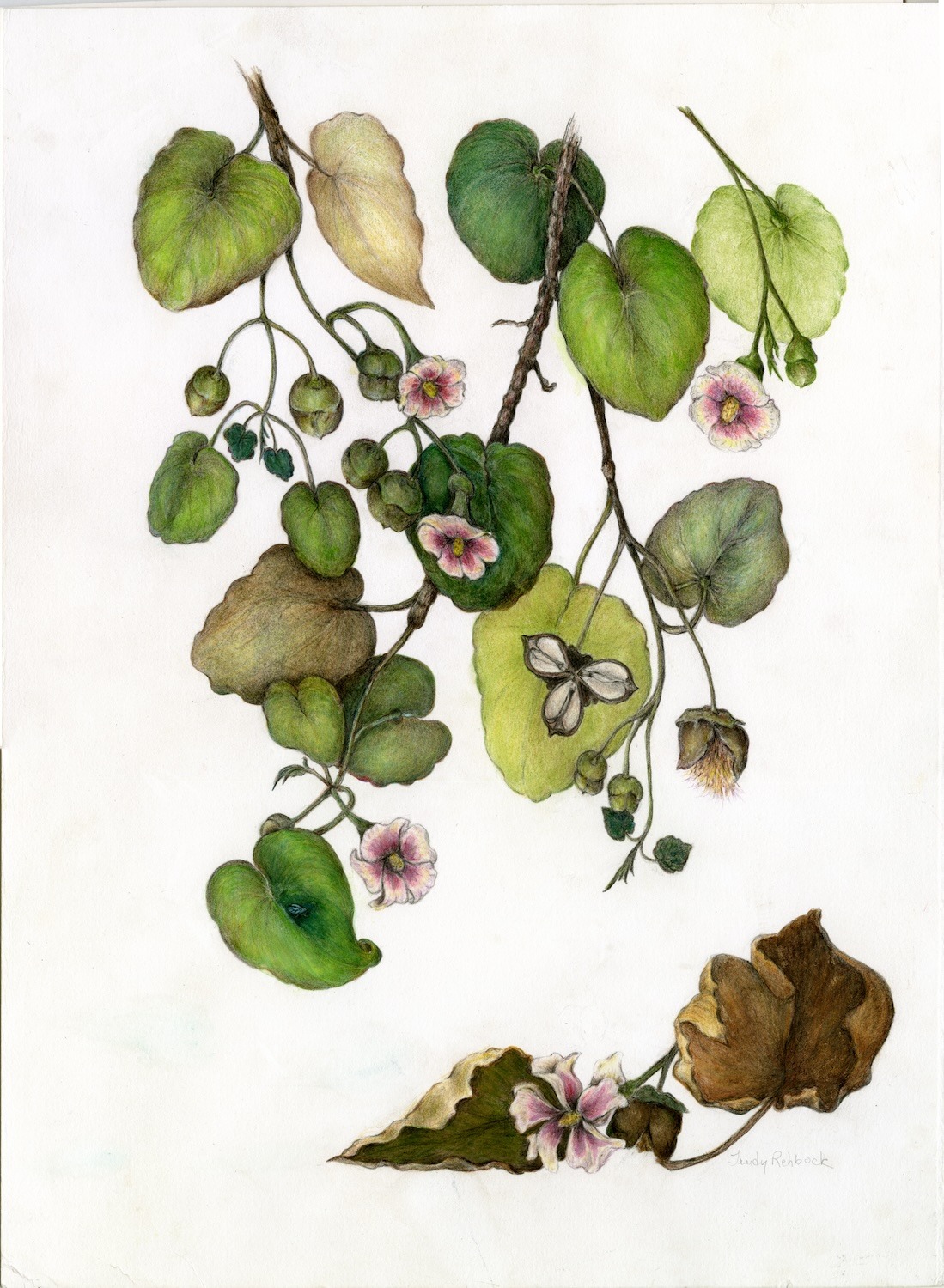
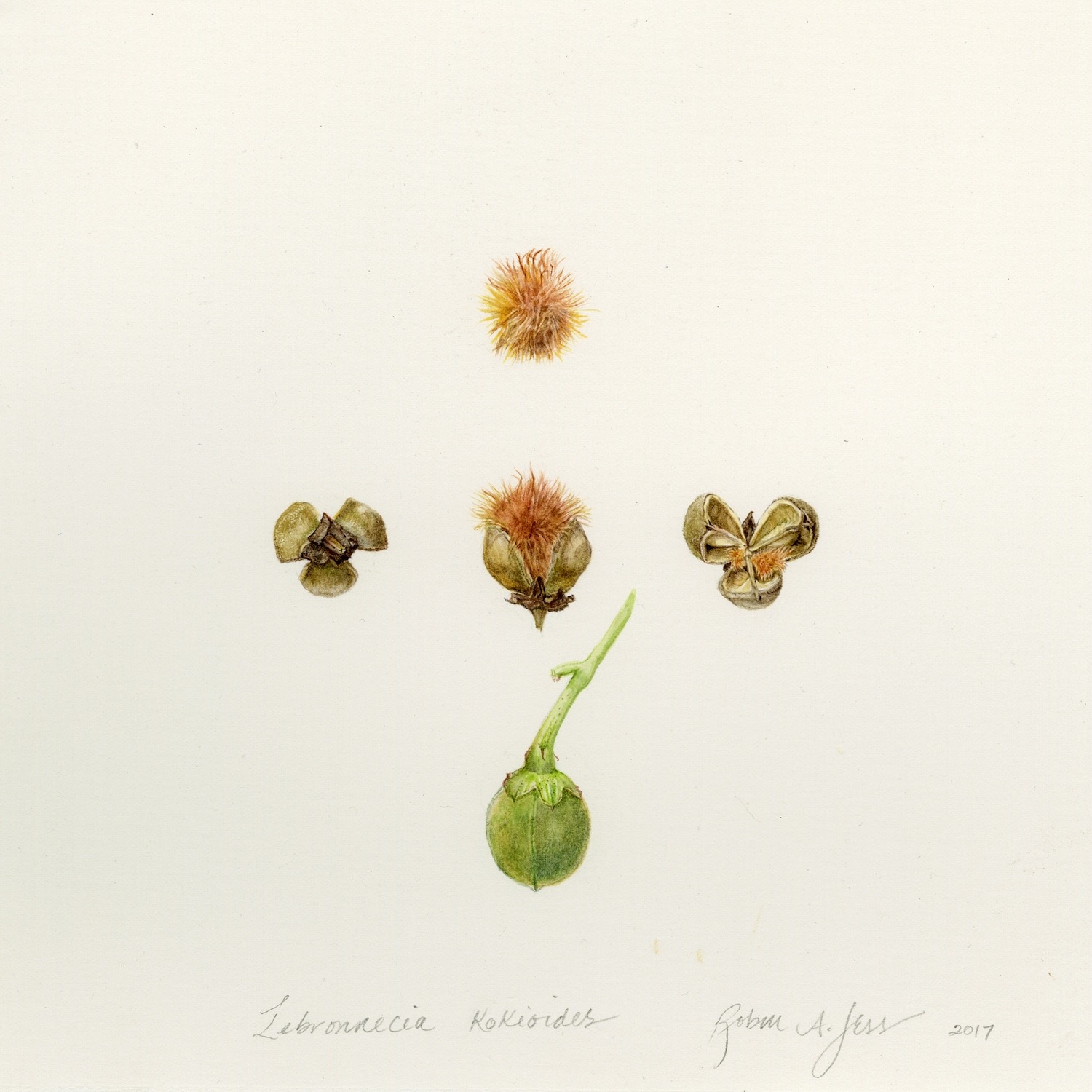
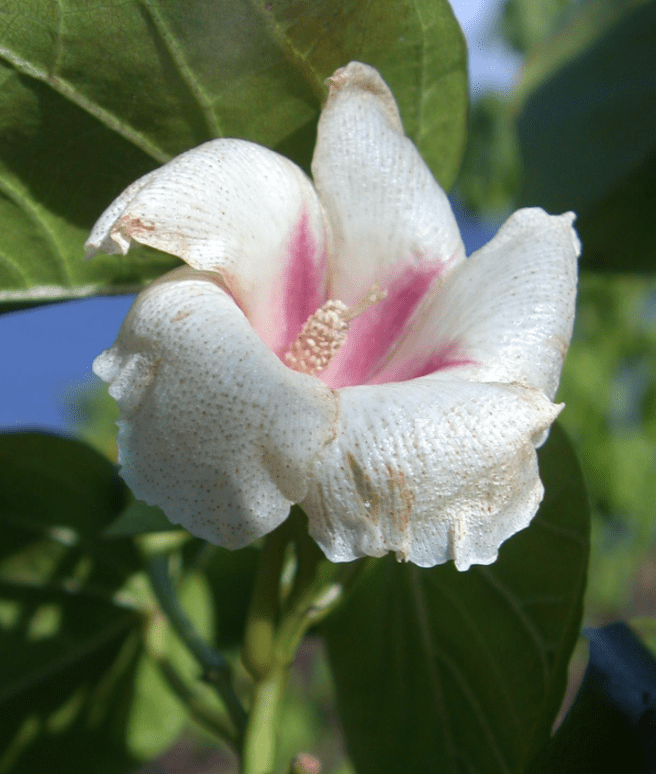
By Trudy Rehbock and Robin A. Jess
Fautea is an incredibly rare plant, found only on a handful of islands in French Polynesia. Dr. Seana Walsh, Conservation Scientist and Curator of Living Collections at NTBG, has recently been awarded a grant to further study the endangered fautea. Her research focuses on preservation through seed banking, molecular research, and ex situ conservation. With the number of wild fautea dwindling, conservation work is vital to the preservation of this plant.
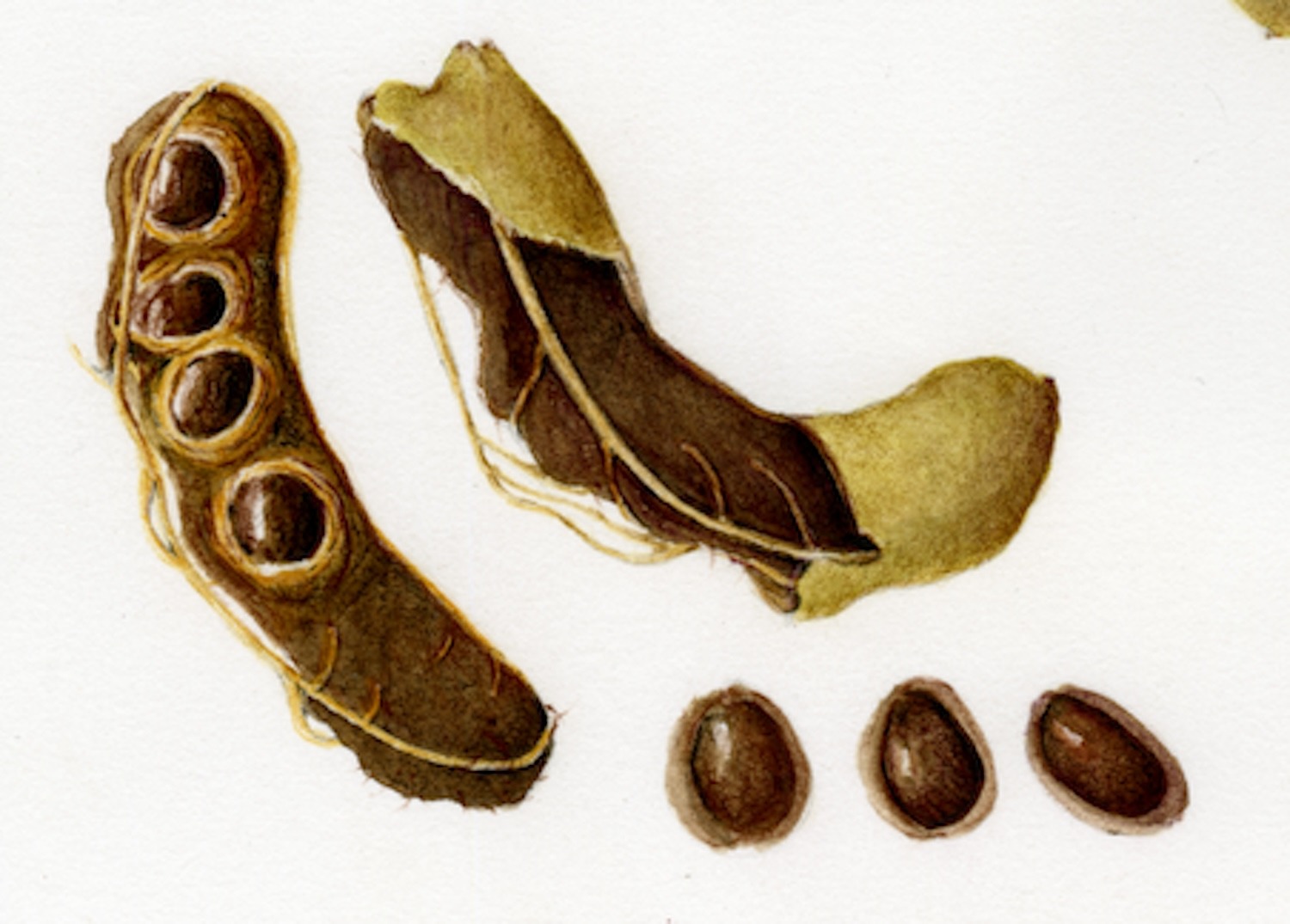
By Esther Carpi
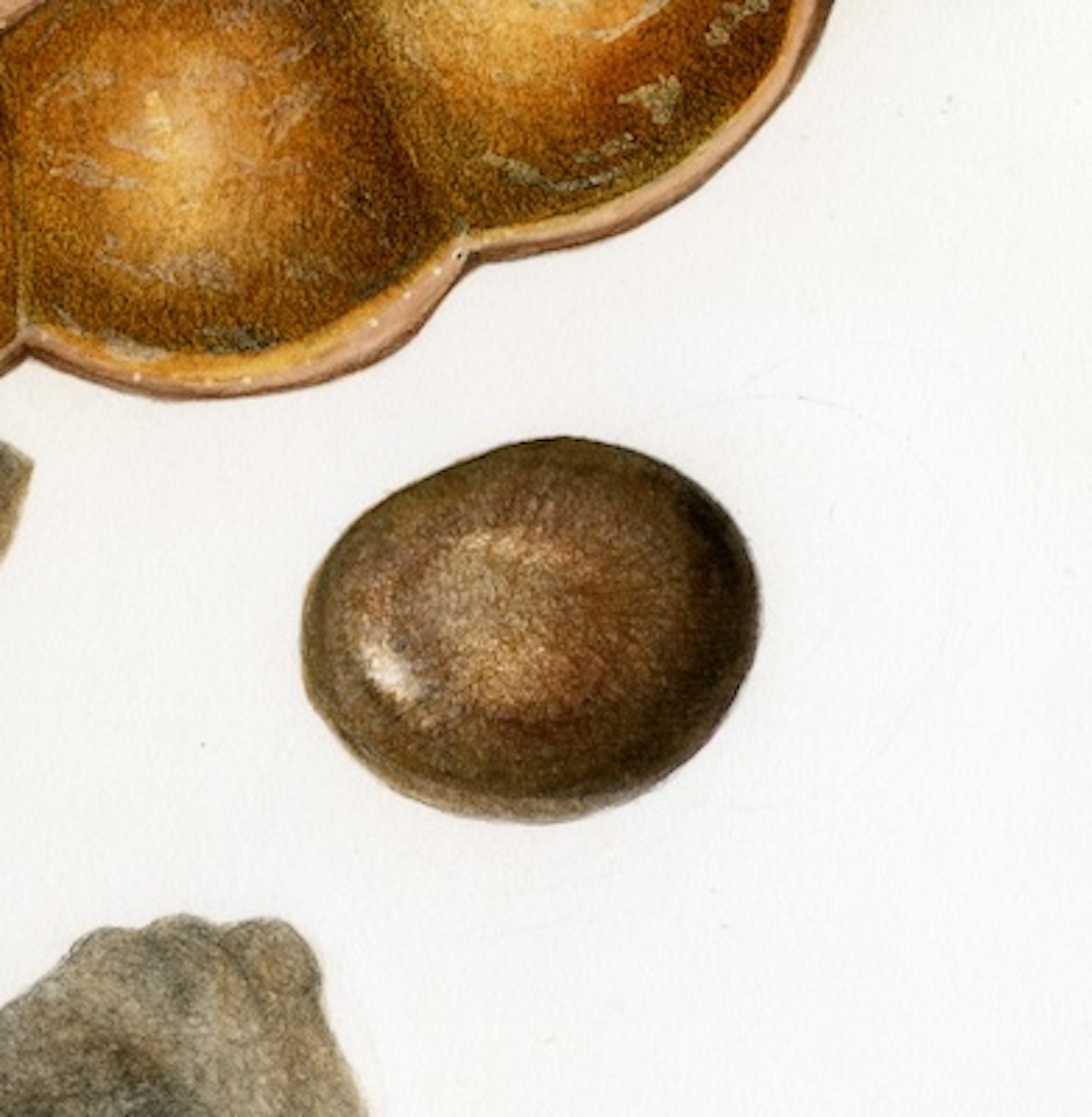
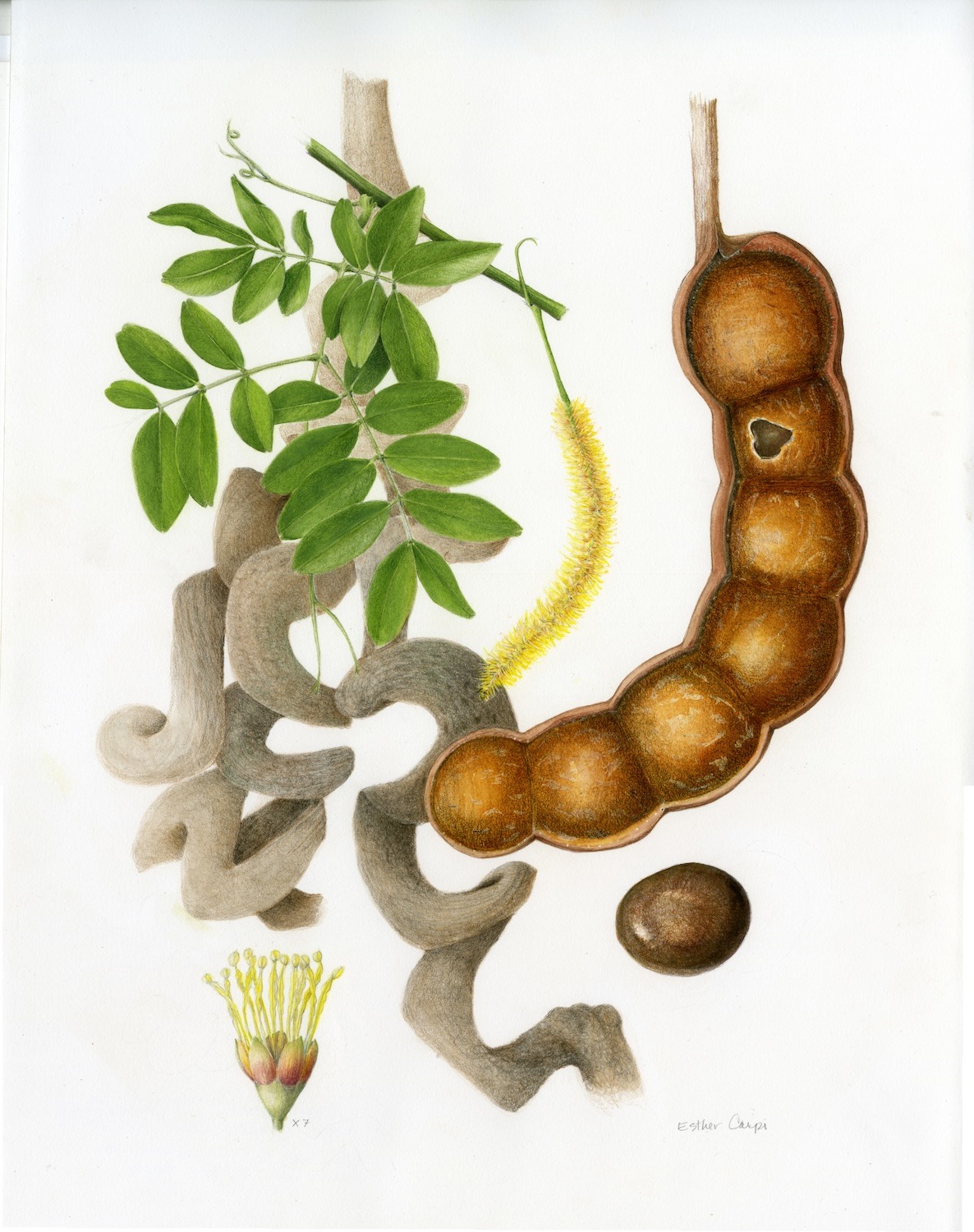
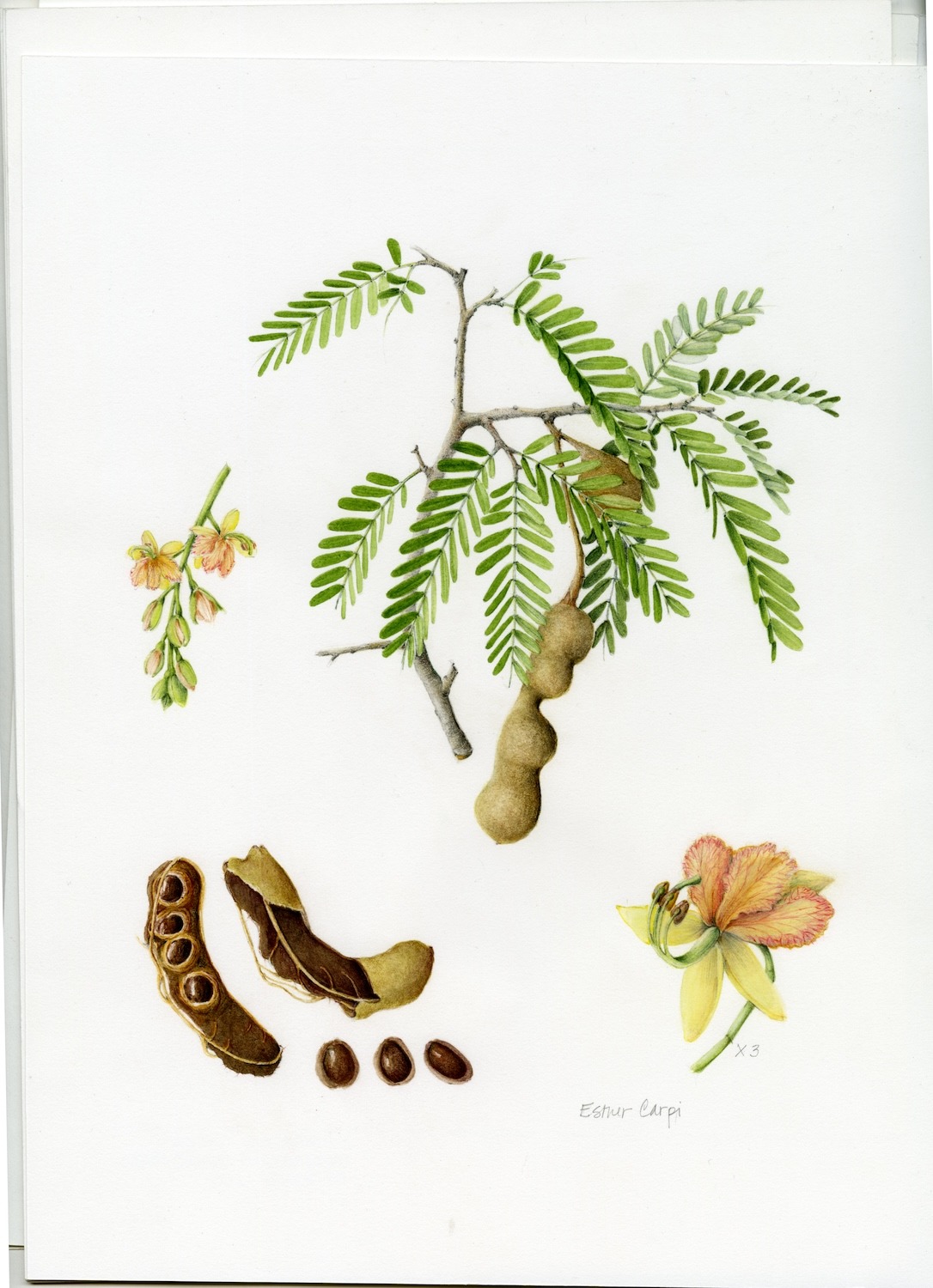
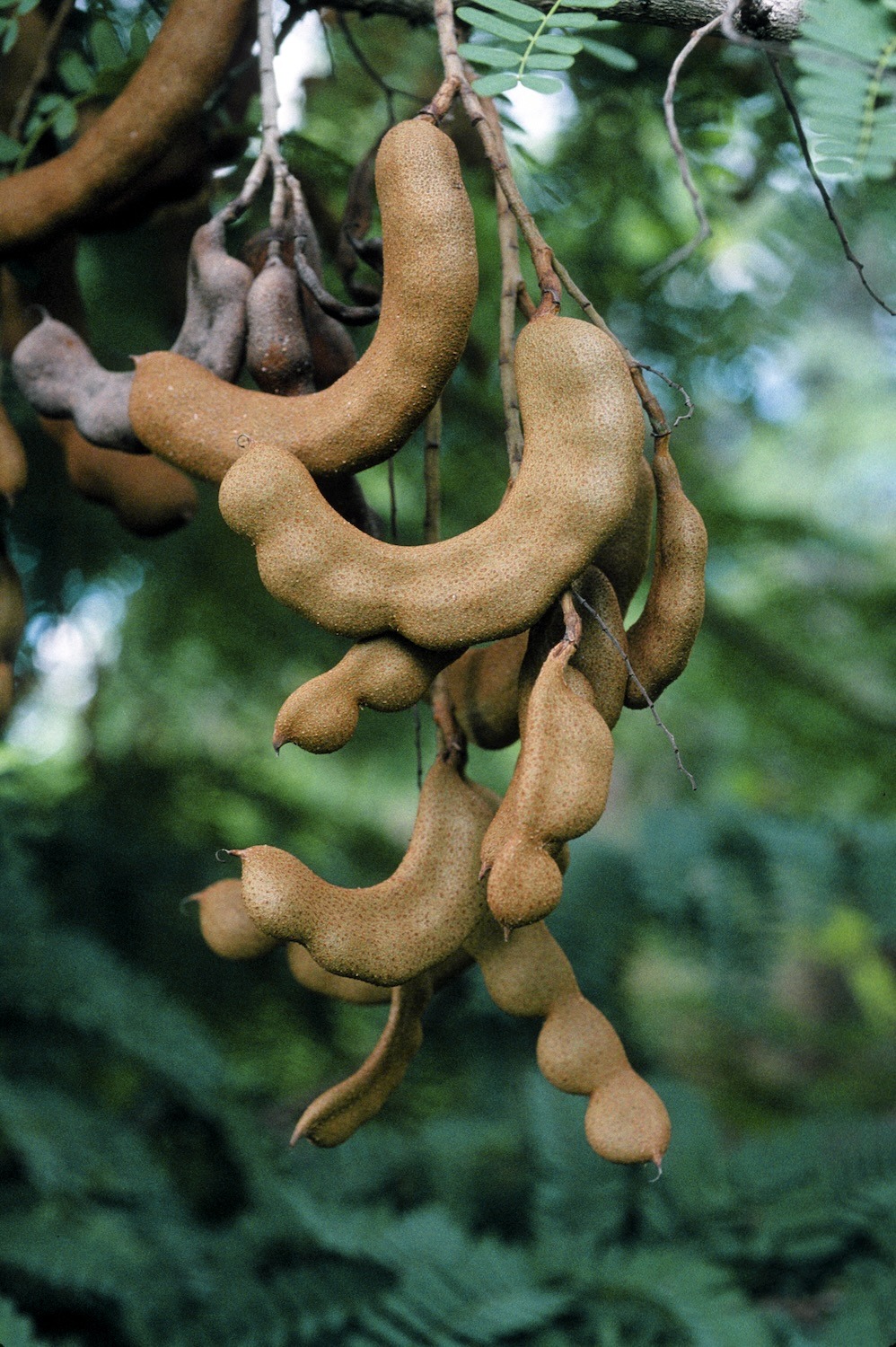
Tamarind is a monotypic plant, meaning that it is the only plant in its genus Tamarindus. Tamarind is grown around the tropical regions of the world, making it a beloved flavor in many different cuisines.
By Wendy Hollender
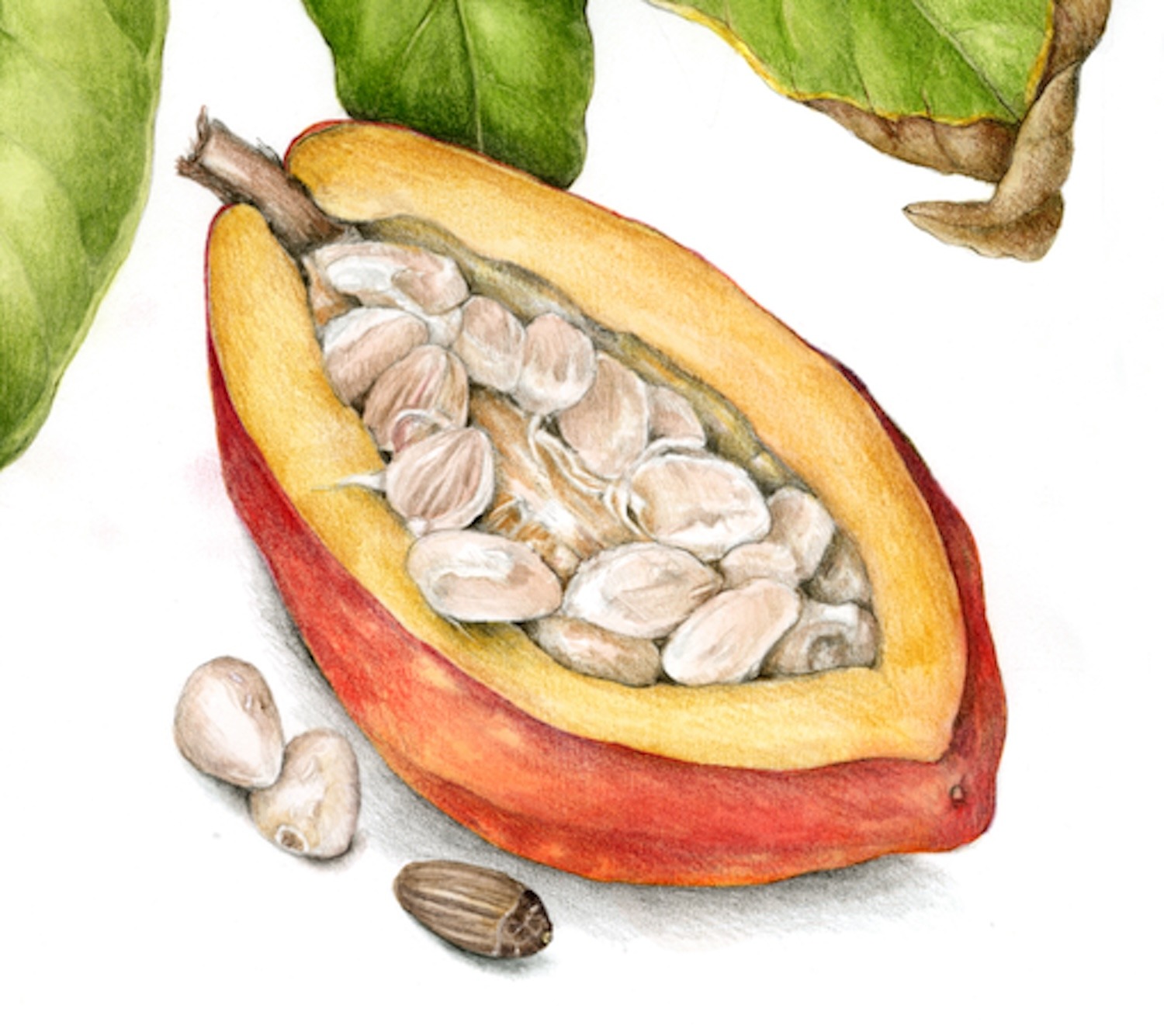
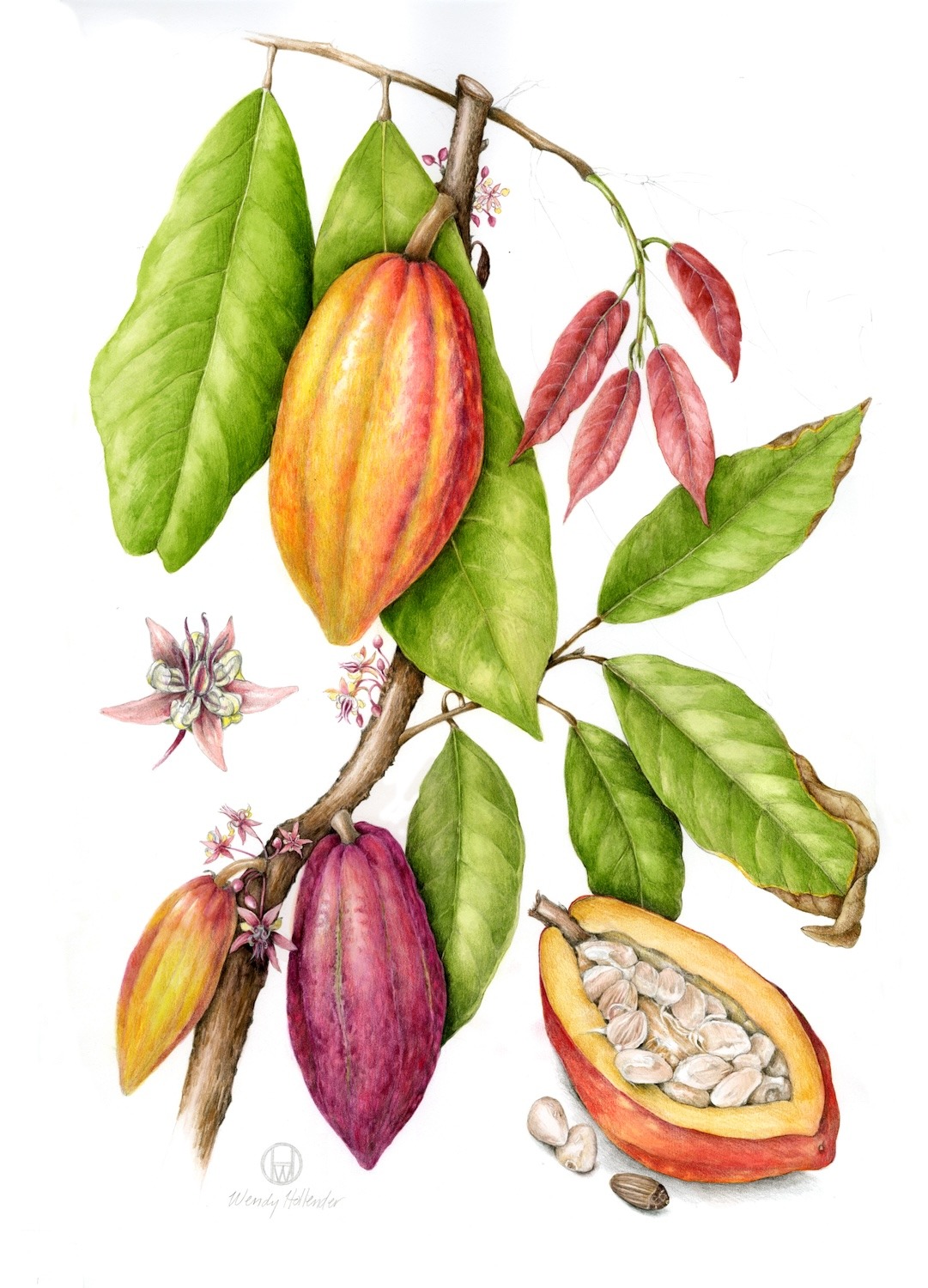
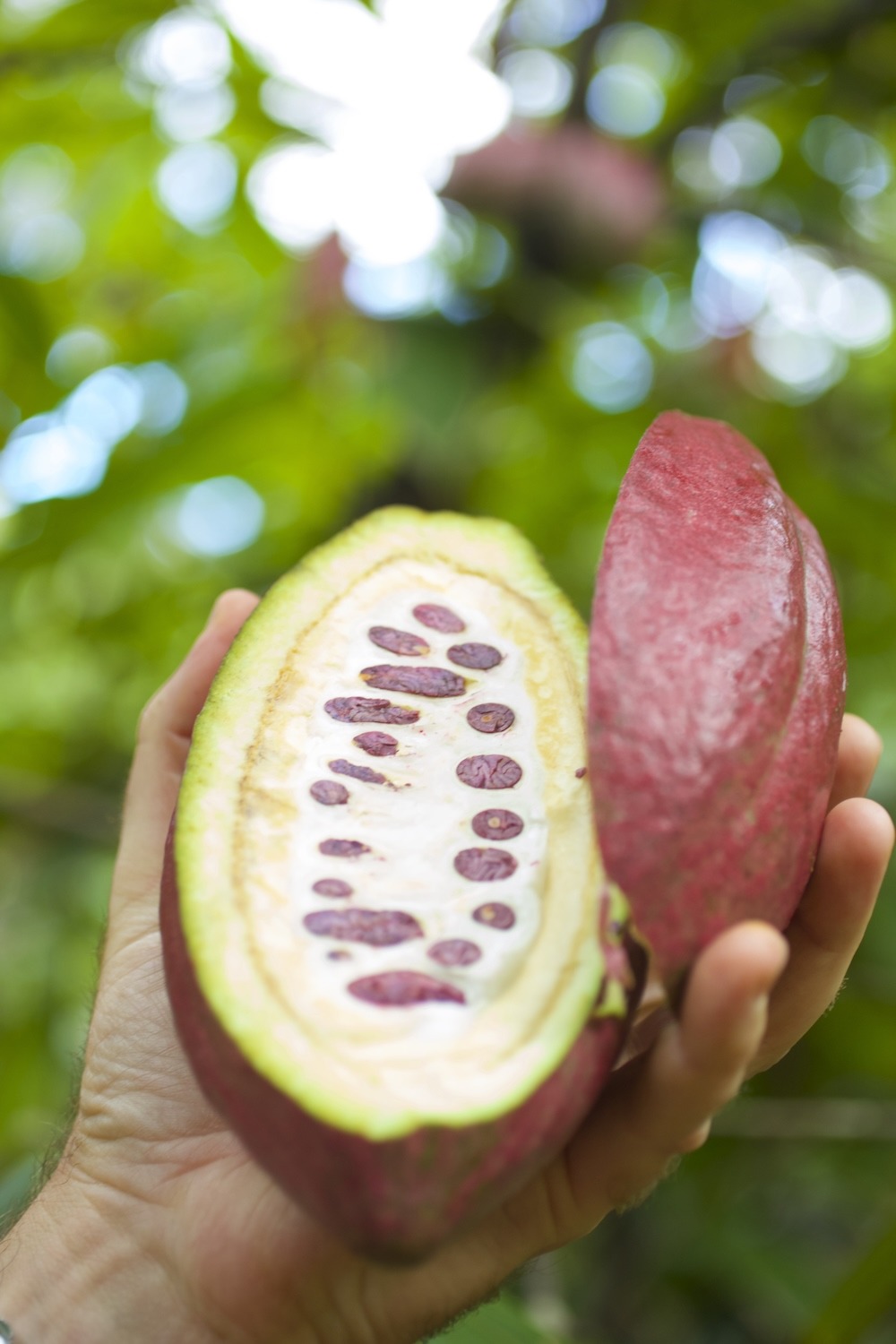
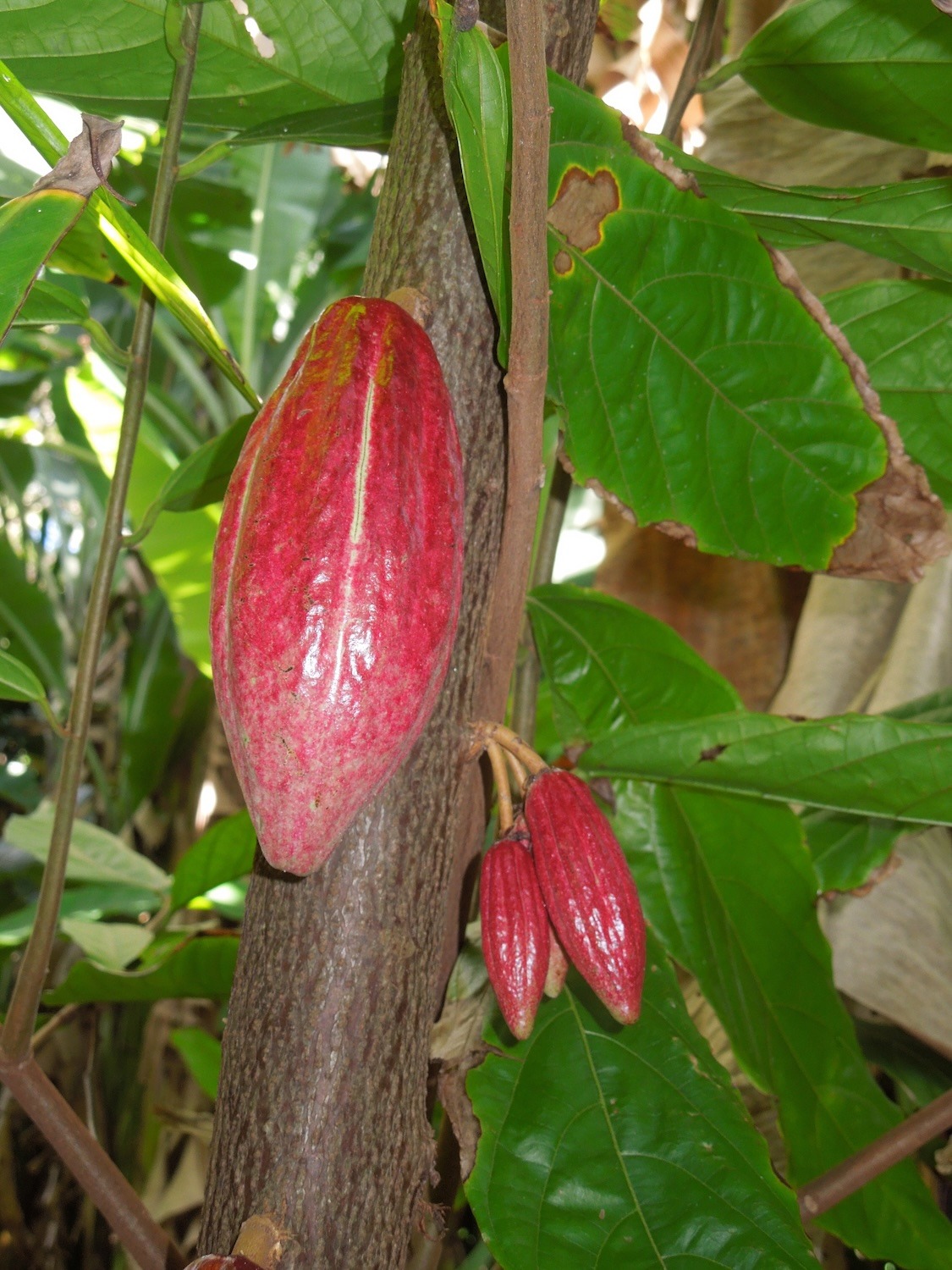
Did you know chocolate comes from a seed? The seeds of cacao, a tropical species native to the Amazon Basin, are used to make one of the world’s favorite foods. The seeds can also be turned into cocoa butter for cooking and moisturizers. The cacao plant prefers growing close to the equator as they need steady, steamy temperatures year round to produce fruit.