.svg)


When we nurture plants, we nurture each other. From a single breadfruit tree capable of feeding a family for decades, to the tropical forests that make our planet habitable, plants sustain all life. That is why protecting plant diversity and supporting the communities who depend on them are one mission. It’s this biocultural approach that builds a thriving future for the places we love.
Thanks to partners like you, that mission came alive across all of our gardens and preserves this past year. We connected over 90,000 guests to tropical plant life and engaged thousands of learners of all ages — from curious children arriving on field trips to interns taking their first steps toward careers in plant conservation. In our Limahuli and Kahanu preserves, we replaced invasive species with thousands of native plants, rebuilding vital webs of life that nourish everything from nesting seabirds to the denizens of our freshwater streams.
Our scientific work reached new heights as our team described three new plant species and grew our conservation seed bank past 1.4 million seeds. At the same time, we deepened our community roots: through our Grow Aloha plant adoption program, we placed over 7,500 native plants and Hawaiian heritage crops directly into the hands of our community. At The Kampong, we opened a new exhibit celebrating Miami’s first female physician and South Florida’s deep medicinal traditions. And through a transformative $16 million bequest from the late Judy C. Webb—the largest gift in our history—we took a giant step toward organizational resilience.
None of this happens without people like you who understand that saving plants means sustaining life. Thank you for helping us grow a brighter tomorrow for plants and all they make possible.
Mahalo nui loa,
NTBG, Chair
President and Chief Executive Officer
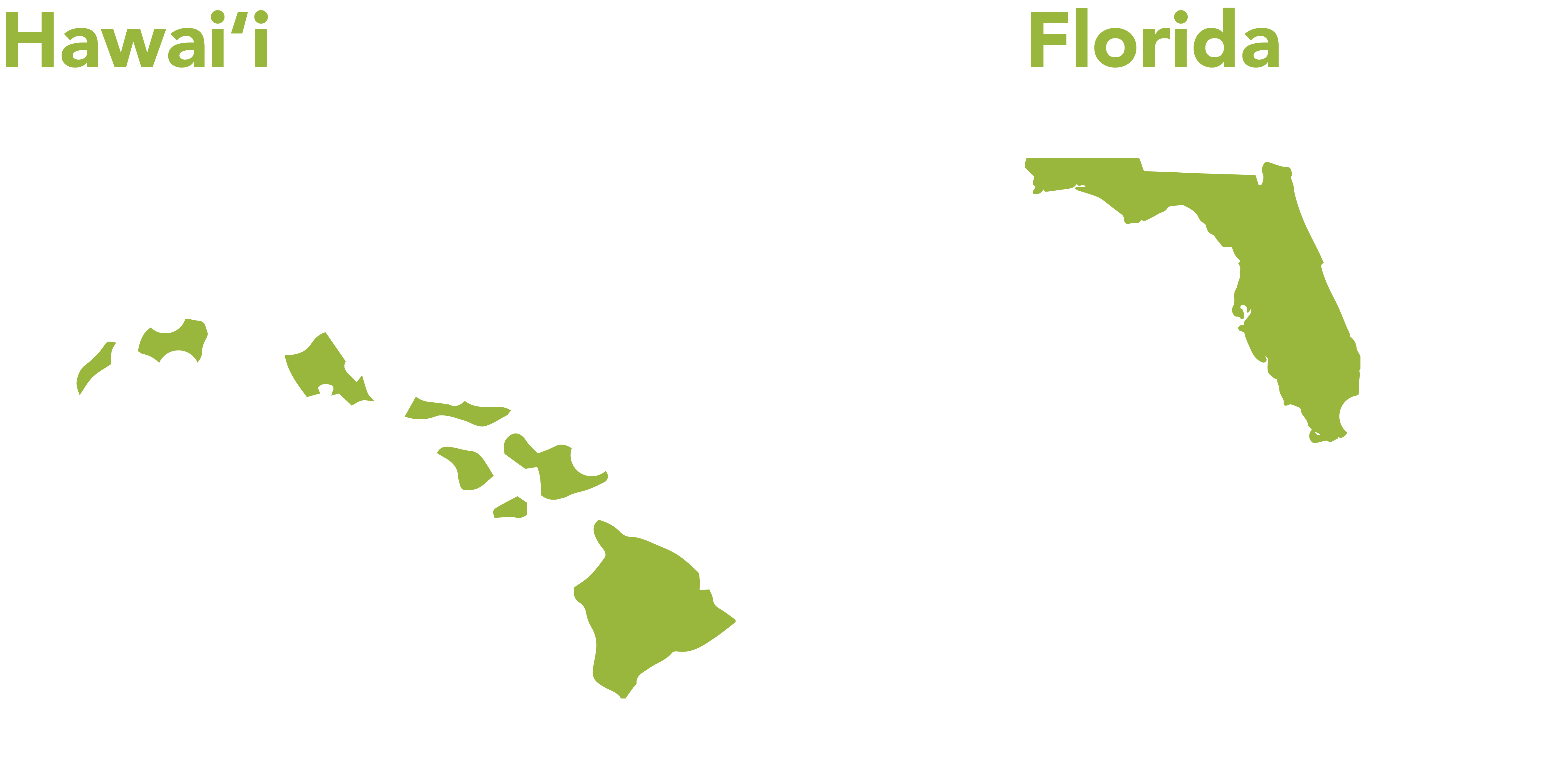
Located in Hawaiʻi and Florida, NTBG works across five botanical gardens and throughout the tropics to grow a brighter tomorrow for plants and all they sustain. We do so through a biocultural approach, where Indigenous knowledge, community priorities, and scientific research guide our path forward. NTBG was established in 1964 and is the only botanical garden chartered by the United States Congress. NTBG is a 501(c)(3) nonprofit corporation: we are not operated or subsidized by the federal government, and we rely on the much-appreciated support of members and donors like you to fulfill our mission.
Plants, people, and places flourishing together
NTBG’s biocultural approach brings together Indigenous knowledge, cutting-edge science, and our communities to make lasting conservation impacts. We aim to honor, learn from, and help protect those relationships for future generations of plants and people.
Limahuli’s Riparian Ecosystem
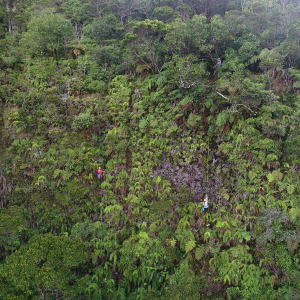
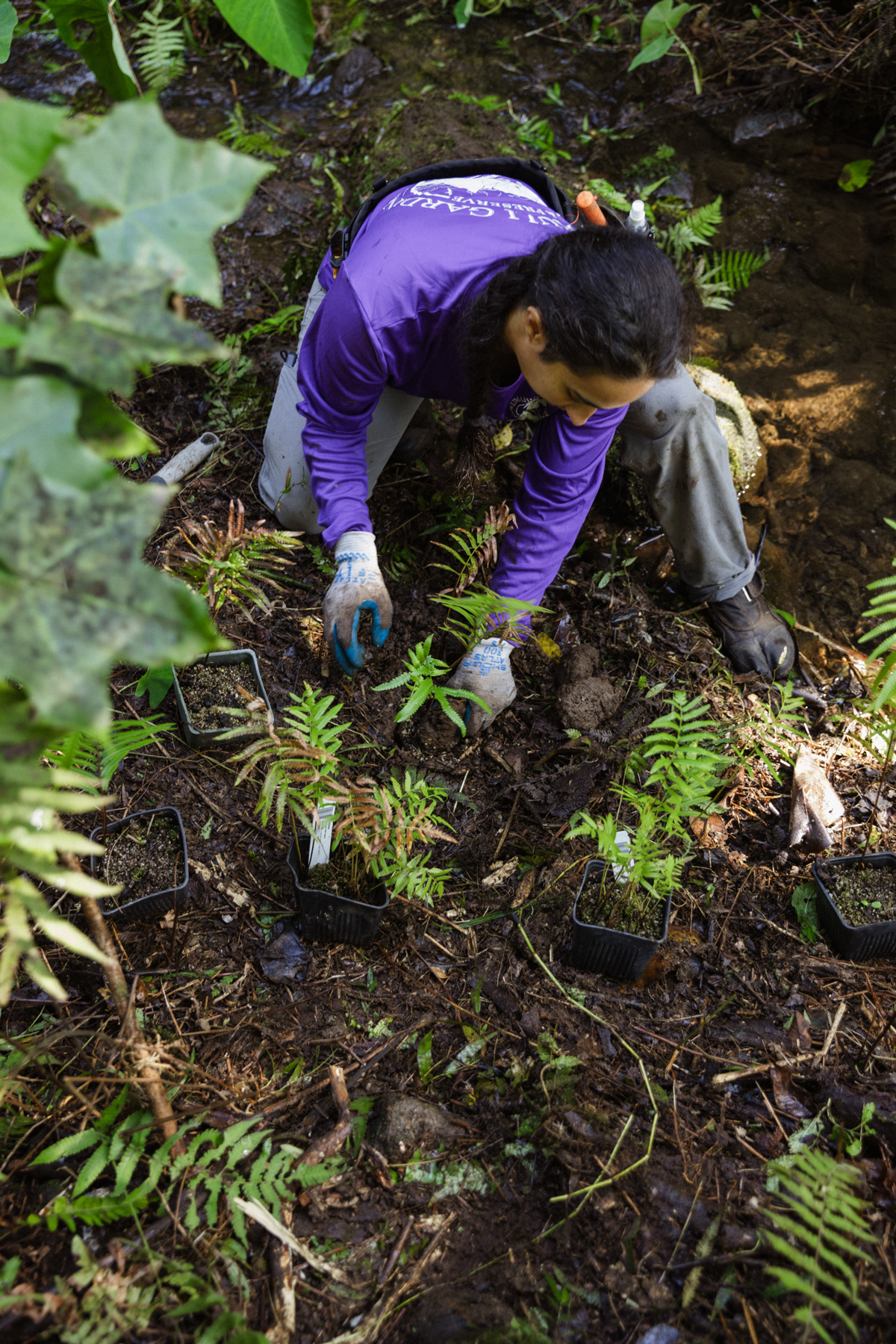
We have launched an intensive, three-year restoration project along a vital tributary of the Limahuli Stream. By clearing aggressive invasive plants and establishing resilient native species like māmaki and neke fern, our team is successfully stabilizing the watershed and breathing new life into this critical freshwater habitat. This effort not only accelerates the recovery of rare biodiversity but ensures a healthier, flowing ecosystem.
Pollen Banking
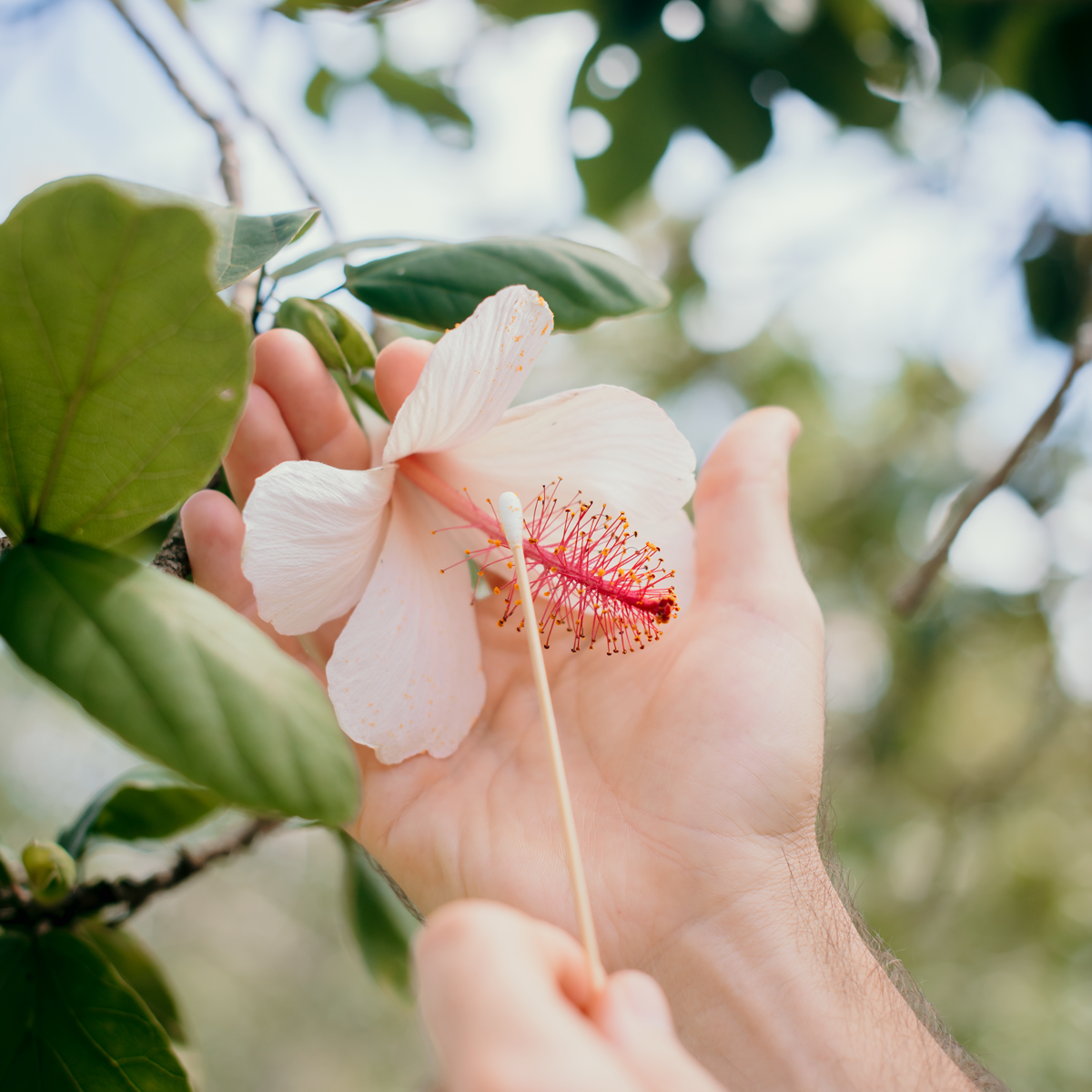
We continued to pioneer pollen banking for plant conservation, working with endangered plants like nānū (Gardenia remyi) and hōlei (Ochrosia kauaiensis). By storing pollen, we can ensure that we can pollinate rare plants at just the right moment.
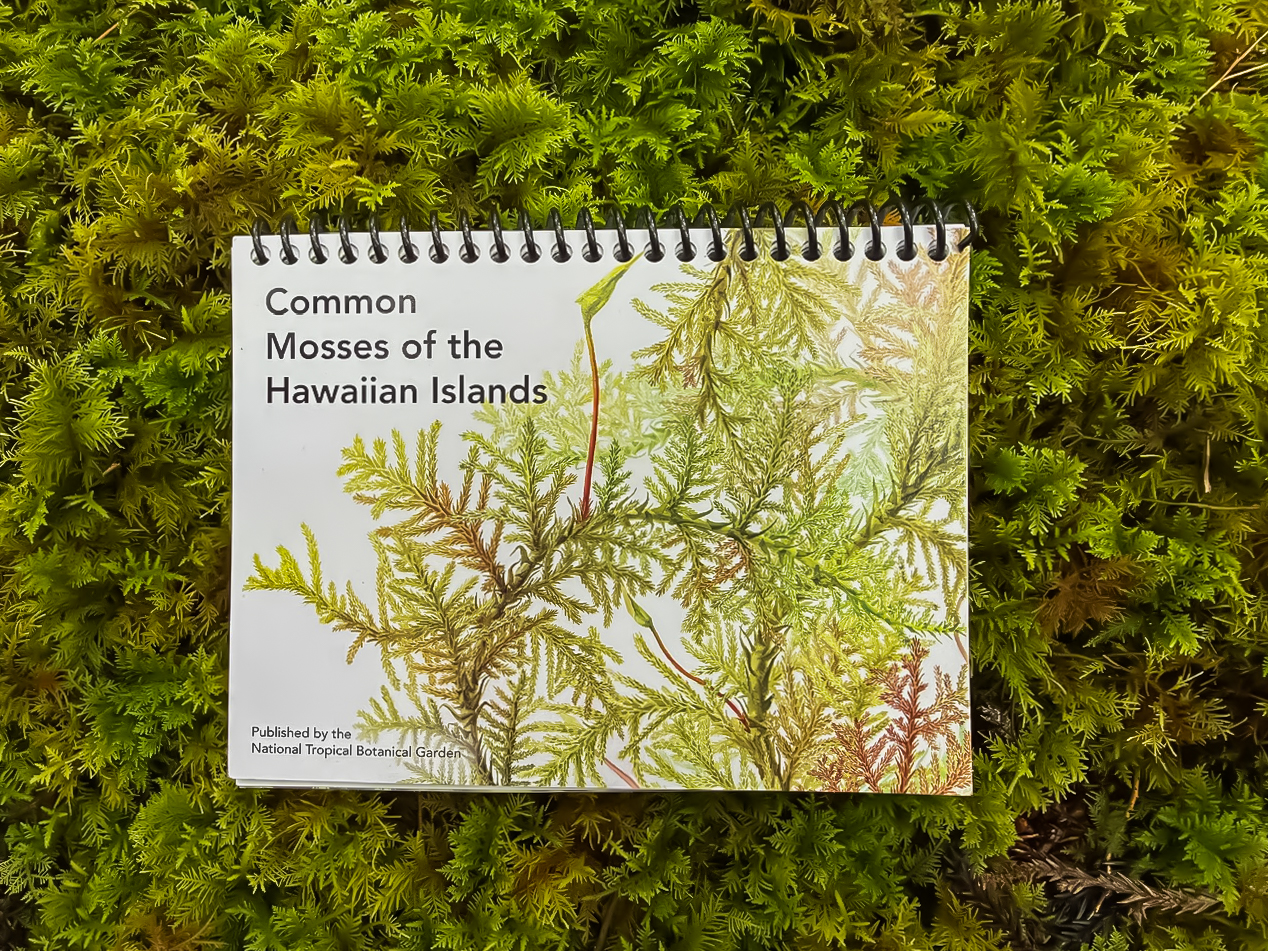
Moss Guide published
Hawaiʻi is home to an incredible diversity of mosses, and our team has just published the perfect companion to help you explore them! Common Mosses of the Hawaiian Islands is a portable pocket guide covering 40 unique species and species groups. Richly detailed with exquisite photographs and botanical illustrations, this guide helps ensure Hawaiʻi’s incredible native mosses are overlooked no longer.
“In this urgent moment for biocultural conservation, we stay optimistic and forward-thinking by developing innovative tools that improve our efficiency and scale up our ability to prevent extinctions. Because no single group can save biodiversity alone, we move forward with humility, knowing that the best opportunities for impact are rooted in collaboration.”
— Dr. Tiffany Knight, Director of Science and Conservation
6
endangered fern species propagated in our Fern Lab, representing thousands of individual gametophytes
3
new plant species described, including Peperomia kauaiana, Geniostoma image, and Lysimachia barcae
1,456,052
seeds added to our conservation seed bank
2K+
plants added to Limahuli and Kahanu preserves
Growing a brighter tomorrow together
We aim to steward diverse, flourishing gardens that offer greater connection to the world of tropical plants and support conservation efforts at the same time. Flourishing botanic gardens inspire a love of plants and critically support our biocultural conservation efforts.
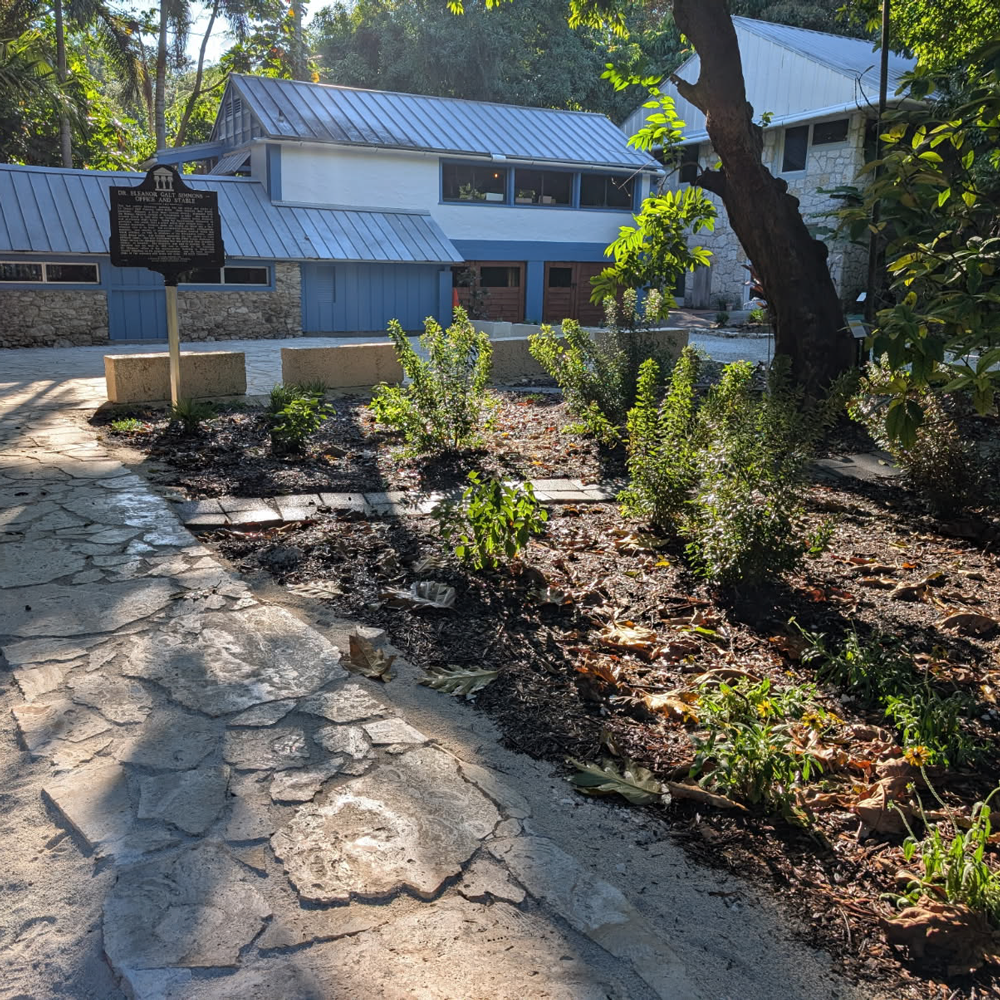
Dr. Galt Simmons Exhibition and Medicinal Garden
Last fall at The Kampong we unveiled an exhibit and medicinal garden honoring Dr. Eleanor Galt Simmons, Miami-Dade County’s first female physician who lived and practiced on the property. The exhibit spotlights her incredible story and the medicinal traditions of Florida’s Indigenous peoples, Bahamian migrants, and early settlers.
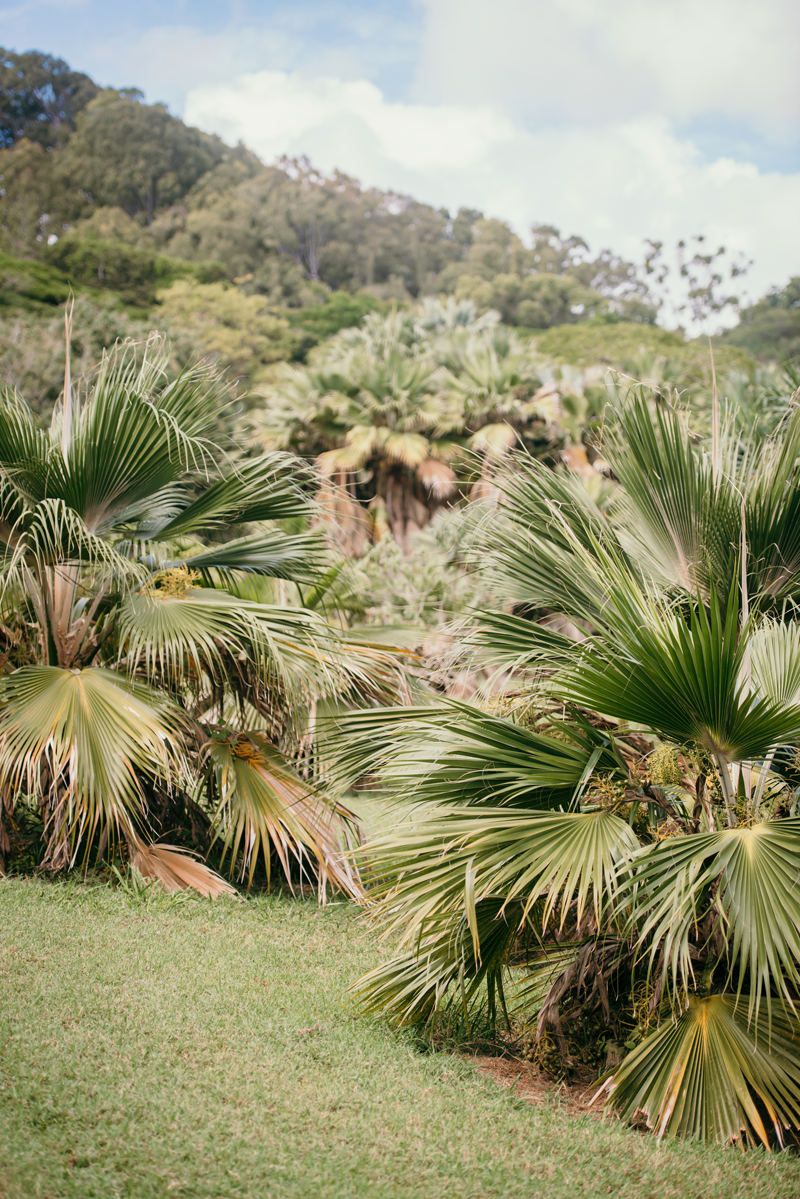
Loulu conservation in living collections
We steward the world’s largest and most diverse collection of loulu, Hawaiʻi’s only native palms, with nearly all species represented and more than 700 trees in McBryde Garden alone. This living collection offers a vital seed bank, research library, and source of material for outplanting and institutional sharing, including more than 600 seeds sent to partner institutions in the past year. When the coconut rhinoceros beetle arrived in the Lāwaʻi Valley in early 2024, NTBG staff mobilized rapidly — deploying detection traps, protective netting, conservation dogs, and drone-applied treatments — to defend a collection that cannot be replicated anywhere else on earth.
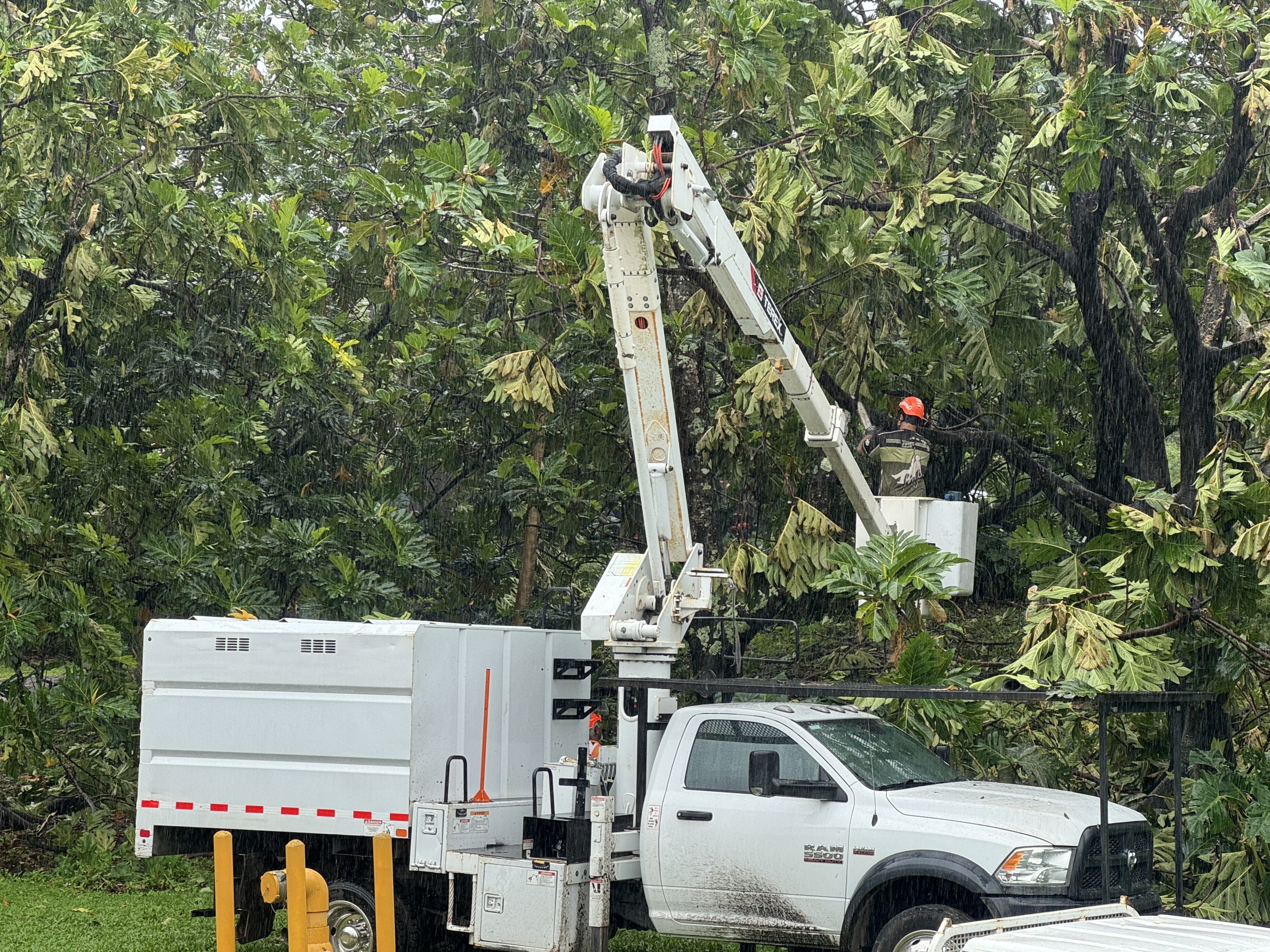
Storm Recovery at Kahanu Garden & Preserve
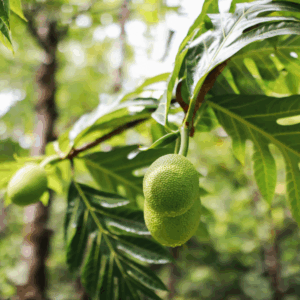
When a Kona low battered the Hāna coast with 70-mph winds and 30 inches of rain this spring, Kahanu Garden’s living collections and facilities were severely impacted. But because of the generosity of donors like you, the tireless dedication of our staff, and support from the Hāna community, the garden is flourishing again. We raced to save rare trees—including the toppled ‘Blo Toki’ breadfruit—and cleared massive debris, turning a natural disaster into a story of recovery.
“Over the past year, Limahuli’s horticultural team strengthened our role in biocultural conservation by expanding native Hawaiian plant collections, advancing olonā conservation efforts through collections from new localities, refining propagation techniques, and improving planting protocols. We expanded nursery operations and enhanced biosecurity through the development of a comprehensive pest prevention plan, implementation of strengthened plant quarantine procedures, and improved monitoring for invasive species threats such as Coconut Rhinoceros Beetle and Little Fire Ant. Another key milestone this year was the expansion of staff expertise through professional development opportunities spanning arboriculture, biosecurity, pest management, ecological monitoring, cultural plant knowledge, and public garden leadership, further strengthening our capacity to steward our living collection according to the highest horticultural, conservation, and biocultural standards.”
— Randy Umetsu, Senior Horticulture Specialist at Limahuli Garden & Preserve
4,379.51
pounds of produce harvested from the Regenerative Organic Breadfruit Agroforest and donated to food banks and staff
21
breadfruit varieties duplicated at Kahanu Garden, ensuring these rare and vulnerable crops are preserved
50,000
accessions have been reached in our Living Collections this year! These are plants documented across all of our gardens that offer cultural connection and a lifeline for species conservation
Cultivating the next generation of plant advocates
To encourage people to support and care for plants, we need to help them better understand and appreciate plant life. Our goal is to deepen people’s understanding of and empathy towards plants, raising awareness about the critical need to protect rare and endangered species. In our continuous efforts to deepen people’s relationship with plants through education and public engagement, we have undertaken these initiatives across our gardens:
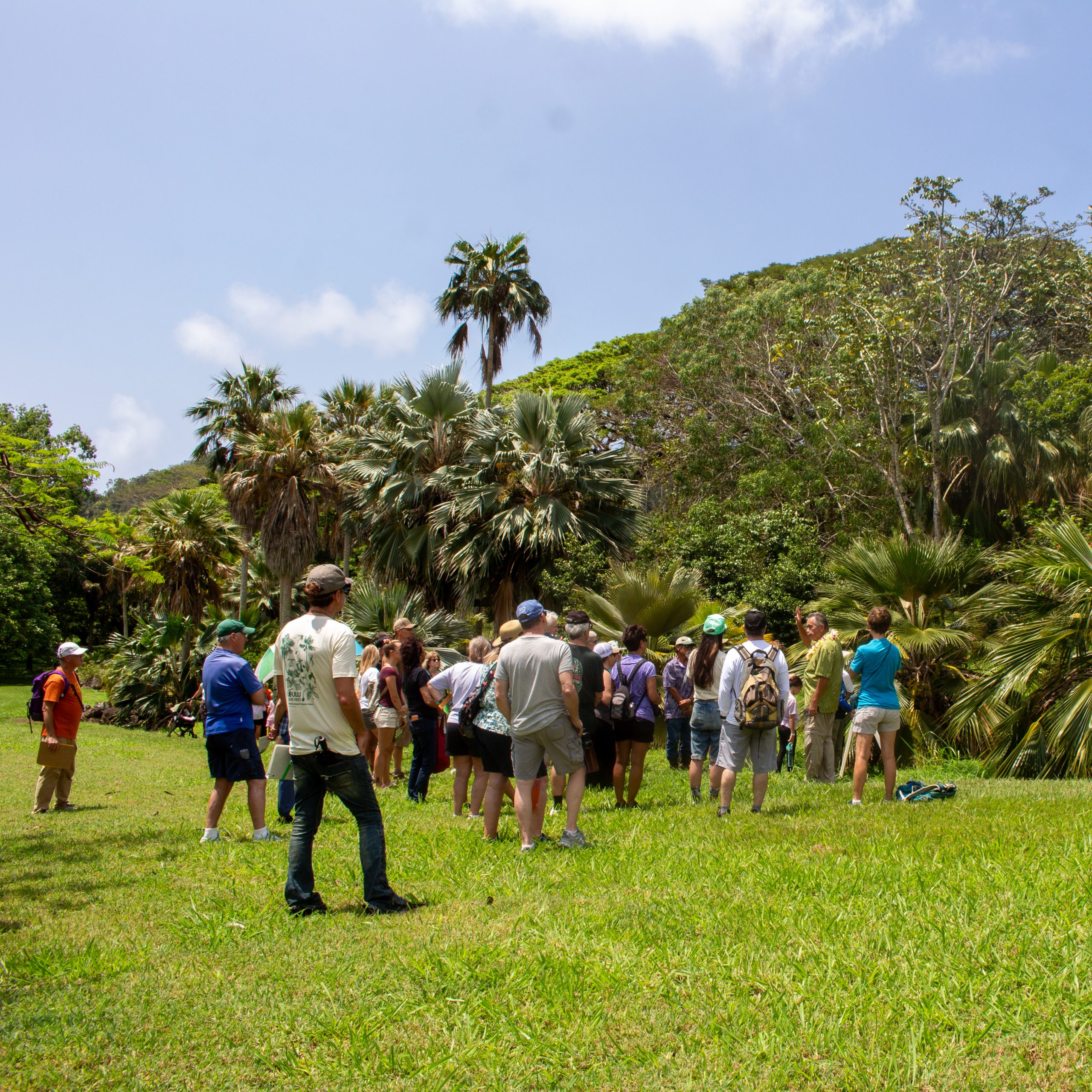
Plant festivals
Across our Hawaiʻi gardens, major community festivals brought people together around plants at the heart of Hawaiian culture and conservation. At Kahanu Garden, the ʻUlu Cookoff — now in its 23rd year — invited the community to celebrate breadfruit through recipes that showcase its culinary depth and cultural significance. Limahuli Garden hosted ʻŌhiʻa Love Fest, spotlighting the beloved ʻōhiʻa tree and mobilizing community awareness around Rapid ʻŌhiʻa Death. And at McBryde Garden, Loulu Love Fest welcomed over 700 attendees to connect with Hawaiʻi’s only native palm and learn how they can help protect it from the coconut rhinoceros beetle.
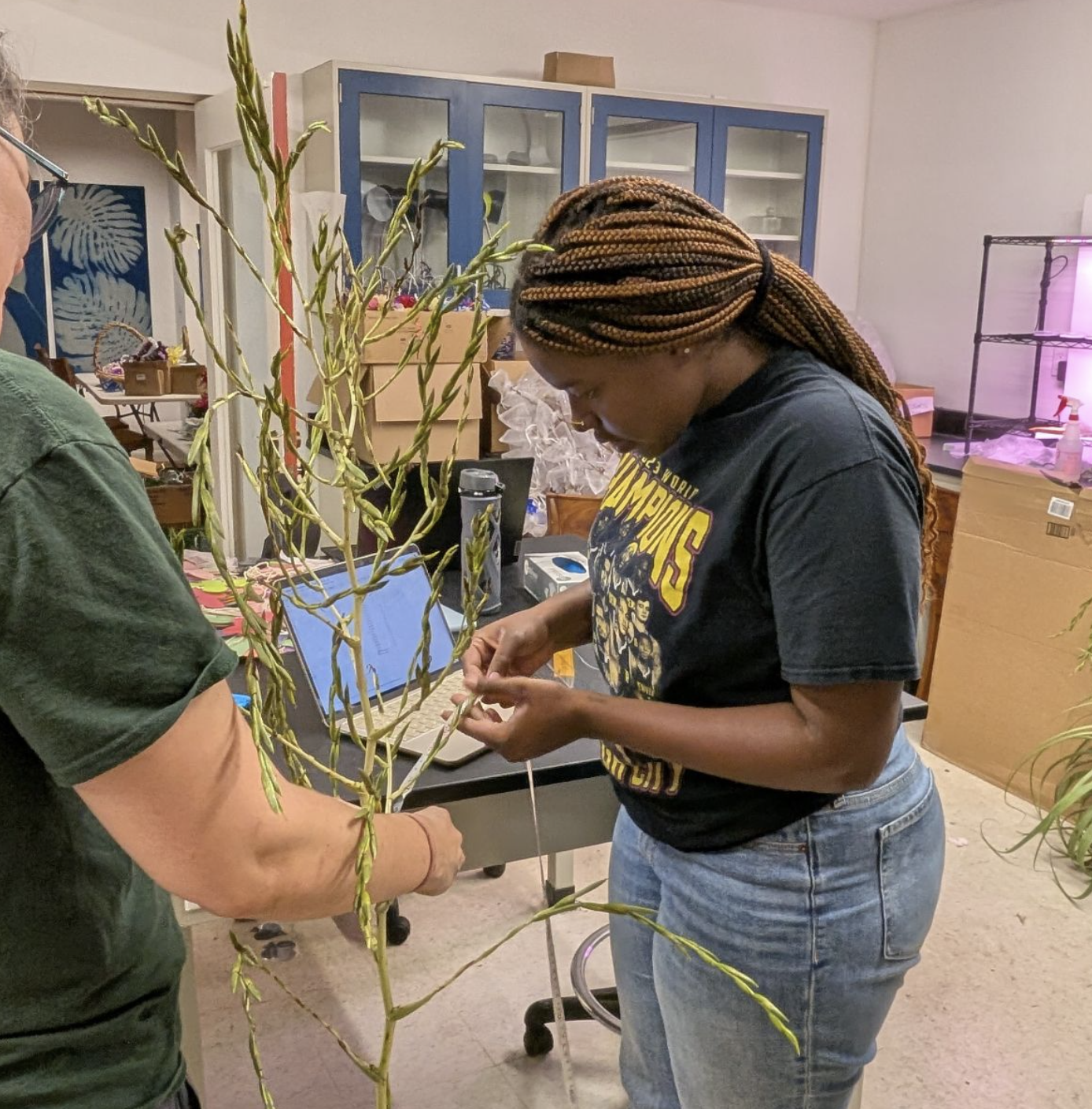
The Kampong: a hub for education
The Kampong significantly expanded its educational reach and deepened its community impact, cultivating plant awareness and environmental stewardship across diverse age groups and backgrounds. Serving as a living classroom, the garden successfully welcomed nearly 600 K-12 students and their teachers for immersive, hands-on learning experiences including internships, guided school programs and teacher professional learning opportunities.
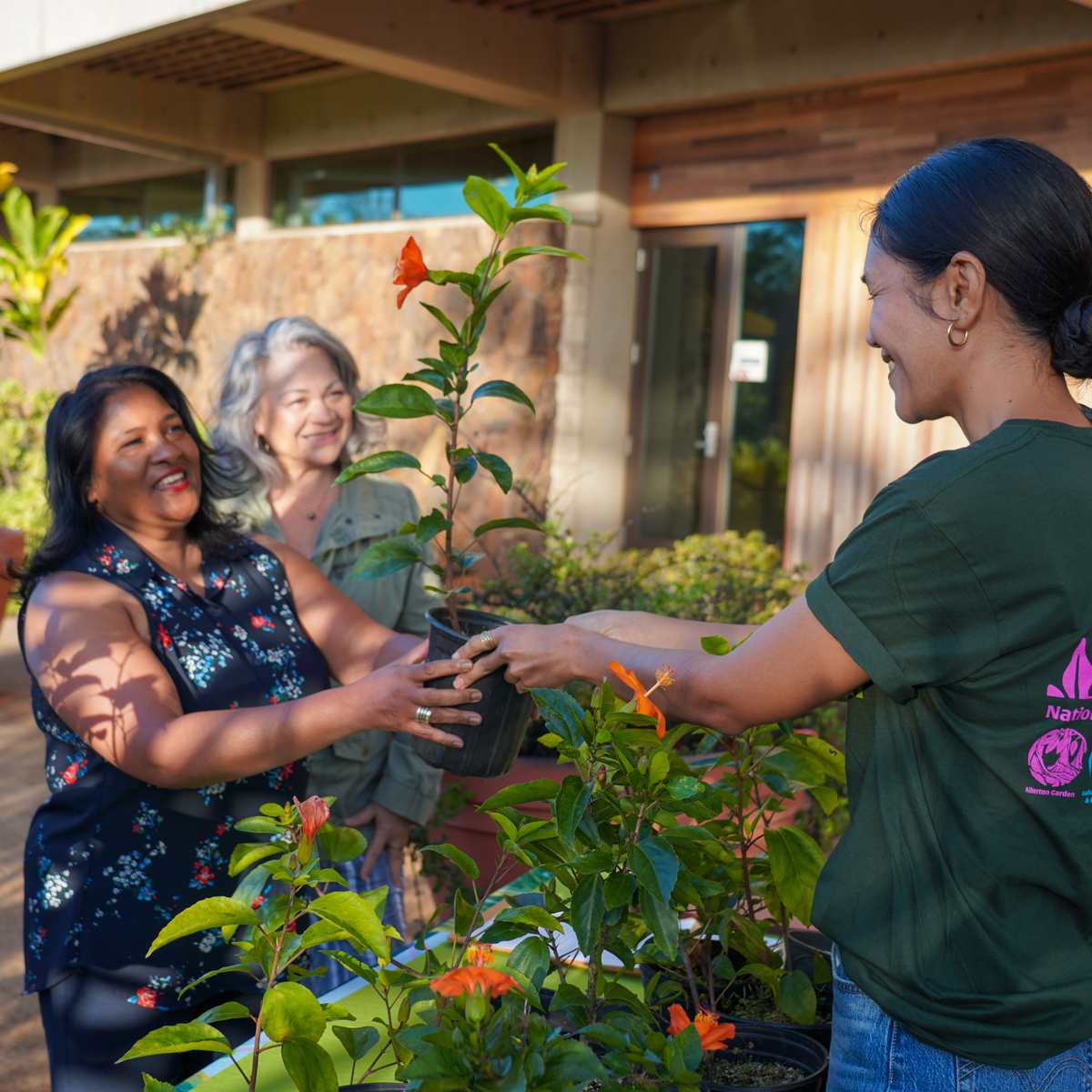
Grow Aloha surpasses 7,500 adopted plants
NTBG and our network of partners across Hawaiʻi have distributed over 7,500 free native plants and Hawaiian heritage crops through the Grow Aloha program. Partners including Bishop Museum, Molokaʻi Land Trust, Maui Nui Botanical Gardens, and Amy Greenwell Ethnobotanical Garden have been hosting monthly adoptions to place culturally and ecological vital plants directly into community hands.
“Each month I look forward to the Grow Aloha adoption and remind my friends about it! Since putting the plants in the ground on our property that I received from the Grow Aloha program, and as they’ve grown in size, I have seen a huge increase in pollinators around our yard. It’s wonderful to see!”
— Grow Aloha plant adopter
1,300+
students from Pre-K through 12th grade welcomed into McBryde Garden through the ʻIke Māla program
1,000+
active learners served by Limahuli’s diverse place-based educational and biocultural programs
2,527
people attended our lifelong learning programs at The Kampong, including lecture series, field trips, and special events
90K+
visitors across all NTBG gardens
A financial foundation for a flourishing future
Our financial health must be as strong and resilient as the plants we care for to ensure NTBG thrives into the future.
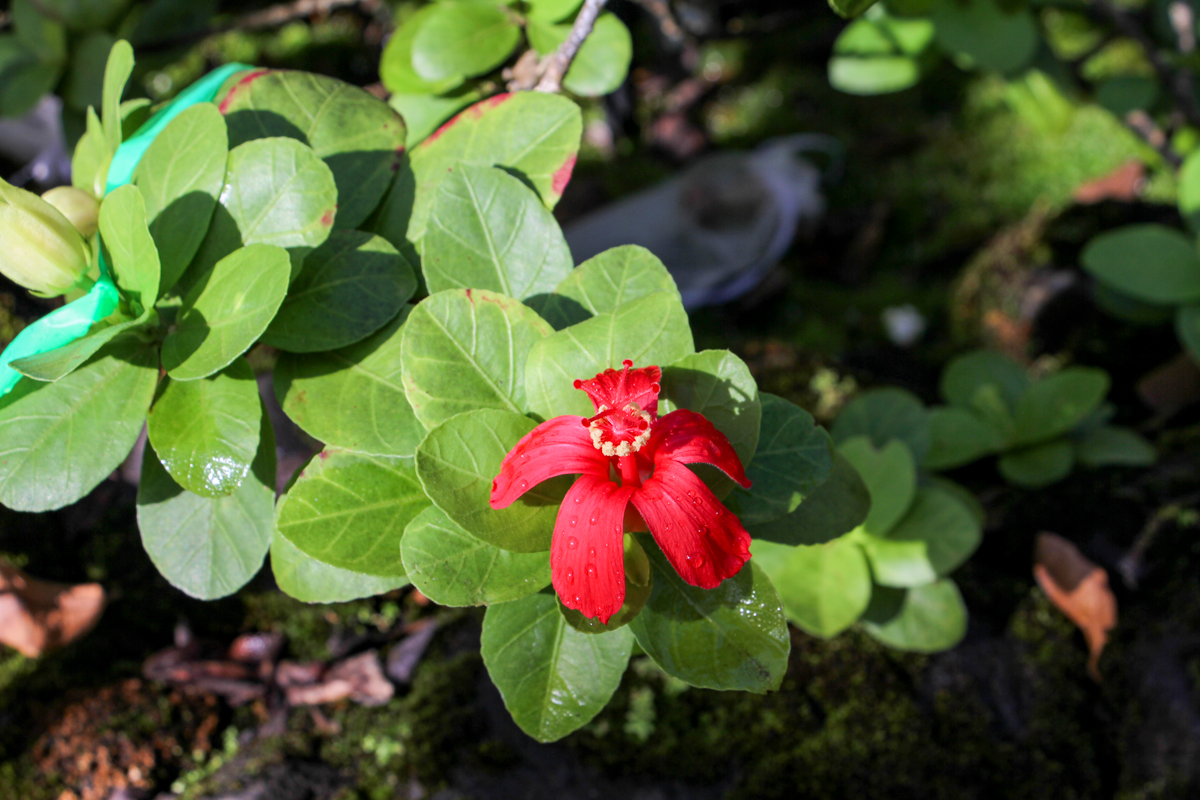
Sustaining Our Future: A Historic $16 Million Gift
NTBG’s financial foundation has been transformed by an extraordinary $16 million bequest from the estate of longtime trustee and philanthropist Judy C. Webb, marking the single largest gift in the organization’s history. Fully directed to the endowment, this monumental contribution honors a multigenerational family legacy of leadership and deep confidence in NTBG’s vision. By strengthening this long-term investment, the historic gift provides a steady, enduring current of operational support that allows the organization to weather economic uncertainties and confidently expand its global conservation mission for decades to come.
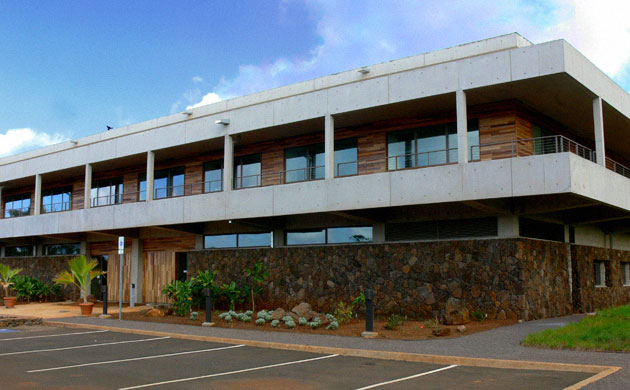
Raising the Roof for Conservation
Through the incredible generosity of our supporters, we successfully raised the funds required to repair and preserve two of our most historically and scientifically significant roofs: the Fairchild-Sweeney House at The Kampong and the Botanical Research Center (BRC). At the BRC—the epicenter of our scientific and conservation efforts—these funds launch the critical first phase of a multi-phase preservation initiative to re-seal the building and stabilize its climate control systems. This essential infrastructure upgrade directly safeguards the invaluable collections preserved within, including over 96,000 herbarium specimens, 17.5 million native seeds, and more than 20,000 rare archival library volumes that fuel tropical ecosystem research worldwide.
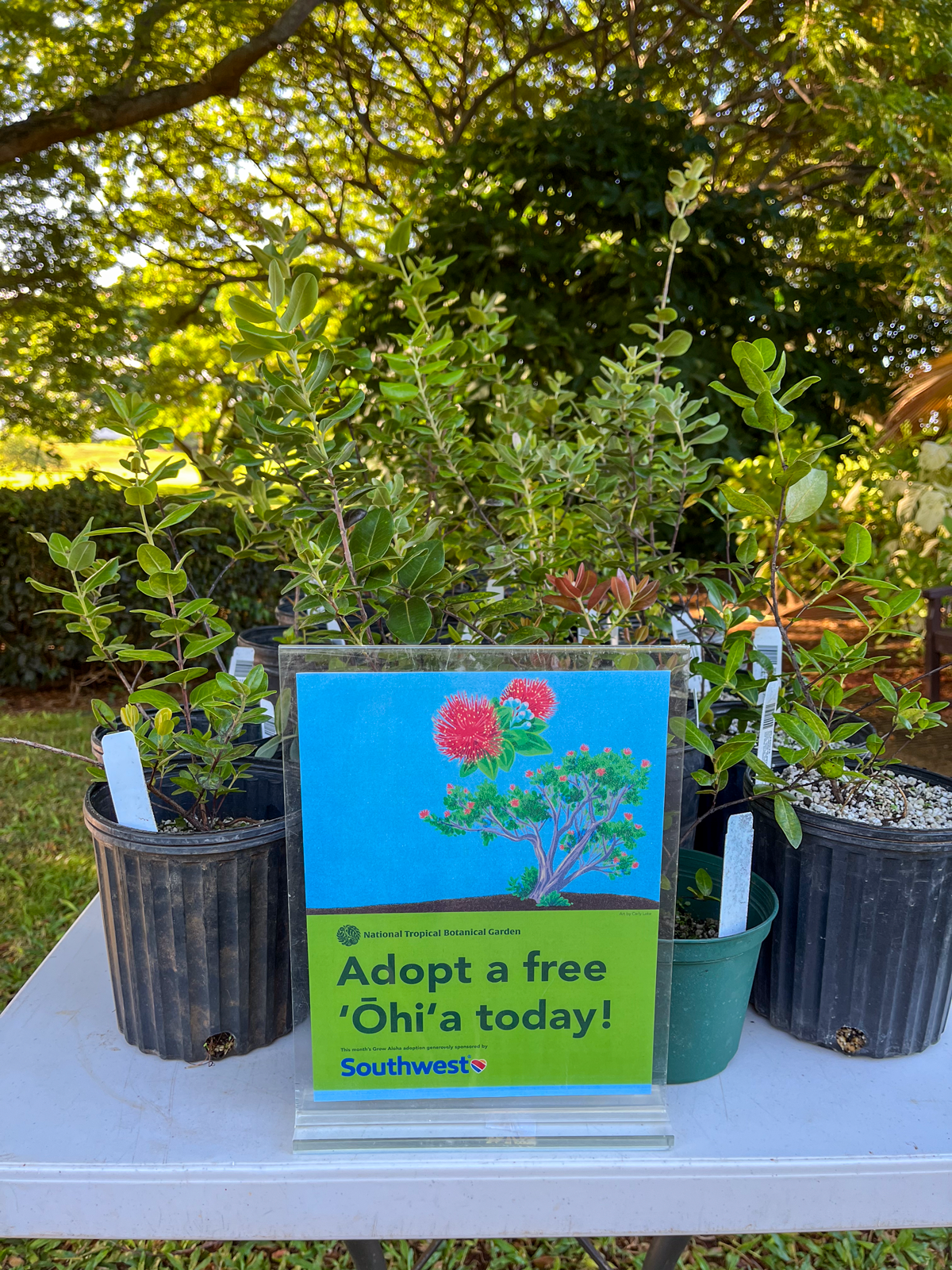
Partnerships that Power Change
We are deeply grateful for visionary corporate partnerships with LORE fragrances, Japan Airlines, and Southwest Airlines, which are driving meaningful impact across our gardens. A dedicated commitment from LORE fragrances supports critical species preservation at Limahuli Garden & Preserve while introducing a global audience to our biodiversity initiatives. Simultaneously, Japan Airlines’ innovative “Mahalo Fare” program has directly funded the cultivation of endangered plants, while Southwest Airlines’ sponsorship of the Grow Aloha program enabled the distribution of over 100 native ʻōhiʻa trees to the community.
Supporting our community starts at home, with our staff
An organization cannot thrive if the staff are not thriving. As we take steps in our journey for diversity, equity, inclusion, and justice, supporting our staff is foundational.
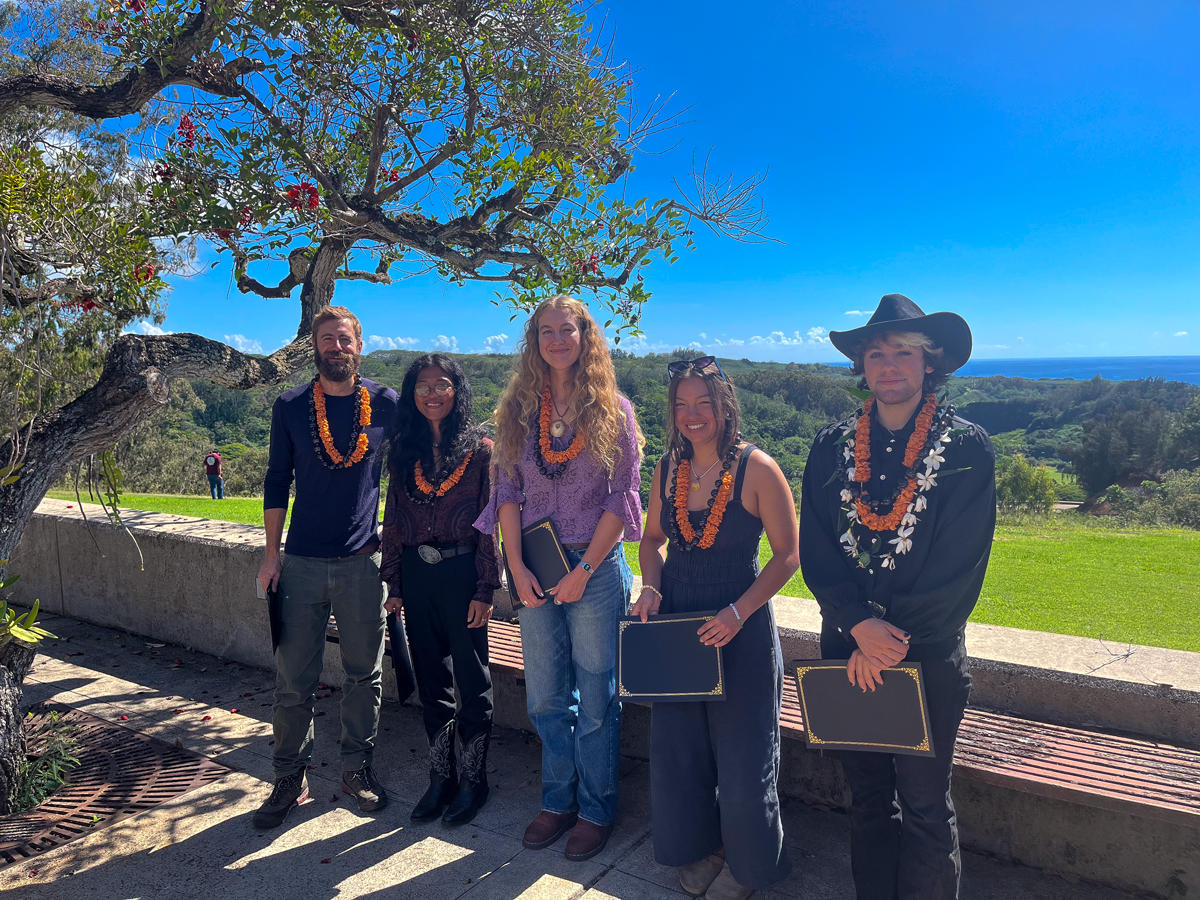
Cultivating the Next Generation
Our flagship Fall Internship program gave six emerging professionals a deep dive into public garden horticulture as they worked alongside experts across all of our Hawaiʻi gardens. This immersive experience continues to be a powerful pipeline for conservation talent, with many current staff members having started their own NTBG journeys as interns. In fact, following last year’s cohort, alumna Julia Dahl transitioned into a full-time role as our Integrated Pest Management technician in the Lāwaʻi Gardens!
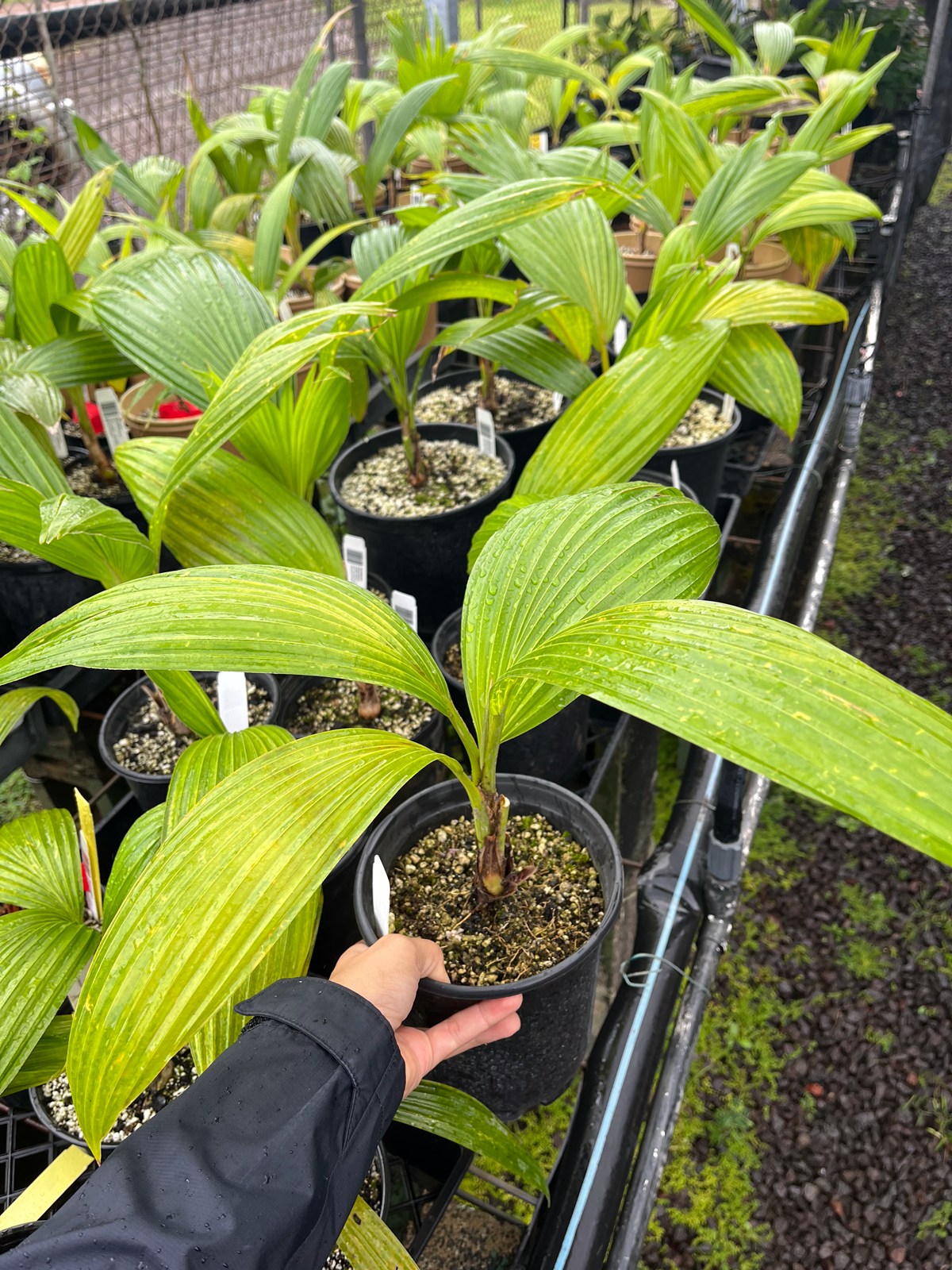
“First Dibs” for staff
To show appreciation for our staff, we launched “First Dibs Fridays” at Lāwaʻi Gardens in summer 2025, giving team members the opportunity to adopt a native plant or heritage crop before each monthly Grow Aloha plant adoption event. Held the Friday before public events, this initiative has allowed staff from Lāwaʻi Gardens and headquarters to bring plants home and cultivate their own gardens. Staff at Kahanu Garden and Limahuli Garden also have opportunities to adopt plants through their respective Grow Aloha events, extending their connection to Hawaiʻi’s plants and NTBG’s mission beyond the workplace.
355
volunteers across NTBG
13,619
total volunteer hours
15
interns hosted across gardens and departments
14
scientific papers published on topics from new species discoveries, cutting-edge conservation techniques, horticulture, and more
Your support helps grow a brighter tomorrow for generations of plants and people.